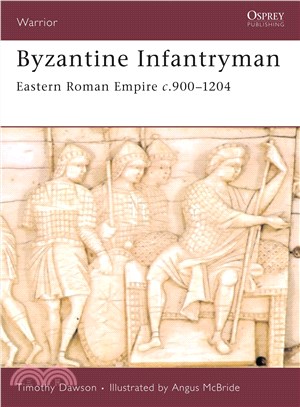
Osprey's survey of Byzantine infantrymen during the Middle Ages. Having been trained to operate in small, highly mobile eight-man units adept at living off the land whilst on campaign, the Byzantine i
Osprey's study of the Viet Cong fighters of the Vietnam War (1955-1975). An enemy in the shadows, the Viet Cong was the military arm of the National Liberation Front, the Communist Party of the Republ
The Huns were the most feared and notorious barbarians of the ancient world. The infamous Attila, king of the Huns, and his subjects were known to their Roman enemies as the 'scourge of god'. They wer
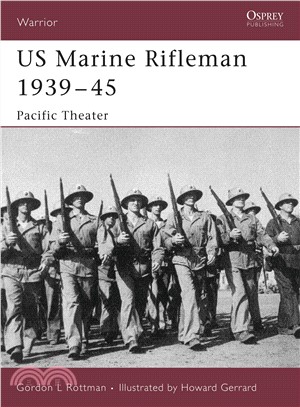
Osprey's study of United States Marine Corps riflemen during World War II (1939-1945). It is sometimes a basic assumption that a US Marine Corps rifleman was essentially trained, uniformed, equipped,
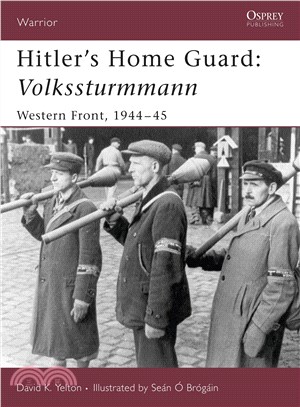
Osprey's study of Germany's Home Guard during the latter part of World War II (1939-1945). The creation of the German Home Guard or Volkssturm on 18 October 1944 was a desperate measure by the Nazi re
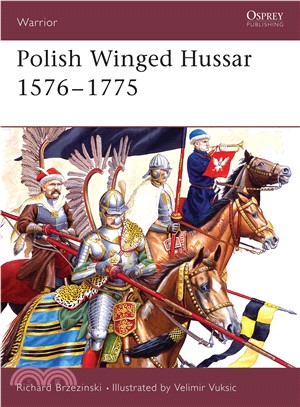
This book examines the origins and development of the Polish 'Winged' Hussars. Using many years' painstaking research drawn from unpublished Polish sources, the author provides a rounded view of the
Osprey's study of the knight during the Tudor period (1485-1603). The Tudor knight was the first line of defence employed by monarchs from Henry VIII to Elizabeth I, the last of a long tradition of kn
Several thousand Native Americans fought on both sides during the American Civil War (1861-1865). They came from various tribes in the Indian Territory of present-day eastern Oklahoma. They were orga
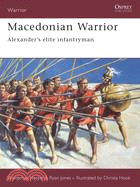
During the reigns of Philip II and Alexander the Great, the Macedonian Army (the phalangites) were reformed and drilled into an invincible fighting force with unique tactics and weaponry. The Macedoni
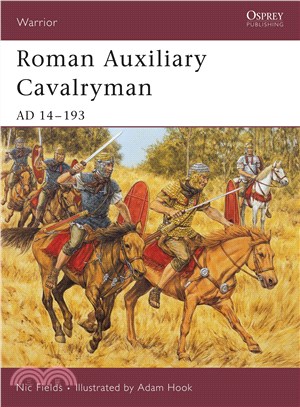
Drawn from a wide range of warlike peoples throughout the provinces, especially on the fringes of the empire, auxiliaries were generally not citizens of the Roman empire. The cavalry of the auxilia pr
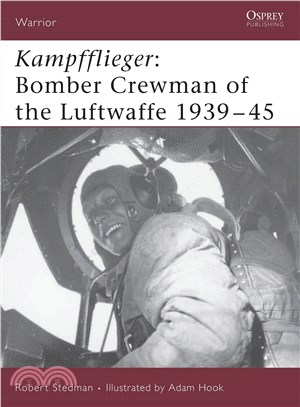
The Kampfflieger are relatively unknown within aviation circles, although many of them had careers as distinguished as those of their fighter-pilot counterparts. The men of the bomber crews did not en
Drawing on many contemporary sources and eyewitness accounts, this book examines the lives of the ordinary sailors of the Royal Navy during the French Revolutionary and Napoleonic Wars (1793-1815), de
This book examines in detail the Japanese Infantryman who was, despite comparisons with the notorious German Waffen SS of World War II (1939-1945), an enigma to Westerners. Brutal in its treatment of
This third volume of a successful mini-series examines the German Infantryman in the latter part of World War II. Despite being constantly in retreat, often short of equipment, sometimes hungry, cold
This book gives a detailed and authentic account of the life and experiences of French warship crews from the French Revolutionary Wars (1792-1802) up to Trafalgar. It describes the recruitment and co
Dedicated to the life of the average US soldier during World War I, this book follows the doughboy during the course of the war: from conscription, arrival at a training facility, transportation to Eu
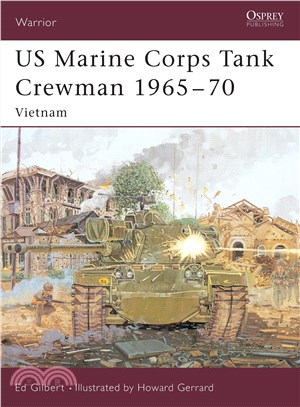
By 1960, following Korea, tanks and their crews had proved themselves to be a fundamental part of the Marine Corps' combined arms team. When the Marines were ordered to Vietnam in 1965, they took thei
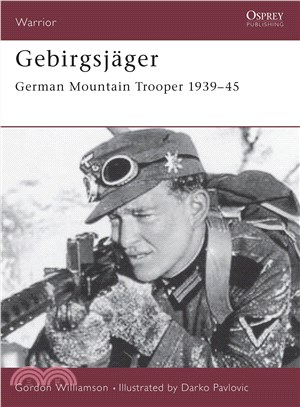
Few branches of the German armed forces were represented on so many fronts as the mountain infantrymen, or Gebirgstruppen. From the Blitzkrieg campaigns of 1940, through the invasions of the Balkans a
From the 10th to the mid-17th century, religious organisations played an important part in the social, political and military life in Japan. Known as sohei ('monk warriors') or yamabushi ('mountain wa
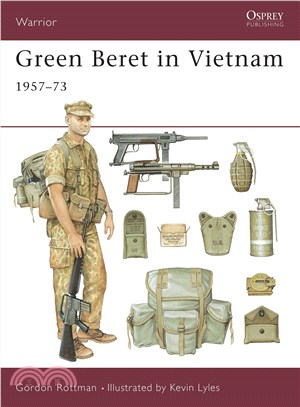
Vietnam was the US Special Forces' most complex and controversial mission, one that began in 1957 and ended in 1973. Camp strike forces, mobile strike forces, mobile guerrilla forces, special reconnai
The Landsknecht (meaning 'servant of the country') flourished during a key period for military organisation and practice. In the late 15th century, the Holy Roman Emperor, Maximilian I, recruited thou
First mentioned by name in AD 297, the Picts inhabited Northern Britain from the end of the 3rd century AD to the 9th. They rose to power in the devastation following Emperor Septimus Severus's repres
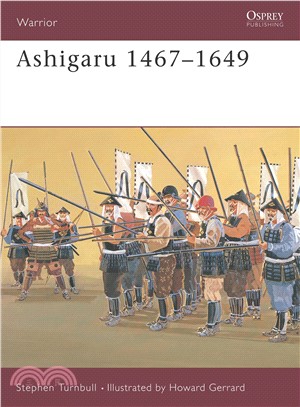
The ashigaru were the foot soldiers of old Japan. Although recruited first to swell an army's numbers and paid only by loot, the samurai began to realise their worth, particularly with arquebuses and
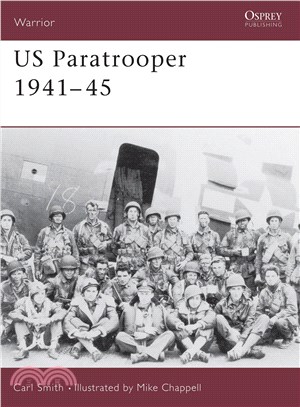
In Sicily, Normandy, and in the frozen hills of the Ardennes, America's airborne warriors proved themselves some of the toughest and most determined soldiers of World War II (1939-1945). What made the
Napoleon's Imperial Guard was one of the most famous military formations in history. The Imperial Guard could perform ceremonial duties as well as any, but it was primarily as an elite combat formatio
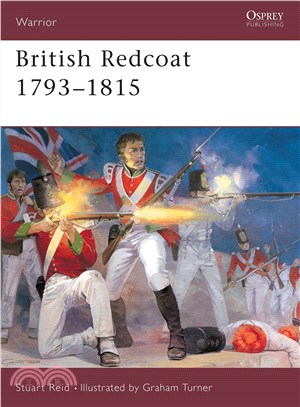
In 1783 the British army struggled home from North America in a shattered condition. It had acquitted itself well, but its regiments were now woefully understrength, and it was not until 1789 that the
This volume provides an in-depth look at the experience of the ordinary US marine 'grunt' in Vietnam. Organisation of the corps, weaponry, equipment, uniforms, training and medical arrangements are al
The bombardment by Confederate artillery of Fort Sumter on 12 April 1861 was the spark that finally ignited the American Civil War (1861-1865), quickly bringing thousands of eager volunteers for the U
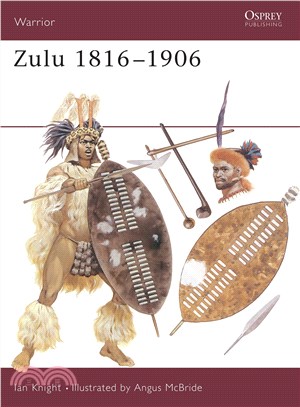
Zulu military organisation was extremely sophisticated. Warriors were organised into regiments with some form of basic uniform and shields were state-manufactured and owned. Yet, in spite of this soph
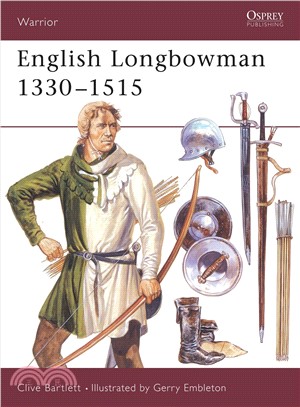
The English military ascendancy which lasted from the mid-14th to the early 16th century was founded upon defensive tactics based on the use of the longbow. This weapon, distinctive in that it was use
In the Middle East, not only were the 12th and 13th centuries punctuated by European Crusades but, even more significantly, the mid-11th century saw the invasion of the Saljuq Turks and the mid-13th c
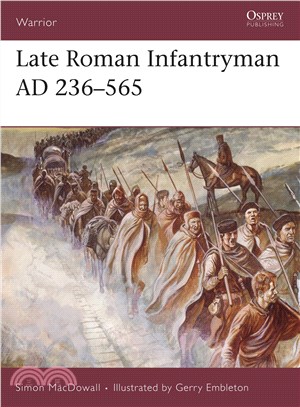
Between the 3rd and 6th centuries AD the traditional legions of heavy infantry were whittled away and eventually replaced by a force of various arms and nationalities dominated by cavalry and supporte
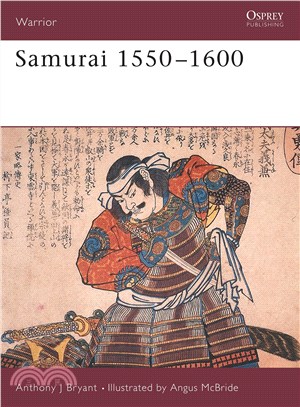
This title details the culture, weapons, armour and training of the elite samurai warrior class in the fascinating Age of Battles period (1550-1600). This was a period of vital importance not only bec
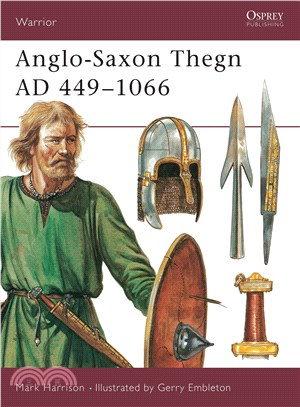
The collapse of Roman rule in Britain was not so much a sudden catastrophe as a long and drawn-out decline. The 'Celtic' Britons retreated gradually to the highland areas of Wales, Cornwall and the so
When Norwegian Vikings first raided the European coast in the 8th century AD, their leaders were from the middle ranks of warriors known as hersirs. At this time the hersir was typically an independen
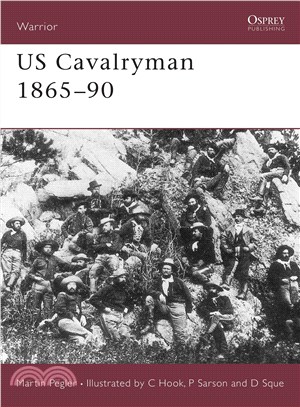
The period 1865-90 was one of unparalleled change in American frontier history. This span of 25 years witnessed the end of the traditional nomadic lifestyle of the plains Indians, the colonisation of
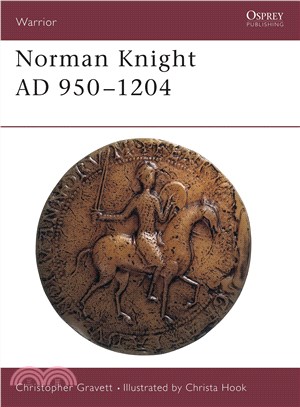
Throughout the 11th and 12th centuries the Norman knight was possibly the most feared warrior in Western Europe. He was descended originally from the Vikings who had settled in Northern France under t