A theoretical account of moral revolutions, illustrated by historical cases that include the criminalization and decriminalization of abortion and the patient rebellion against medical paternalism.
An examination of the ethical issues raised by the possibility of human life extension, including its desirability, unequal access, and the threat of overpopulation.Life extension—slowing or halting h
How developing a more expansive, non-formal conception of reason produces richer ethical understandings of human situations, explored and illustrated with many real examples.In Re-Reasoning Ethics, B
An argument that more people should have children with Down syndrome, written from a pro-choice, disability-positive perspective.The rate at which parents choose to terminate a pregnancy when prenatal
How medical education and practice can move beyond a narrow focus on biological intervention to recognize the lived experiences of illness, suffering, and death.In Afflicted, Nicole Piemonte examines
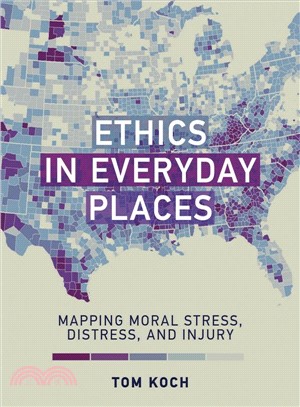
An exploration of moral stress, distress, and injuries inherent in modern society through the maps that pervade academic and public communications worlds.In Ethics in Everyday Places, ethicist and ge
Advances in medicine often depend on the effective collection, storage, research use, and sharing of human biological specimens and associated data. But what about the sources of such specimens? When
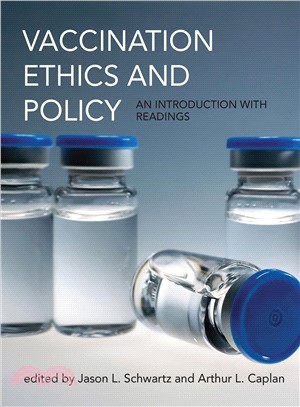
Vaccination has long been a familiar, highly effective form of medicine and a triumph of public health. Because vaccination is both an individual medical intervention and
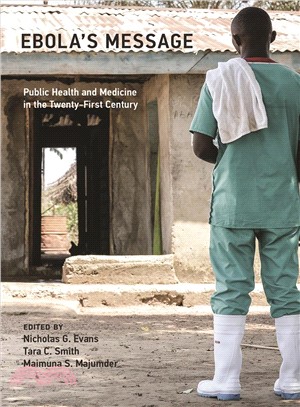
The 2013--2015 outbreak of the Ebola virus disease (EVD) was a public health disaster: 28,575 infections and 11,313 deaths (as of October 2015), devastating the countries
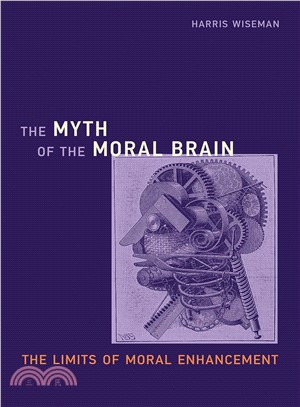
Throughout history, humanity has been seen as being in need of improvement, most pressingly in need of moral improvement. Today, in what has been called the beginnings of "the golden age of neuro
The United States has one of the highest rates of premature birth of any industrialized nation: 11.5%, nearly twice the rate of many European countries. In this book, John Lantos and Diane Lauderdale
Most of us are generally ill-equipped for dying. Today, we neither see death today nor prepare for it. But this has not always been the case. In the fourteenth century, the Roman Catholic Church publi
Medical and social progress depend on research with human subjects. When that research is done in institutions getting federal money, it is regulated (often minutely) by federally required and supervi
The current framework for the regulation of human subjects research emerged largelyin reaction to the horrors of Nazi human experimentation, revealed at the Nuremburg trials, and theTuskegee syphilis
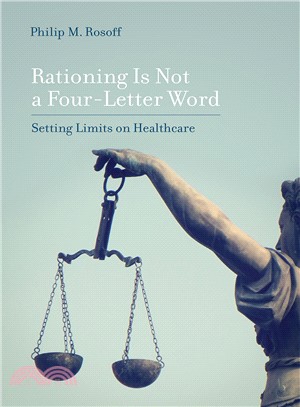
Most people would agree that the healthcare system in the United States is a mess.Healthcare accounts for a larger percentage of gross domestic product in the United States than inany other industrial
In May 2013, after months of controversy, France legalized same-sex marriage andadoption by homosexual couples. Obstacles to adoption and parenting equality remain, however -- manyof them in the form
The transformative potential of genetic and cybernetic technologies to enhance humancapabilities is most often either rejected on moral and prudential grounds or hailed as the futuresalvation of human
Emerging biotechnologies that manipulate human genetic material have drawn a chorusof objections from politicians, pundits, and scholars. In Humanity Enhanced,Russell Blackford eschews the heated rhet
Federal regulations that govern research misconduct in biomedicine have not been ableto prevent an ongoing series of high-profile cases of fabricating, falsifying, or plagiarizingscientific research.
This book discusses some of the most critical ethical issues in mental health caretoday, including the moral dimensions of addiction, patient autonomy and compulsory treatment,privacy and confidential
Synthetic biology, which aims to design and build organisms that serve human needs,has potential applications that range from producing biofuels to programming human behavior. Theemergence of this new
New findings in neuroscience have given us unprecedented knowledge about the workingsof the brain. Innovative research -- much of it based on neuroimaging results -- suggests not onlytreatments for ne
Daniel Callahan helped invent the field of bioethics more than forty years ago whenhe decided to use his training in philosophy to grapple with ethical problems in biology andmedicine. Disenchanted wi
Parents routinely turn to prenatal testing to screen for genetic or chromosomaldisorders or to learn their child's sex. What if they could use similar prenatal interventions tolearn (or change) their
"Human dignity" has been enshrined in international agreements and nationalconstitutions as a fundamental human right. The World Medical Association calls on physicians torespect human dignity and to
Bioethics emerged in the 1960s from a conviction that physicians and researchersneeded the guidance of philosophers in handling the issues raised by technological advances inmedicine. It blossomed as
In contemporary Western society, people are more often called upon to justify thechoice not to have children than they are to supply reasons for having them. In this book, ChristineOverall maintains t
Today the measurable health burden of neurological and mental health disorders matches or even surpasses any other cluster of health conditions. At the same time, the clinical applications of recent
We are approaching the day when advances in biotechnology will allow parents to "design" a baby with the traits they want. The continuing debate over the possibilities of genetic engineerin
Governments, health professionals, patients, research institutions, and research subjects look to bioethicists for guidance in making important decisions about medical treatment and research. And yet
A legal and moral analysis of medical decision making on behalf of those with suchsevere cognitive impairments that they cannot exercise self-determination.