Describes how wireless communication technology works; discusses WLANs, hotspots, and network security; and explains how WiFi is used today in doing business, watching television, and online gaming.
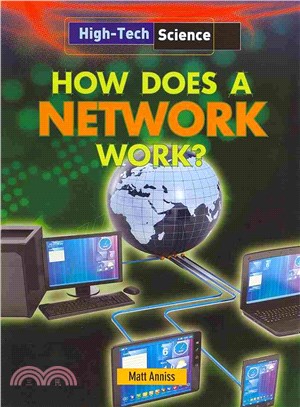
Explains what computer networks do and how they work, discussing such topics as LANs, clients and hosts, servers, hubs and routers, protocols, and peer-to-peer networks.
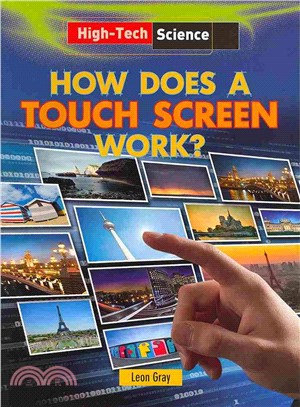
Discusses the history and evolution of touch screens and describes how they work, where they are used today, and possible future developments in the field.
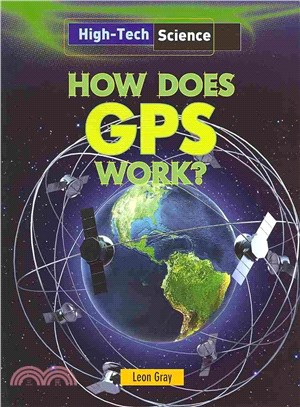
Explores the history and development of the Global Positioning System, and discusses how it is used today to help catch criminals, predict natural disasters, and measure the impact of human activities