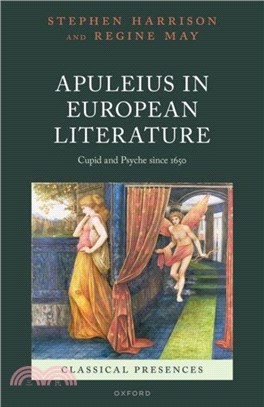
This incisive entry in the Classical Presences series explores the afterlife and influence of Apuleius' tale of Cupid and Psyche in European literature and art from 1650 to the present.
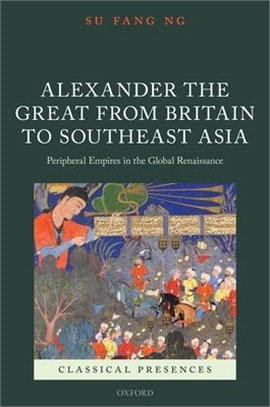
No figure has had a more global impact than Alexander the Great, whose legends have encircled the globe and been translated into a dizzying multitude of languages, from Indo-European and Semitic to Tu
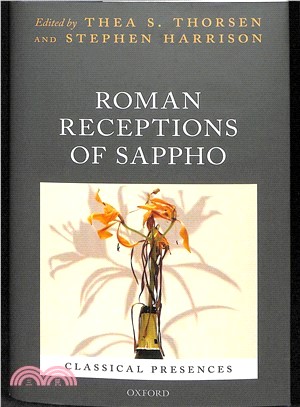
Sappho, a towering figure in Western culture, is an exemplary case in the history of classical receptions. There are three prominent reasons for this. Firstly, Sappho is associated with some of the ea

Masculinity and Ancient Rome in the Victorian Cultural Imagination examines Victorian receptions of ancient Rome, with a specific focus on how those receptions were deployed to create useable models o

This unique volume summarizes and reflects the work of a leading voice in the history of Classics in Britain, bringing together both previously published articles, now newly revised, and never before
How does a theatrical tradition emerge in the fields of dramatic writing and artistic performance? How can a culture in which theatre played no part in the past create a theatrical tradition in the mo
This is the first volume to offer a critical overview of the long and complicated history of translations of Virgil from the early modern period to the present day, transcending traditional studies of
The Classics were core to the curriculum and ethos of the intensely homosocial Victorian and Edwardian public schools, yet ancient homosexuality and erotic pedagogy were problematic to the educational
In its long history of performance and reception, Greek drama has been interpreted and adapted in ever-changing ways to share in the preoccupations and tensions of particular historical moments. Diver
This innovative study analyses the presence of Ovid in contemporary women's writing through a series of insightful case studies of prominent female authors, from Ali Smith, Marina Warner, and Marie Da
In recent years, the discipline of Classics has been experiencing a profound transformation affecting not only its methodologies and hermeneutic practices - how classicists read and interpret ancient
The dissemination of classical material to children has long been a major form of popularization with far-reaching effects, although until very recently it has received almost no attention within the
Greco-Roman mythology and its reception are at the heart of the European Renaissance, and mythographies-texts that collected and explained ancient myths-were considered indispensable companions to any