Preaching Apocrypha in Anglo-Saxon England is the first in-depth study of Christian apocrypha focusing specifically on the use of extra-biblical narratives in Old English sermons. The work contributes
As challenging as it is to imagine how an educated cleric or wealthy lay person in the early Middle Ages would have understood a letter (especially one from God), it is even harder to understand why l
While prayer is generally understood as "communion with God" modern forms of spirituality prefer "communion" that is non-petitionary and wordless. This preference has unduly influenced modern scholars
Childhood and Adolescence in Anglo-Saxon Literary Culture counters the generally received wisdom that early medieval childhood and adolescence were an unremittingly bleak experience. The contributors
The Tower of Babel narrative is one of the most memorable accounts of the Bible, and its interpretative potential has produced a vast array of literary adaptations.Undoing Babel is the first extensive
Biblical poetry, written between the fourth and eleventh centuries, is an eclectic body of literature that disseminated popular knowledge of the Bible across Europe. Composed mainly in Latin and subse
In England in Europe, Elizabeth Tyler focuses on two histories: the Encomium Emmae Reginae, written for Emma the wife of the Æthelred II and Cnut, and The Life of King Edward, written for Edith the wi
We tend to think of early medieval people as unsophisticated about geography because their understandings of space and place often differed from ours, yet theirs were no less complex. Anglo-Saxons con
References to weaving and binding are ubiquitous in Anglo-Saxon literature. Several hundred instances of such imagery occur in the poetic corpus, invoked in connection with objects, people, elemental
Why is Old English poetry so preoccupied with mental actions and perspectives, giving readers access to minds of antagonists as freely as to those of protagonists? Why are characters sometimes called
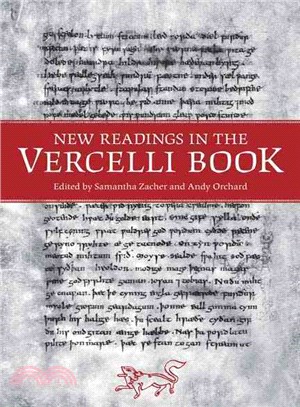
New Readings in the Vercelli Book addresses central questions concerning the manuscript's intended use, mode of compilation, and purpose, and offers a variety of approaches on such topics as orthograp
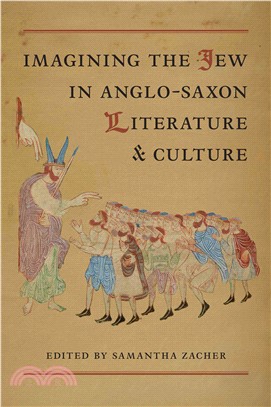
Most studies of Jews in medieval England begin with the year 1066, when Jews first arrived on English soil. Yet the absence of Jews in England before the conquest did not prevent early English authors
For the Anglo-Saxons, Latin was a language of choice that revealed a multitude of beliefs and desires about themselves as subjects, believers, scholars, and artists. In this groundbreaking collection,
The first comprehensive study of the use of compound words in Old English poetry, homilies, and philosophy,Joinings explores the effect of compounds on style, pace, clarity, and genre in Anglo-Saxon v
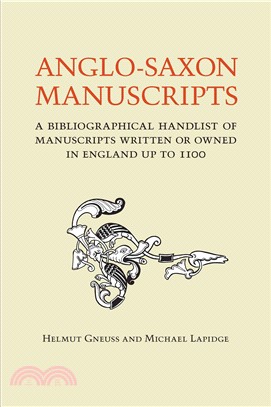
Anglo-Saxon Manuscripts is the first publication to list every surviving manuscript or manuscript fragment written in Anglo-Saxon England between the seventh and the eleventh centuries or imported int
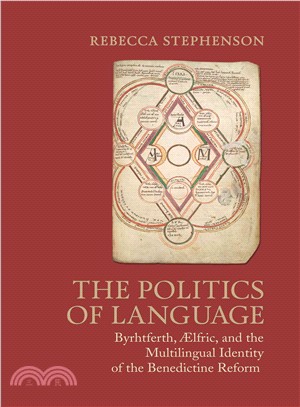
Old English literature thrived in late tenth-century England. Its success was the result of a concerted effort by the leaders of the Benedictine Reform movement to encourage both widespread literacy a
The King’s Body investigates the role of royal bodies, funerals, and graves in English succession debates from the death of Alfred the Great in 899 through the Norman Conquest in 1066. Using contempor
Narratives of monastic life in Anglo-Saxon England depict individuals as responsible agents in the assumption and performance of religious identities. To modern eyes, however, many of the ‘choices’ th
Old English Metre offers an essential framework for the critical analysis of metrical structures and interpretations in Old English literature. Jun Terasawa's comprehensive introductory text covers th