




滿額折
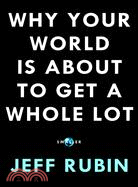
Why Your World Is About to Get a Whole Lot Smaller
商品資訊
ISBN13:9780307357519
出版社:Random House of Canada Ltd
作者:Jeff Rubin
出版日:2009/05/29
裝訂:精裝
商品簡介
作者簡介
商品簡介
What do subprime mortgages, Atlantic salmon dinners, SUVs and globalization have in common?
They all depend on cheap oil. And in a world of dwindling oil supplies and steadily mounting demand around the world, there is no such thing as cheap oil. Oil might be less expensive in the middle of a recession, but it will never be cheap again.
Take away cheap oil, and the global economy is getting the shock of its life.
From the ageing oilfields of Saudi Arabia and the United States to the Canadian tar sands, from the shopping malls of Dubai to the shuttered auto plants of North America and Europe, from the made-in-China products on the shelves of the Wal-Mart down the road to the collapse of Wall Street giants, everything is connected to the price of oil
Interest rates, carbon trading, inflation, farmers’ markets and the wave of trade protectionism washing up all over the world in the wake of various economic stimulus and bailout packages – they all hinge on the new realities of a world where demand for oil eventually outstrips supply.
According to maverick economist Jeff Rubin, there will be no energy bailout. The global economy has suffered oil crises in the past, but this time around the rules have changed. And that means the future is not going to be a continuation of the past. For generations we have built wealth by burning more and more oil. Our cars, our homes, our whole world has been getting bigger in the cheap-oil era. Now it is about to get smaller.
There will be winners as well as losers as the age of globalization comes to an end. The auto industry will never recover from this oil-induced recession, but other manufacturers will be opening up mothballed factories. Distance will soon cost money, and so will burning carbon – both will bring long-lost jobs back home. We may not see the kind of economic growth that globalization has brought, but local economies will be revitalized, as will our cities and neighborhoods.
Whether we like it or not, our world is about to get a whole lot smaller.
They all depend on cheap oil. And in a world of dwindling oil supplies and steadily mounting demand around the world, there is no such thing as cheap oil. Oil might be less expensive in the middle of a recession, but it will never be cheap again.
Take away cheap oil, and the global economy is getting the shock of its life.
From the ageing oilfields of Saudi Arabia and the United States to the Canadian tar sands, from the shopping malls of Dubai to the shuttered auto plants of North America and Europe, from the made-in-China products on the shelves of the Wal-Mart down the road to the collapse of Wall Street giants, everything is connected to the price of oil
Interest rates, carbon trading, inflation, farmers’ markets and the wave of trade protectionism washing up all over the world in the wake of various economic stimulus and bailout packages – they all hinge on the new realities of a world where demand for oil eventually outstrips supply.
According to maverick economist Jeff Rubin, there will be no energy bailout. The global economy has suffered oil crises in the past, but this time around the rules have changed. And that means the future is not going to be a continuation of the past. For generations we have built wealth by burning more and more oil. Our cars, our homes, our whole world has been getting bigger in the cheap-oil era. Now it is about to get smaller.
There will be winners as well as losers as the age of globalization comes to an end. The auto industry will never recover from this oil-induced recession, but other manufacturers will be opening up mothballed factories. Distance will soon cost money, and so will burning carbon – both will bring long-lost jobs back home. We may not see the kind of economic growth that globalization has brought, but local economies will be revitalized, as will our cities and neighborhoods.
Whether we like it or not, our world is about to get a whole lot smaller.
作者簡介
Jeff Rubin was the Chief Economist and Chief Strategist at CIBC World Markets where he worked for over 20 years. He was one of the first economists to accurately predict soaring oil prices back in 2000 and is now one of the world's most sought-after energy experts. He lives in Toronto.








購物須知
外文書商品之書封,為出版社提供之樣本。實際出貨商品,以出版社所提供之現有版本為主。部份書籍,因出版社供應狀況特殊,匯率將依實際狀況做調整。
無庫存之商品,在您完成訂單程序之後,將以空運的方式為你下單調貨。為了縮短等待的時間,建議您將外文書與其他商品分開下單,以獲得最快的取貨速度,平均調貨時間為1~2個月。
為了保護您的權益,「三民網路書店」提供會員七日商品鑑賞期(收到商品為起始日)。
若要辦理退貨,請在商品鑑賞期內寄回,且商品必須是全新狀態與完整包裝(商品、附件、發票、隨貨贈品等)否則恕不接受退貨。