商品簡介
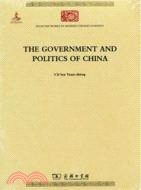
本書是作者于1947年在哈佛大學講授“中國的政府與政治”之後在其講義的基礎上形成並出版的一部學術著作,除前幾章簡要說明中國古代政治體制、傳統政治思想之外,絕大部分內容是關於1911年至1947年之間中國政府的變遷、組成和功能,以及國民黨政治思想、政治組織的概況,尤其是寧漢合流之後國民黨政府的權力分配、政府結構及其變化、政治環境以及各政黨的概況。其中還包括了對辛亥革命、國共合作等重大事實、事件的描述和分析,以及對孫中山、袁世凱等重要歷史人物的評價。
名人推薦
《中國的政府與政治》是中華現代學術名著叢書?英文版之一。
目次
CONTENTA
INTRODUCTION BY ARTHUR N. HOLCOMBE
Ⅰ. CHUNG-KUO
Ⅱ. the poliTICAL THOUGHT OF OLD CHINA
Ⅲ. the poliTICAL INSTITUTIONS OF OLD CHINA
IV. THE IMPACT OF THE WEST AND THE FALL OF THE MONARCHY
V. THE TRIALS AND FAILURES OF THE EARLY REPUBLIC
Ⅵ. THE RISE OF THE KUOMINTANG TO SUPREME POWER
Ⅶ. CHIANG KAI-SHEK'S RISE TO POWER WITHIN THE KUOMINTANG
Ⅷ. THE KUOMINTANG: ITS DOCTRINE, ORGANIZATION,AND LEADERSHIP
IX. THE KUOMINTANG TUTELAGE
X. THE NATIONAL GOVERNMENT AND ITS PRESIDENT
XI. THE EXECUTIVE YUAN
XII. THE MILITARY POWER
XIII. LEGISLATION AND THE LEGISLATIVE PROCESS
XIV. FINANCE AND THE BUDGET
XV. ADMINISTRATION AND ADMINISTRATIVE PROCESS
XVI. THE EXAMINATION YUAN AND THE CIVIL SERVICE
XVII. LAW AND THE ADMINISTRATION OF JUSTICE
XVIII. THE CONTROL POWER
XIX. THE PEOPLE'S POLITICAL COUNCIL
XX. WARTIME DEMANDS FOR CONSTITUTIONALISM
XXI. THE CONSTITUTION OF 1946
XXII. THE NEW GOVERNMENT OF 1948
XXIII. POLITICAL PARTIES
XXIV. PARTY POLITICS AND STRUGGLES
CONTENTS
XXV. THE OUTLOOK FOR A GOVERNMENT FOR THE PEOPLE AND BY THE PEOPLE NOTES
APPENDICES
BIBLIOGRAPHY A
BIBLIOGRAPHY B
TRANSLITERATIONS OF CHINESE WORDS
書摘/試閱
In China today,as has always been the case in the past, the vast majority of the people remain illiterate. Modern education during the last generation has reduced the illiteracy percentage, but still about 70 to 75 per cent of the people are not ableto read, to say nothing of writing.
The important fact that poverty is the prinapal source of illiteracy mustnot be lostFsight of. Western students of China are wont to attribute the overwhelming illiteracy to the intrinsic difficulties of learning the Chinese language. Whether the Chinese language is or is not difficult to learn, given the prevailing poverty as it has existed and still exists, illiteracy is inevitable.
The coincidence of wealth with education results in a striking fact. Therehas been and still is a premium on education. The small number of personsin the educated class are able to control both state and soaety. The educated class in recent times has been inseparable from government officialdom and landlords, and also from the leaders of business and the professions. Thericher class may not have anything in common among themselves, but with education as the common denominator, they are able to share the power. The fact that education has long been a key to power in China cannotbe over emphasized. Compared with other avenues to power, such as lay through the clergy and the nobility in the West before the dawn of the democratic era, education is the least objectionable. Indeed, it is the mostacceptable. Reliance on education as the qualification for high office doubt lessmad the political institutions of old China far more stable than those of the West. Never the less, so long as education is limited to the few, the Chinesestate controlled by the educated is not likely to be truly democratic. Chinawas an aristocracy of the literati before the Revolution of igii and theliterati have in general remained conservative despite the Revolution. The restriction of education to a few and the monopoly of power by theeducated also serve to explain why the radicalism of the student class andthe conservatism of the scholar in government go hand in hand.
Since the end of the Han (206 B.C-A.D 220), Chinese students have beenknown for their radicalism. With the establishment of the modern school system and the concentration of large numbers of students in the schools,especially the more mature ones in the universities, students have repeated lyacted as the spearhead of radicalism and patriotic movements. Because the ygener ally come from the better families, they are allowed a certain degree of freedom by the go yernment. But also, because they are young and notyet concerned with the maintenance of the status quo, they agitate for change.
But when the students reach the age of maturity and take up responsibilities of their own, they are usually assimilated by the ruling class and takeup the defense of the regime.