商品簡介
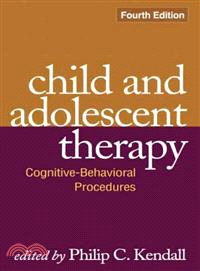
Kendall (psychology, Temple U.) shows psychologists, social workers, counselors, and psychiatrists, as well as advanced undergraduate and graduate students, how to implement cognitive-behavioral therapy with children and adolescents. Psychologists and psychiatrists mainly from the US detail the theory for working with youth from this perspective and the importance of collaboration, then evidence-based treatments for aggression, anger management, attention-deficit/hyperactivity disorder, anxiety, depression and suicidality, obsessive-compulsive disorders, eating disorders and obesity, and trauma, with discussion of procedures, the theory and research behind the processes, and outcomes. Special populations like children who have experienced disaster or have been victims of terrorism or sexual abuse are addressed, as are developmental guidance for working with adolescents, therapeutic processes within CBT, and the current state of evidence. This edition has new chapters on modular treatments, dialectical behavior therapy, and mindfulness-based interventions. Annotation c2012 Book News, Inc., Portland, OR (booknews.com)
作者簡介
Philip C. Kendall, PhD, ABPP, is the Laura H. Carnell Professor and a Distinguished University Professor of Psychology at Temple University, where he is also Director of the Child and Adolescent Anxiety Disorders Clinic. Dr. Kendall has been a researcher, scholar, and clinician for 35 years. His contributions include seminal work on the treatment of anxiety disorders in youth; cognitive-behavioral theory, assessment, and treatment; research methodology; and the conceptualization and understanding of the psychopathology and treatment of children and adolescents. With more than 450 research publications and books, Dr. Kendall has been a Fellow at the Center for Advanced Study in the Behavioral Sciences and has received numerous other awards, including the inaugural Research Recognition Award from the Anxiety Disorders Association of America and Distinguished Career Research Awards from the Society of Clinical Child and Adolescent Psychology (Division 53) and the Society of Clinical Psychology (Division 12) of the American Psychological Association.