商品簡介
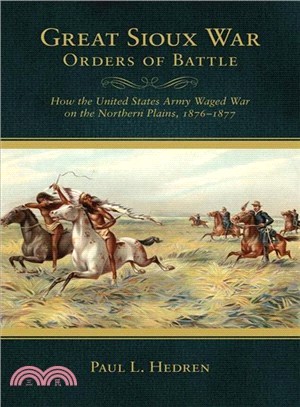
Hedren, a retired National Park Service superintendent and historian, traces the 28 deployments of the US Army during the Great Sioux War as the army fought the Lakota Sioux and Northern Cheyennes from 1876-1877. He documents the US Army's doctrine, training, culture, and equipment to contextualize the war, and how this army was better suited for Indian warfare than is conventionally thought. He explores the army's aptitude and preparedness for unconventional warfare and tactics suited for these conflicts and draws from Regimental Returns and Post Returns, as well as primary reports, diaries, narratives, and secondary sources, to analyze the organizations of Phil Sheridan, Alfred Terry, George Crook, Nelson Miles, Wesley Merritt, and Ranald Mackenzie. He considers the officer class as a whole and examines each of the deployments and their command structures, regiments, companies employed, officers and physicians, and the relationship to other actions, engagements, and consequences or outcomes. He follows with analysis of what went right and what went wrong. Coverage includes the war's opening movements at places like Fort Pease and Powder River, to Custer's battle at Little Big Horn, through the Little Missouri Expedition. Hedren omits discussion of non-deployments like Terry's peace mission to Fort Walsh, the botched arrest of Crazy Horse at Camp Robinson, and the surrender of Sitting Bull at Fort Buford. Annotation c2012 Book News, Inc., Portland, OR (booknews.com)