商品簡介
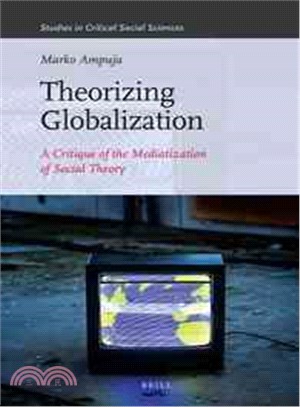
Arguing that the theories of Western globalization theorists that have emphasized the importance of changes in media and communications for global social and cultural life are more than just components of globalization theory but in fact form the very foundation upon which globalization theorists have built their entire edifice and the challenge to social theory that is based in the ambiguously-defined determinative nature of globalization towards a "cosmopolitan democracy" beyond the sovereignty of nation-states, Ampuja (social research, U. of Helsinki, Finland) begs to differ, contending that such grand pronouncements are undermined by a lack of historical reflection in globalization theory literature. Such historical reflection, he notes, reveals that the positivist teleology of globalization theory's contentions about media and communications have many earlier precedents in the claims of Western intellectuals in the late 19th and early 20th centuries about earlier global flows of communications (and transport and capital). It also fails to account for the ways in which structures of media and communications are implicated in the hierarchies and tensions of the international state system as well as the power of capital to determine the nature of media and communications. From this general perspective, he critiques the key works of four selected globalization theorists--Manuel Castells, Scott Lash, John Tomlinson, and Arjun Appadurai--in order to demonstrate the shortcomings of globalization theory in general and its treatment of the transformative nature of media and communications in particular. Annotation c2012 Book News, Inc., Portland, OR (booknews.com)
作者簡介
Marko Ampuja, Ph.D. (2010), University of Helsinki, is a lecturer in the Department of Social Research at that university.