商品簡介
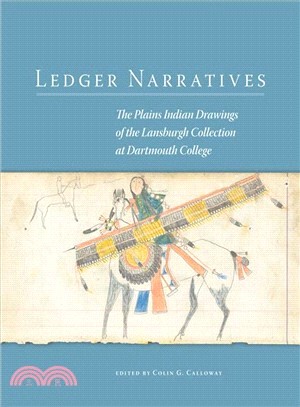
The Hood Museum of Art at Dartmouth College has acquired more than 140 works that form the largest known group of Native American ledger drawings. This book, edited by Colin G. Calloway (history, Native American studies, Dartmouth College), reproduces all of them. While some reproductions could be larger, the image and color quality here is very good. Ledger drawings were made on European record books by Plains peoples (here, Cheyenne, Arapaho, Sioux, Crow, and Kiowa) for personal use or sale in the period between trade contact and early reservation life. They document a rich mix of events remembered by people who had recently lost their freedom, visual encounters with (and critiques of) new subjects, and responses to the interests of white buyers. This book is volume eight in the U. of Oklahoma Press series New Directions in Native American Studies. In this case, the new direction is postmodern critical theory. The text introduces useful information, for instance noting the transition from societies where wealth and power for men depended on getting horses and war honors to reservation life, where wealth and power for men depended on making pictures of getting horses and war honors, for an audience of their captors. However, the ledger drawings themselves are given short shrift by many contributors' texts. Ledger artists carefully coded much information in the name glyphs, horse brands, choice of places and events, and details of flags and costume. We could learn much from knowledgeable guides to these details, and discussion of what perspectives the artists tried to share with their audience, where they used subversion or compromise, and what they knew they could hide in plain sight. But beneath strong words about capitalism and imperialism, the book's intellectual program tends to make French philosophers sound much more important than Indian artists. The work of a few contemporary artists using the ledger format is noted, however, the experience of ledger artist Chief Killer is looked at in depth, and one section describes a contributor's project sharing ledger drawings by incarcerated 19th century Indian men with incarcerated contemporary Indian men, and setting up a show of the participants' resulting new ledger art. Also available in hardcover. Oversize: 9X11". Annotation c2013 Book News, Inc., Portland, OR (booknews.com)