“Tackles the contours and intimacies of a much practiced but seldom spoken about quasi-marriage that leaves women without legal support. A much-needed text on an extremely sensitive topic. Majeed excavates this terrain with finesse and a deft scholarly hand.”—Aminah Beverly McCloud, coeditor of An Introduction to Islam in the 21st Century
“Majeed utilizes ethnographic research methods to imaginatively and constructively complexify the reality of polygyny in the lives of African American Muslim women.”—Linda Elaine Thomas, author ofUnder the Canopy: Ritual Process and Spiritual Resilience in South Africa
“Majeed's womanist approach is critical, yet balanced enough to include the concerns of women, men, and children, affording readers a broad and vital gaze into the lives of these unconventional households.”—Zain Abdullah, author ofBlack Mecca
“A powerful and long overdue study of polygyny in African American Muslim communities.”—Shabana Mir, author ofMuslim American Women on Campus: Undergraduate Social Life and Identity
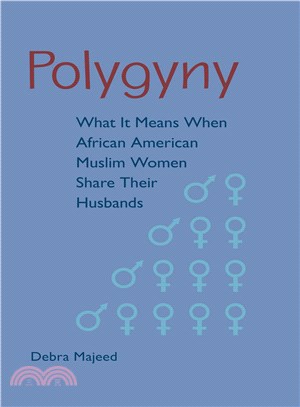
In this social history of African American Muslim polygyny, Debra Majeed sheds light on the struggles of families whose form and function conflict with U.S. civil law. While all forms of polygamy are banned in the United States, polygyny has steadily emerged as an alternative force to the low numbers of marriageable African American men and the high number of female-led households in black America.
Majeed situates African American Muslims in the center of this dialogue on polygyny, examining the choices available to women in these relationships and the scope of their rights. She calls attention to the efficacy of marital choice and the ways in which interpretations of Islam's primary sources are authorized or legitimated to control the rights of Muslim women. Exploring how women share motivation, rationales, and consequences of living in polygynous families, Majeed highlights the legal, emotional, and communal implications while encouraging Muslim communities to develop formal measures that ensure the welfare of women and children who are otherwise not recognized by the state.