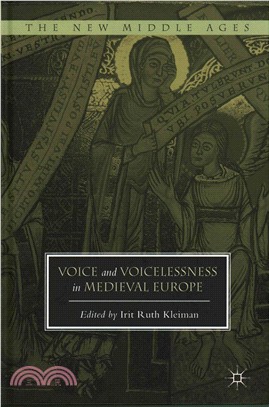
What does it mean to "possess a voice" - or to be without one? That is the question that twelve scholars of philosophy, literature, history, art history, musicology, religion, law, and classics answer in this book. For medieval thinkers, the categories of voice and voicelessness were deeply embedded in definitions of the human, the divine, and the bestial. In this interdisciplinary collection of far-reaching, yet closely intertwined essays, we encounter the voices of angels and of the Virgin Mary; answer riddles told by a talking bird; see the voice of God painted in the frescos of Renaissance Italy; and stammer songs too sad to sing. We ponder the "dead" voices of monks who have vowed silence; feel the visceral eruption of Christ's suffering; and suffer the riotous tickling and whooping demonic possession inflicts on its victims. Voice and Voicelessness in Medieval Europe forges connections between medieval voices and contemporary ones, and gives voice to a new generation of scholars.