商品簡介
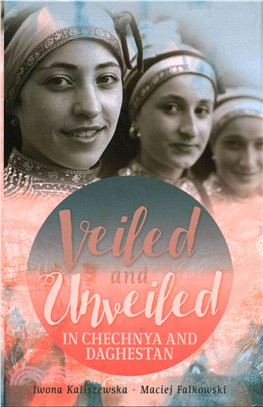
Offering the reader an unflinching portrait of Daghestan and Chechnya--primarily its segregated girls and women--this book presents the Caucasus through the eyes of a Polish woman who travelled there with her small child in the midst of a locally rooted but newly assertive Islamic revivalism. Shadowed by Russian secret police they, and later her husband, participate in Muslim rites in villages which penalize those caught smoking or drinking, even in their own homes; hang out with polygamous families; talk to activists whose stance on human rights or democracy has them on hit lists, and to young people about religion, polygamy, prostitution and sex. They also track down "Wahhabis" (known locally as "devils") who conceal their religious affiliations for fear of persecution. In Daghestan the authors encounter two Sufi religious leaders, both of whom were later murdered, and in Grozny activists who survived torture by betraying the innocent. They hang out with young women "encouraged" by the Chechen regime to 'conduct themselves morally' for the good of the nation; accompany girls on dates; and find out from 18-year-old divorcees why it's better to share a bed with another wife than have no husband at all.
作者簡介
Iwona Kaliszewska has been researching the North Caucasus since 2004. She teaches anthropology at the University of Warsaw. She is currently a visiting scholar at University of California, Berkelely at the Institute of Slavic, East European and Euroasian Studies. Maciej Falkowski is a political scientist and journalist based at the Centre for Eastern Studies in Warsaw.