商品簡介
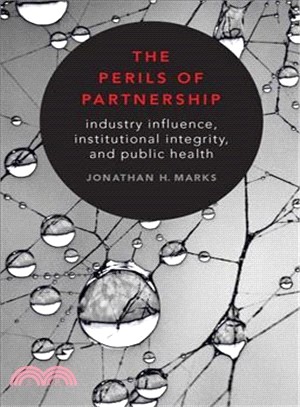
Collaboration with industry has become the paradigm in public health. Governments have developed increasingly close relationships with companies that are creating or exacerbating the very problems public health agencies are trying to solve. Nowhere is this more evident than in partnerships with food and soda companies to address obesity and diet-related non-communicable diseases. The author argues that public-private partnerships and multi-stakeholder initiatives create webs of influence that undermine the integrity of public health agencies; distort public health research and policy; and reinforce the framing of public health problems and their solutions in ways that are least threatening to the commercial interests of corporate partners. We should expect multinational corporations to develop strategies of influence. But public bodies need to develop counter-strategies to insulate themselves from corporate influence in all its forms.
The author reviews the ways in which we regulate public-public interactions (separation of powers), and private-private interactions (antitrust and competition law), and argues for an analogous set of norms to govern public-private interactions. The book also offers a novel framework that is designed to help public bodies identify the systemic ethical implications of their existing or proposed relationships with industry actors. The book makes a compelling case that, in public health, the paradigm public-private interaction should be at arm's length: separation, not collaboration. The author concludes with a call for a new paradigm in public health, and offers a vision of the future that avoids the ethical perils of partnership with industry.
作者簡介
Jonathan H. Marks is the Director of the Bioethics Program at Pennsylvania State University, and affiliate faculty at Penn State Law and the School of International Affairs. Whether writing about torture, fracking, obesity, or public health, his work addresses the intersections of ethics, law, and policy. His research also explores the related concepts of institutional ethics, integrity, and corruption.