




90折
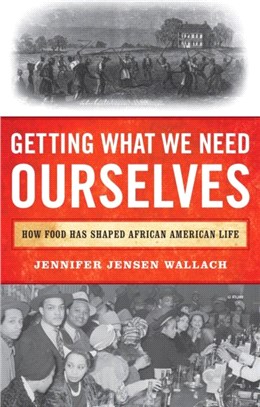
Getting What We Need Ourselves:How Food Has Shaped African American Life
商品資訊
系列名:American Ways
ISBN13:9781538172261
出版社:Rowman & Littlefield
作者:Jennifer Jensen Wallach author of How America Eats: A Social History of US Food and Culture
出版日:2022/08/29
裝訂/頁數:平裝/228頁
規格:15.8cm*24cm*1.9cm (高/寬/厚)
定價
:NT$ 1099 元優惠價
:
90 折 989 元
無庫存,下單後進貨(到貨天數約45-60天)
下單可得紅利積點 :29 點
商品簡介
商品簡介
Beginning with an examination of West African food traditions during the era of the transatlantic slave trade and ending with a discussion of black vegan activism in the twenty-first century, Getting What We Need Ourselves: How Food Has Shaped African American Life tells a multi-faceted food story that goes beyond the well-known narrative of southern-derived “soul food” as the predominant form of black food expression. While this book considers the provenance and ongoing cultural resonance of emblematic foods such as greens and cornbread, it also examines the experiences of African Americans who never embraced such foods or who rejected them in search of new tastes and new symbols that were less directly tied to the past of plantation slavery.
This book tells the story of generations of cooks and eaters who worked to create food habits that they variously considered sophisticated, economical, distinctly black, all-American, ethical, and healthful in the name of benefiting the black community. Significantly, it also chronicles the enduring struggle of impoverished eaters who worried far more about having enough to eat than about what particular food filled their plates. Finally, it considers the experiences of culinary laborers, whether enslaved, poorly paid domestic servants, tireless entrepreneurs, or food activists and intellectuals who used their knowledge and skills to feed and educate others, making a lasting imprint on American food culture in the process.
Throughout African American history, food has both been used as a tool of empowerment and wielded as a weapon. Beginning during the era of slavery, African American food habits have often served as a powerful means of cementing the bonds of community through the creation of celebratory and affirming shared rituals. However, the system of white supremacy has frequently used food, or often the lack of it, as a means to attempt to control or subdue the black community. This study demonstrates that African American eaters who have worked to creative positive representations of black food practices have simultaneously had to confront an elaborate racist mythology about black culinary inferiority and difference. Keeping these tensions in mind, empty plates are as much a part of the history this book sets out to narrate as full ones, and positive characterizations of black foodways are consistently put into dialogue with distorted representations created by outsiders. Together these stories reveal a rich and complicated food history that defies simple stereotypes and generalizations.
This book tells the story of generations of cooks and eaters who worked to create food habits that they variously considered sophisticated, economical, distinctly black, all-American, ethical, and healthful in the name of benefiting the black community. Significantly, it also chronicles the enduring struggle of impoverished eaters who worried far more about having enough to eat than about what particular food filled their plates. Finally, it considers the experiences of culinary laborers, whether enslaved, poorly paid domestic servants, tireless entrepreneurs, or food activists and intellectuals who used their knowledge and skills to feed and educate others, making a lasting imprint on American food culture in the process.
Throughout African American history, food has both been used as a tool of empowerment and wielded as a weapon. Beginning during the era of slavery, African American food habits have often served as a powerful means of cementing the bonds of community through the creation of celebratory and affirming shared rituals. However, the system of white supremacy has frequently used food, or often the lack of it, as a means to attempt to control or subdue the black community. This study demonstrates that African American eaters who have worked to creative positive representations of black food practices have simultaneously had to confront an elaborate racist mythology about black culinary inferiority and difference. Keeping these tensions in mind, empty plates are as much a part of the history this book sets out to narrate as full ones, and positive characterizations of black foodways are consistently put into dialogue with distorted representations created by outsiders. Together these stories reveal a rich and complicated food history that defies simple stereotypes and generalizations.








購物須知
外文書商品之書封,為出版社提供之樣本。實際出貨商品,以出版社所提供之現有版本為主。部份書籍,因出版社供應狀況特殊,匯率將依實際狀況做調整。
無庫存之商品,在您完成訂單程序之後,將以空運的方式為你下單調貨。為了縮短等待的時間,建議您將外文書與其他商品分開下單,以獲得最快的取貨速度,平均調貨時間為1~2個月。
為了保護您的權益,「三民網路書店」提供會員七日商品鑑賞期(收到商品為起始日)。
若要辦理退貨,請在商品鑑賞期內寄回,且商品必須是全新狀態與完整包裝(商品、附件、發票、隨貨贈品等)否則恕不接受退貨。