Since moving hundreds of miles to a new school, Daria has become increasingly dependent on her cell phone. Texts, Facebook and phone calls are her only connection to her friends in Calgary, and Daria
"As [Disconnect] shows, cell phones may actually be doing damage to far more than our attention spans-and could, in fact, be killing us." -Salon.com. Since the invention of radar, cell phone radiati
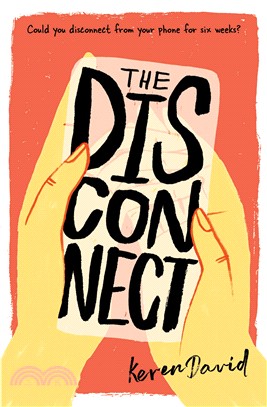
Could you disconnect from your phone for six weeks? An eccentric entrepreneur has challenged Esther's year group to do just that, and the winners will walk away with GBP1,000. For Esther, whose dad, s
An urgent examination of the threat posed to social media by user disconnection, and the measures websites will take to prevent it No matter how pervasive and powerful social media websites become, us
An urgent examination of the threat posed to social media by user disconnection, and the measures websites will take to prevent it No matter how pervasive and powerful social media websites become, us
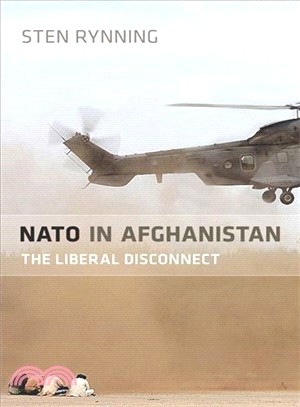
The war in Afghanistan has run for more than a decade, and NATO has become increasingly central to it. In this book, Sten Rynning examines NATO's role in the campaign and the difficult diplomacy invol
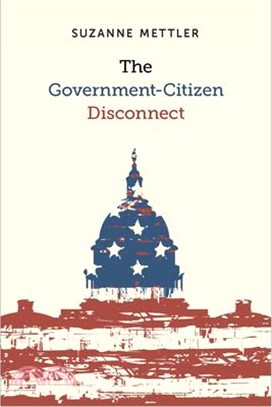
This book analyzes the demographic disconnect between the American public and congressional representation. The fact that Congress does not equally represent all citizens is critical to understanding
Looks at the relationship between economic power and the digital world, encouraging readers to fight back against the monopolies that are making the Internet less democratic. 20,000 first printing.
Celebrants and skeptics alike have produced valuable analyses of the Internet’s effect on us and our world, oscillating between utopian bliss and dystopian hell. But according to Robert W. McChesney,
A book for popular readers on the subject of technology and alienation, The Big Disconnect is written in a smart, breezy style. It relies on personal stories from the author, and a dazzling range of h
Red states, blue states . . . are we no longer the United States? Morris P. Fiorina here examines today’s party system to reassess arguments about party polarization while offering a cogent overview o
Red states, blue states . . . are we no longer the United States? Morris P. Fiorina here examines today’s party system to reassess arguments about party polarization while offering a cogent overview o
Wyckoff (public policy, Hamilton College) argues that public policy debates in the United States are frequently hampered by a mismatch between exaggerated claims made for the effectiveness of public p