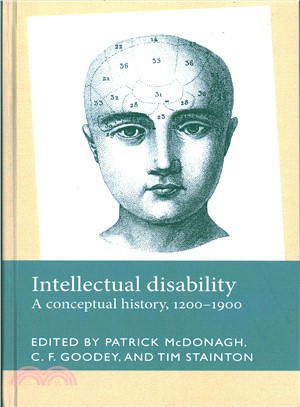
This is the first book devoted to the cultural history in the pre-modern period of people we now describe as having learning disabilities. Using an interdisciplinary approach, including historical sem
Recycling the disabled: Army, medicine, and modernity in WWI Germany examines the 'medical organisation' of Imperial Germany for total war. Faced with mounting casualties and a growing labour shortage
Many people are shocked upon discovering that tens of thousands of innocent persons in the United States were involuntarily sterilized, forced into institutions, and otherwise maltreated within the co
Many people are shocked upon discovering that tens of thousands of innocent persons in the United States were involuntarily sterilized, forced into institutions, and otherwise maltreated within the co
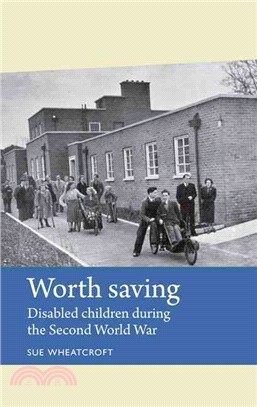
Early in the war, when faced with an acute shortage of accommodation for evacuees, a government official questioned whether disabled children were "worth saving." This book examines how the evacuation
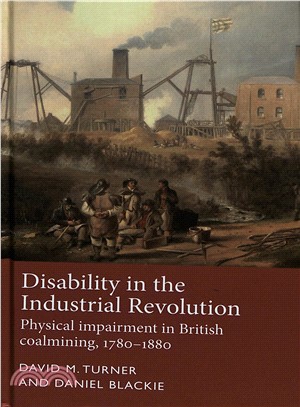
An electronic version of this book is also available under a Creative Commons (CC-BY-NC-ND) license, thanks to the support of the Wellcome Trust.The Industrial Revolution produced injury, illness and
This collection explores the historical origins of our modern concepts of intellectual or learning disability. The essays, from some of the leading historians of ideas of intellectual disability, focu
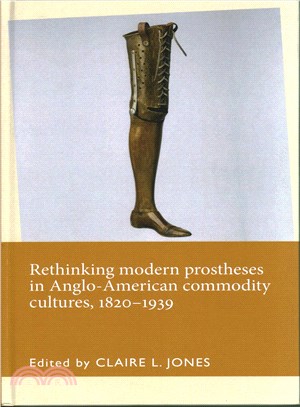
This book explores the development of modern transatlantic prosthetic industries in nineteenth and twentieth centuries and reveals how the co-alignment of medicine, industrial capitalism, and social n
This is the first book devoted to the cultural history in the pre-modern period of people we now describe as having learning disabilities. Using an interdisciplinary approach, including historical sem
This book contains the first detailed study on the experiences of disabled children in England during the Second World War. It examines the lives of those who were evacuated into residential special s