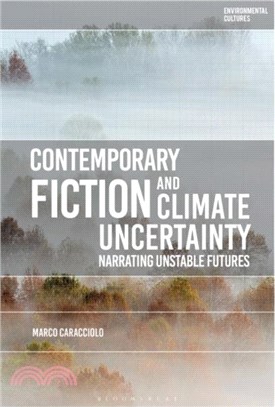
This work analyzes 21st-century realistic speculations of human extinction: fictions that imagine future worlds without interventions of as-yet uninvented technology, interplanetary travel, or other s
From The Pastoral Players’ 1884 performance of As You Like It to contemporary site-specific productions activist interventions, there is a rich history of open air performances of Shakespeare’s plays
Harnessing new enthusiasm for Nan Shepherd’s writing, The Living World asks how literature might help us reimagine humanity’s place on earth in the midst of our ecological crisis. The first book to ex
Digital technology has transformed the way that we visualise the natural world, the art we create and the stories we tell about our environments. Exploring contemporary digital art and literature thro
For more than 40 years Eastern European culture came under the sway of Soviet rule. What is the legacy of this period for cultural attitudes to the environment and the contemporary battle to confront
New insights from cognitive theory and literary ecocriticism have the power to transform our understanding of one of the most important literary genres: the lyric poem. In Cognitive Ecopoetics, Sharon
The reckoning of climate change calls for us to fundamentally rethink our notions of human centrality, superiority and power. Drawing on a wide range of modern writers and thinkers - from Freud and Da
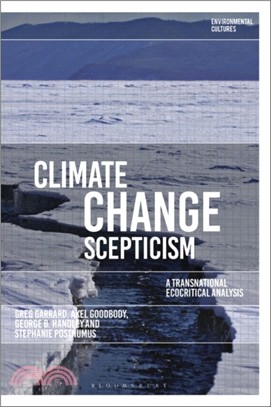
This book is available as open access through the Bloomsbury Open Access programme and is available on www.bloomsburycollections.com. Climate Change Scepticism is the first ecocritical study to exam