Prior to the arrival of Europeans, numerous native peoples thrived across North America. Providing an overview of daily life and culture, this new series introduces six First Peoples. Approachable tex
Prior to the arrival of Europeans, numerous native peoples thrived across North America. Providing an overview of daily life and culture, this new series introduces six First Peoples. Approachable tex
Prior to the arrival of Europeans, numerous native peoples thrived across North America. Providing an overview of daily life and culture, this new series introduces six First Peoples. Approachable tex
Prior to the arrival of Europeans, numerous native peoples thrived across North America. Providing an overview of daily life and culture, this new series introduces six First Peoples. Approachable tex
Prior to the arrival of Europeans, numerous native peoples thrived across North America. Providing an overview of daily life and culture, this new series introduces six First Peoples. Approachable tex
Prior to the arrival of Europeans, numerous native peoples thrived across North America. Providing an overview of daily life and culture, this new series introduces six First Peoples. Approachable tex
?This book is an imagining.” So begins this collection examining critical, Indigenous-centered approaches to understanding gay, lesbian, bisexual, transgender, queer, and Two-Spirit (GLBTQ2) lives and
Discusses the Inuit Indians, focusing on their tradition of carving ivory. Includes a recipe for a blueberry-topped snowcream, and instructions for carving soap animals and for playing an Inuit game.
We are all caught up in one another, Scott Lauria Morgensen asserts, we who live in settler societies, and our interrelationships inform all that these societies touch. Native people live in relation
Tongans, the native people of the Kingdom of Tonga in the South Pacific, are a highly mobile indigenous group. Like their seafaring ancestors, they are constantly on the move across ta (time) and va (
They were the healers, teachers, and writers, the “wise ones” of Nahuatl-speaking cultures in Mexico, remembered in painted codices and early colonial manuscripts of Mesoamerica as the guardians of kn
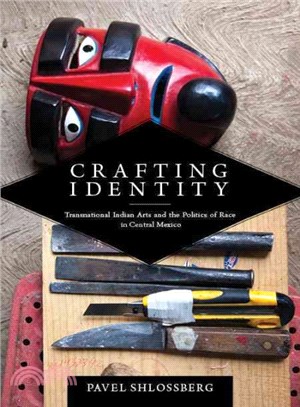
Crafting Identity goes far beyond folklore in its ethnographic exploration of mask making in central Mexico. In addition to examining larger theoretical issues about indigenous and mestizo identity an
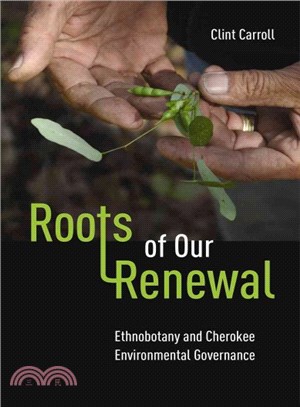
In Roots of Our Renewal, Clint Carroll tells how Cherokee people have developed material, spiritual, and political ties with the lands they have inhabited since removal from their homelands in the sou
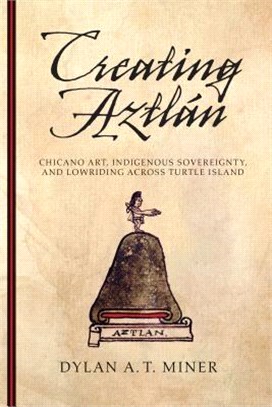
In lowriding culture, the ride is many things—both physical and intellectual. Embraced by both Xicano and other Indigenous youth, lowriding takes something very ordinary—a car or bike&mdas
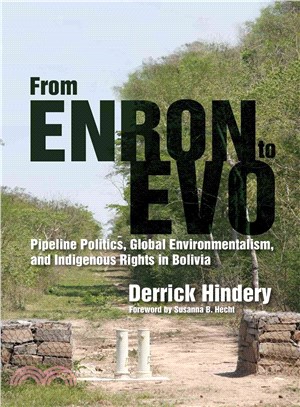
Throughout the Americas, a boom in oil, gas, and mining development has pushed the extractive frontier deeper into Indigenous territories. Centering on a long-term study of Enron and Shell’s Cuiaba pi
Following the socialist revolution, a colossal shift in everyday realities began in the 1920s and ’30s in the former Russian empire. Faced with the Siberian North, a vast territory considered cultural
Stories of the volcano goddess Pele and her youngest sister Hi‘iaka, patron of hula, are most familiar as a form of literary colonialism—first translated by missionary descendants and others, then co-
Stories of the volcano goddess Pele and her youngest sister Hi‘iaka, patron of hula, are most familiar as a form of literary colonialism—first translated by missionary descendants and others, then co-
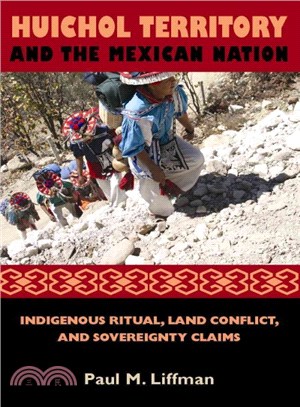
The Huichol (Wixarika) people claim a vast expanse of Mexico’s western Sierra Madre and northern highlands as a territory called kiekari, which includes parts of the states of Nayarit, Jalisco, Durang
Yakama Rising argues that Indigenous communities themselves have the answers to the persistent social problems they face. This book contributes to discourses of Indigenous social change by articulatin
Dominant history would have us believe that colonialism belongs to a previous era that has long come to an end. But as Native people become mobile, reservation lands become overcrowded and the state s
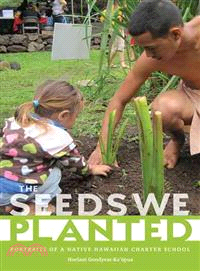
Goodyear-Ka'opua (political science, U. of Hawaii at Manoa), who co-founded the Halau Ku Mana charter school in 1999 and served as teacher, administrator, and board member of the school, relates the s
Sometime in the 1740s, Sor Maria Magdalena, an indigenous noblewoman living in one of only three convents in New Spain that allowed Indians to profess as nuns, sent a letter to Father Juan de Altamira
Not every world culture that has battled colonization has suffered or died. In the Ecuadorian Andean parish of Salasaca, the indigenous culture has stayed true to itself and its surroundings for centu
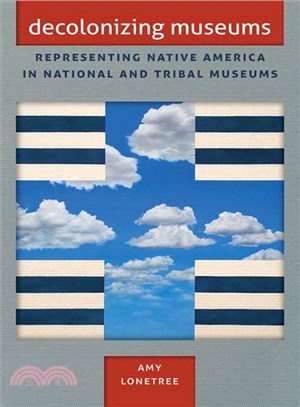
Museum exhibitions focusing on Native American history have long been curator controlled. However, a shift is occurring, giving Indigenous people a larger role in determining exhibition content. In De
The first collection of writings and images focused on an off-reservation Indian boarding school, The Indian School on Magnolia Avenue shares the fascinating story of this flagship institution, fea
During the colonial period in Guyana, the country’s coastal lands were worked by enslaved Africans and indentured Indians. In Creole Indigeneity, Shona N. Jackson investigates how their descendants, c
Patrisia Gonzales addresses "Red Medicine" as a system of healing that includes birthing practices, dreaming, and purification rites to re-establish personal and social equilibrium. The book explores
"Eating is not only a political act, it is also a cultural act that reaffirms one’s identity and worldview," Enrique Salmon writes in Eating the Landscape. Traversing a range of cultures, including th
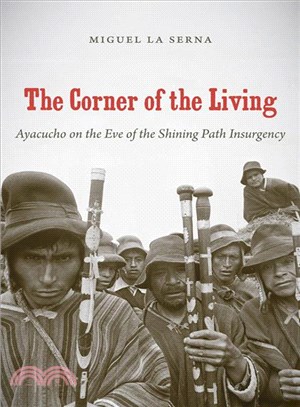
Peru's indigenous peoples played a key role in the tortured tale of Shining Path guerrillas from the 1960s through the first decade of the 21st century. The villagers of Chuschi and Huaychao, high in
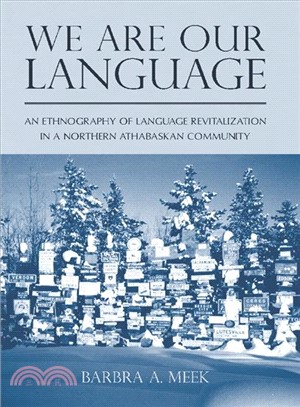
For many communities around the world, the revitalization or at least the preservation of an indigenous language is a pressing concern. Understanding the issue involves far more than compiling simple
Amazonian indigenous peoples have preserved many aspects of their culture and cosmology while also developing complex relationships with dominant non-indigenous society. Until now, anthropological wri
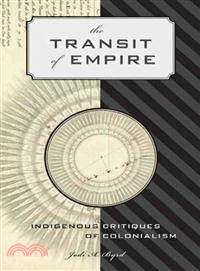
In 1761 and again in 1768, European scientists raced around the world to observe the transit of Venus, a rare astronomical event in which the planet Venus passes in front of the sun. In The Transit of
More than one hundred fifty years ago, Moravian missionaries first landed along a so-called isolated stretch of Honduras’s Mosquito Coast bordering the western Caribbean Sea. The missionaries were sen
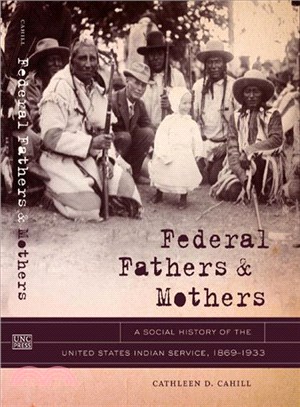
Established in 1824, the United States Indian Service (USIS), now known as the Bureau of Indian Affairs, was the agency responsible for carrying out U.S. treaty and trust obligations to American India
In Ghana, adinkra and kente textiles derive their significance from their association with both Asante and Ghanaian cultural nationalism. Adinkra, made by stenciling patterns with black dye, and kente
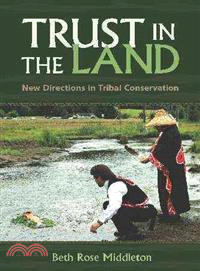
“The Earth says, God has placed me here. The Earth says that God tells me to take care of the Indians on this earth; the Earth says to the Indians that stop on the Earth, feed them right. . . . God sa
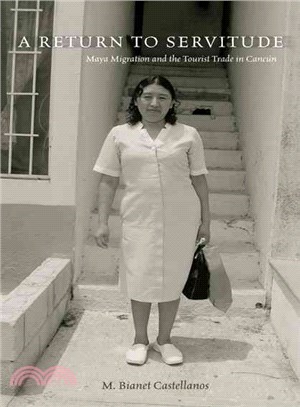
Weaving Avery Gordon's notion of haunting with theories of transnationalism and modernity, M. Bianet Castellanos argues that the cultural and material shifts that accompany Maya migration for work in
"Edward Osowski focuses on a regional set of Nahua Constantines, who, with their conversionary moments generations behind them, sought to lead by example---through patronage, public demonstrations of