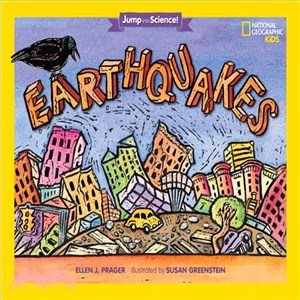
Kids are fascinated by the amazing power of earthquakes – one of nature's most dramatic displays. Colorful illustrations and kid-friendly text make complex geological science fascinating and easy to u
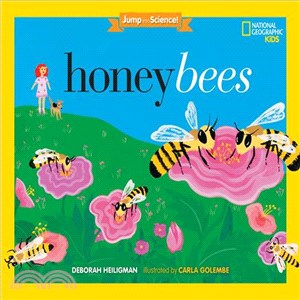
Jump in and get up close to honey bees to learn all about what they are, how hard they work, and the important tasks they perform during their life cycle. Adorable illustrations and kid-friendly text
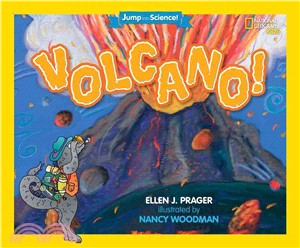
Jump in and travel the world to learn all about volcanoes -- what they are, how they work, and why they're so explosively fascinating. Adorable illustrations and kid-friendly text make compl
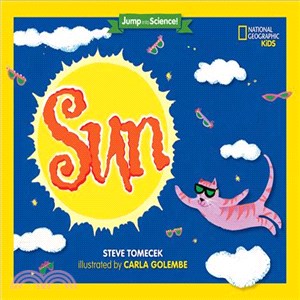
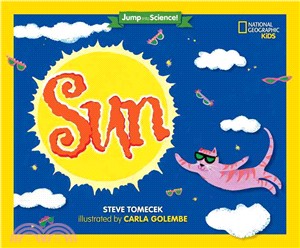
How hot is the sun? What is it made of? How long would it take to get there? This fun- and fact-filled picture book answers these questions and many more. Follow the lead of two kids and a purple cat,
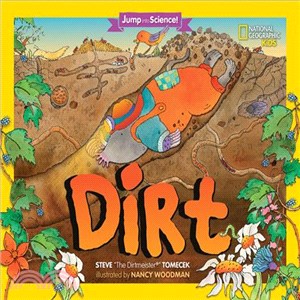
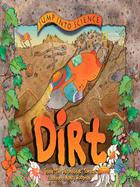
What is soil? Who lives in dirt? How does earth help things grow? The answers are within this fun- and fact-filled picture book. Just follow the gardening, star-nosed mole in the colorful outfits . .
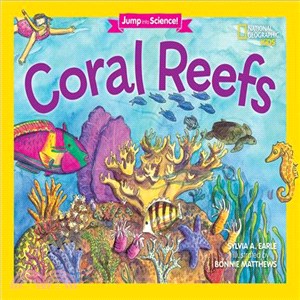
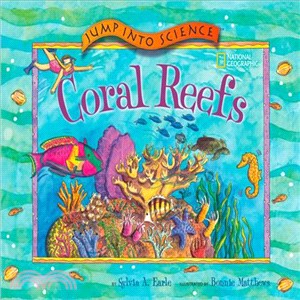
Earle takes children on an undersea journey to explore an amazing "underwater city." She explains the formation of coral reefs and provides information about the conditions needed fo
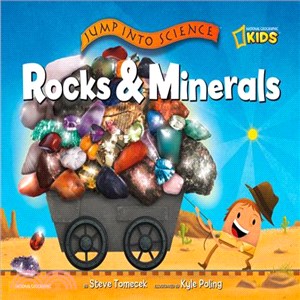
Kids will gravitate to Steve Tomecek’s humorously illustrated guide, which surveys the earth’s astounding variety of rocks and minerals and the fascinating ways people have transformed them into usabl
Earle takes children on an undersea journey to explore an amazing "underwater city." She explains the formation of coral reefs and provides information about the conditions needed for survival. In add
Have you heard that the Moon is made of green cheese? Or that the appearance of the full moon can turn you into a wolf? And how about that Man on the Moon? If you believe any of these old Moon myths,
Brief text explores how soil is formed, its layers, and its importance as a natural resource that living things need to survive, in an addition to an early science discovery series which combines impo
A friendly crow gives boys and girls a bird's-eye view of earthquakes in action and introduces the basics of plate tectonics, and includes a step-by-step experiment for creating a kid-sized earthquake
Volcano Vulcan, Dragon Explorer describes how volcanoes act and erupt in different ways, what happens after an eruption, and how scientists are discovering ways to predict a volcano's behavior. Reprint.
How do bees make honey? Why are they so sweet on their queen? What hours do they work in their honey factories called hives? For all the buzz about honeybees, this Jump into Science title really is th
How hot is the sun? What is it made of? How long would it take to get there? This fun- and fact-filled picture book answers these questions and many more. Follow the lead of two kids and a purple cat,
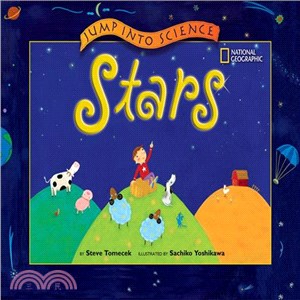
Where do stars go in the daytime? How far away are stars? What stories can they tell us? Marvel at the mythic stories of the constellations and try finding your own patterns in the sky. Think beyond o
What is sand? How is it formed? Where does sand come from? How does it get to the beach? Why is it different colors? Let the sandpiper sleuth show you the answers to these questions in this lively, co
Moon is a clear introduction to the fascinating science of Earth's moon and also a delightful romp in the company of a charming cat and his firefly friend. Steve Tomecek's science expertise shines o
A jewel-toned parrotfish guides a young snorkeler through the stunning underwater realm of coral reefs. Readers encounter an amazing array of fish, sharks, worms, dolphins, turtles, and other creatur
What are stars made of? Where do they go in the daytime? How far away are they? A boy and his bike-riding dog take readers on a stellar journey to answer these and other intriguing questions. Along t
Young readers get down in the dirt with a friendly star-nosed mole as he shows off the different parts of his garden and some amazing creatures who live in the dirt. During this exciting tour, childr