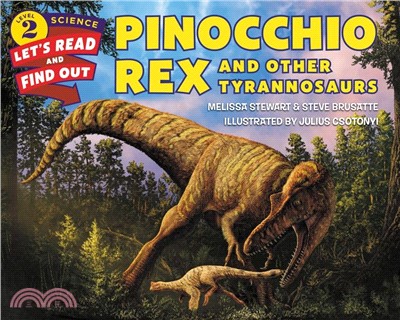
Everyone knows that Tyrannosaurus rex is the huge dinosaur with sharp claws and tiny arms. But in this Level Two LRFO from acclaimed science writer Melissa Stewart, you’ll learn that T. rex is not the
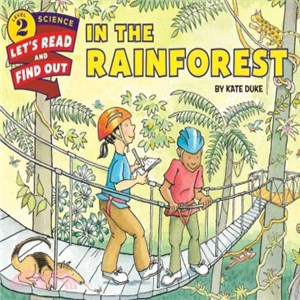
The rainforest is home to millions of plant and animal species. The inhabitants of the rainforest depend on each other and they all depend on rain. How much rain falls in a rainforest? How do scientis
Stegosaurus had spikes along its back. Triceratops had long, sharp horns. Tyrannosaurus rex was enormous. Millions and millions of years before the first people lived, these fascinating creatures rule
Let's-Read-and-Find-Out About Teeth Have you ever wondered what would happen if you never brushed your teeth? Why do you need your teeth to be strong and hard? Read and find out all about teeth with
Read and find out about one of nature's most mysterious forces?the earthquake. Some earthquakes are so small that you don't even feel them, while others can make even big buildings shake! Learn why ea
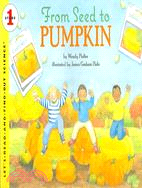
Pumpkins can be baked in a pie. Pumpkins can be carved into jack-o'-lanterns. Pumpkin seeds can be roasted for a healthy snack. But how does a tiny seed turn into a big pumpkin? Read and find out what
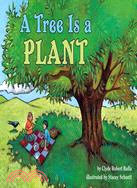
A tree is the biggest plant that grows. Trees can live for a very long time, and they are alive all year long, even when they look dead in winter. In this newly illustrated book, you will learn how a
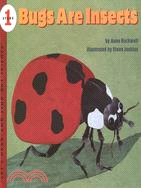
Is a ladybug really a bug?Is a honeybee an insect? How about a spider? How do you know? Find out how you can tell if a beautiful butterfly or a crawling centipede is actually an insect or something el
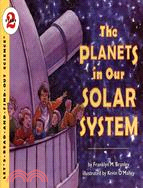
You live on Earth, so you already know a lot about it. But do you know about its place in out solar system? For instance, it's not the largest planet. If Jupiter were a hallow ball, 1,000 Earths would
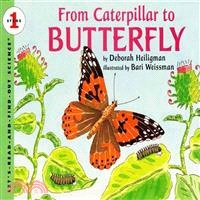
A caterpillar comes to school in a jar. The class watches the caterpillar each day as it grows and changes. Soon, it disappears into a hard shell called a chrysalis. Then the chrysalis breaks, and a b
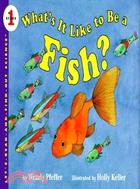
How can fish live in water? Why don’t they drown? The answer to this fishy question and more can be found in this latest addition to the Let’s-Read-and-Find-Out Science series. The book clearly explai
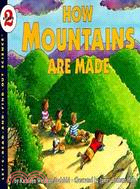
Even though Mount Everest measures 29,028 feet high, it may be growing about two inches a year. A mountain might be thousands of feet high, but it can still grow taller or shorter each year. Mountains
Most children have jumped into piles of leaves or helped their parents rake the yard, and everyone has wondered: Why do leaves change color? Activities that a child can do with leaves and even a list
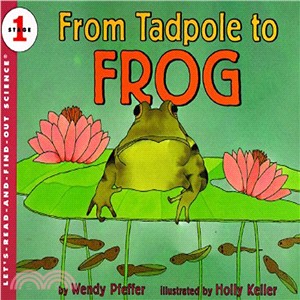
Wendy Pfeffer describes the amazing metamorphosis from tiny, jellylike egg, to little fishy tadpole, to great big bullfrog. Holly Keller has created the archetypal frog pond and we see it through the
Follow that garbage truck! ...to the landfill to see how trash keeps piling up...to the incinerator to see how trash can be turned into energy ... to the recycling center to see how a soda bottle can
How do you learn what the world is like? Through your five senses! Each sound and taste, each smell, sight, and touch helps you to discover something new. So find out more about your senses-what they
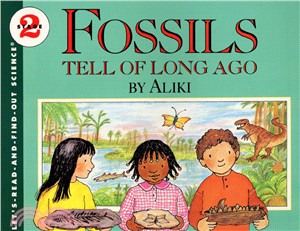
What is a fossil?Sometimes it's the imprint of an ancient leaf in a rock. Sometimes it's a woolly mammoth, frozen for thousands of years in the icy ground. Sometimes it's the skeleton of a stegosaurus
Children love to explore. Each day brings new sights and sounds, new things to smell and taste and touch . Aliki's simple text and cheerful art in this enlarged edition introduce very young children t
How do you learn what the world is like? Through your five senses! Each sound and taste, each smell, sight, and touch helps you to discover something new. So find out more about your senses-what they
Your skeleton helps you leap, somersault, and touch your toes -- without it, you would be as floppy as a beanbag! There are over 200 bones living and growing inside you that make up your skeleton. The
Because the moon revolves around Earth, it seems to grow and shrink. Children can read about the phenomena of the moon’s phases and with an experiment using an orange, a pencil, and a flashlight, they