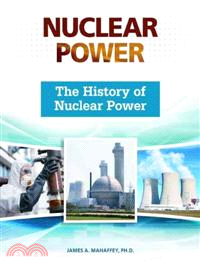
Discusses the future of nuclear reactors particularly whether smaller inexpensive reactors will become more prevalent or if reactors will become part of an alternative fuel economy.
The most dangerous component of nuclear science has always seemed to be radiation, the bio-destructive byproduct of fission. The act of fissioning a uranium or plutonium nucleus releases energy, and a
A nuclear accident can involve an explosion, destroying equipment or an entire building and spreading radioactive material over a wide area. When readers think of an explosion, they imagine a large, o
Despite the many practical ways to make electrical power using nuclear reactors, the world seems to have settled on using water heated to a boil by nuclear fission as the method of choice. There are s
The discovery and application of nuclear power is one of the most profound scientific accomplishments of the 20th century, beginning with tentative explorations of the structure of matter, expanding i