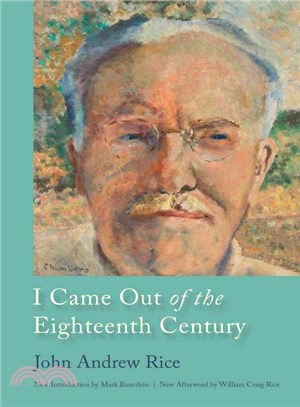
"Memoir of the lifetime of John Andrew Rice. Combines crafty storytelling, historical witness, and ethical wisdom, and it should take a prominent place in the lineage of nonfiction Southern writing fr
First published in 1929, Ulrich Bonnell Phillips's history of slavery in the Old South was a carefully researched account that focused on social and economic aspects. While it offered important insigh
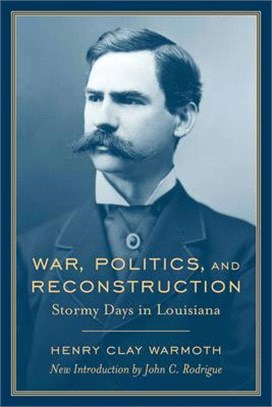
A memoir of the ambitious life and controversial political career of Louisiana governor Henry Clay Warmoth (1842-1931), War, Politics, and Reconstruction is a firsthand account of the political and so
Colonel John S. Mosby was one of the Confederacy's most effective and colorful cavalry leaders. Operating in Northern Virginia near Washington, D.C., Mosby's independent command waged guerrilla war be
"Slavery in Mississippi, first published in 1933, is a deeply researched and tightly argued social and economic study of slave life in Mississippi by Charles S. Sydnor (1898-1954). Inspired by Ulrich
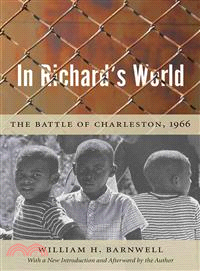
In 1966, as a seminarian at the Virginia Theological Seminary, William H. Barnwell undertook a summer's missionary work at St. John's Episcopal Mission Center in his native city of Charleston, South C
Ralph McGill (1898-1969) was the editor in chief of the Atlanta Constitution during the turbulent years of the civil rights movement that followed Brown v. Board of Education, and he became an outspok
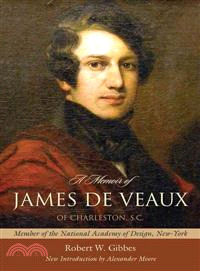
James De Veaux (1812-1844) was a promising young South Carolina-born artist who began his career painting portraits up and down the East Coast and throughout his native state. First published by Rober
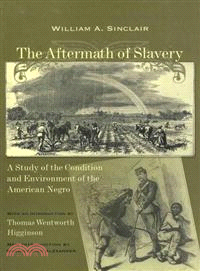
The Aftermath of Slavery, first published in 1905 by former slave William Albert Sinclair, is considered something of a classic for its examination and assessment of African Americans' struggles again
Part of a series intended to bring classic works of Southern scholarship and literature to new audiences, this volume presents in its entirety the doctoral dissertation of Edgar T. Thompson, a sociolo
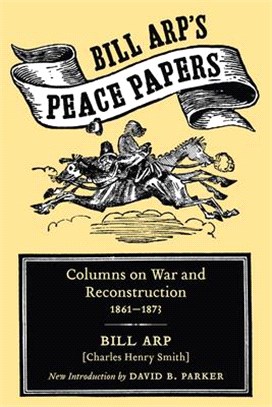
Writing as Bill Arp, Georgia lawyer Charles Henry Smith was considered the most famous humorist of the Confederacy. This volume is a collection of his satiric and mocking writings from the Civil War a
First published in 1950 and long sought by collectors and historians, South Carolina Goes to War, 1860-1865 stands as the only institutional and political history of the Palmetto State's secession fro
This interpretation by a major UK classical liberal economist of the slave-based Southern economy also justified European neutrality toward the US Civil War. A new introduction by Mark M. Smith (histo
Previous editions of this work, originally published in 1944, are cited in Books for College Libraries, 3d ed. . Simkins' (d.1966) history of the racist South Carolina governor describes his far-reac
First published in 1928, this study describes and analyzes the Huguenot migration and settlement in South Carolina throughout the colonial period. Hirsch (1878-1976), who taught history at Ohio Wesley
This highly literate account by the son of President Zachary Taylor follows the author's Confederate commands in all three major theatres of the war, and provides a unique view of the Reconstruction p
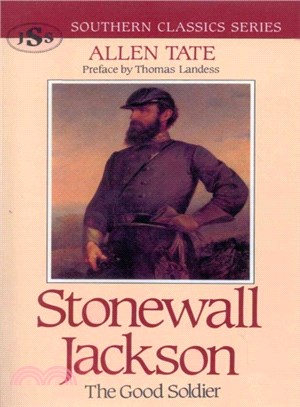
Written early in Tate’s career, this study of the Confederacy’s fallen leader is highly critical of his flaws yet ultimately sympathetic to the Southern cause.
Long before there were cobblestone streets along the Charleston battery, there was rice and there were slaves--the twin pillars upon which colonial Carolina wealth was built. But by the Civil War both
Longstreet’s good-natured narrators paint a lively picture of the Georgia frontier—hilariously contrasting rural and village life and the clash of the vernacular and genteel cultures. Southern Classic
Diony Hall of Five Oaks in Virginia marries Berk Jarvis and travels with him into the Kentucky wilderness, only to lose him when he goes after the murderers of his mother, and have him return after sh
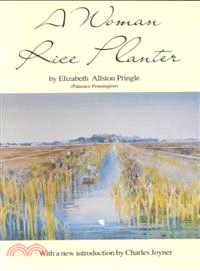
A Woman Rice Planter offers insights into a broad spectrum of Southern life after the Civil War. As an account of a woman's struggle for survival and dignity in a distinctly male-dominated society, it
In this vivid portrait of one of the South’s ablest (and most enigmatic) commanders, Allen Tate portrays the warrior whom Lee would mourn as "his right arm." Southern Classics Series
Looks at the literary criticism and writings of the group known as the Fugitives, including such notables as Allen Tate, John Crowe Ransom, and Andrew Lytle