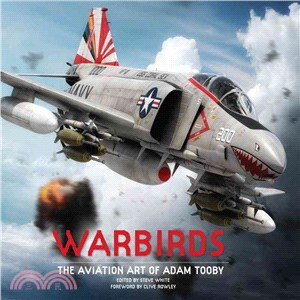
Adam Tooby is a rising star in the field of aviation art. His work currently graces the new range of Airfix model boxes; he has also just signed up to produce covers for a range of books produced by w
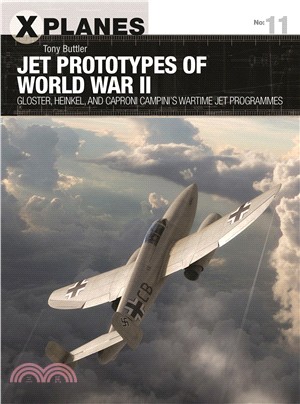
From the Heinkel He 178 to the Caproni Camini N.1, this is the authoritative illustrated guide to the revolutionary aircraft that led to start of the military jet age.While World War II raged, pioneer
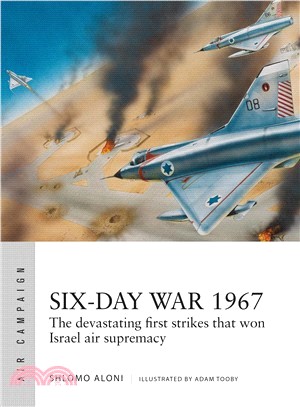
The story of how the Israeli Force achieved one of the most audacious and important air power victories in history, wiping out enemy air forces more than twice its own size in a single morning.This ne
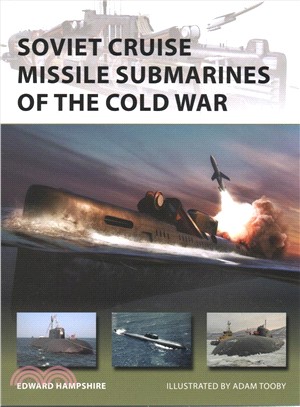
The Soviet Union's cruise missile submarines, from the modified Whiskey to the Oscar II classes, were among the most formidable vessels of the Cold War. They were initially designed to carry land atta
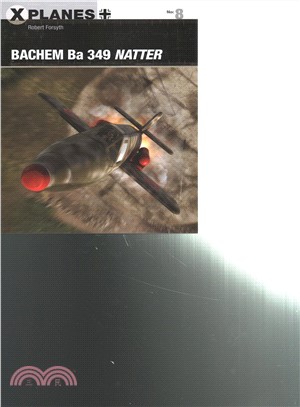
The Bachem Ba 349 Natter was a secretive, vertical take-off, single-seat rocket interceptor intended to offer high-speed defense of key targets. This radical aircraft offered Luftwaffe an inexpensive
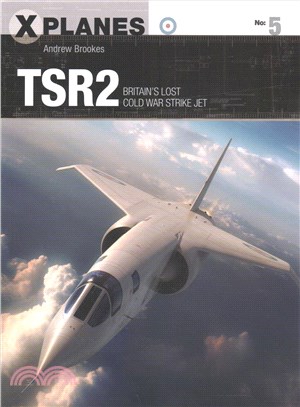
The TSR2 is one of the greatest 'what-if' aircraft of the Cold War, whose cancellation still generates anger and controversy among aviation fans. It was a magnificent, cutting-edge aircraft, one of th
The Messerschmitt Bf 109 was one of the truly world-class piston-engined fighters of World War II. This reputation rests largely with the E-F variants, which bore the brunt of the Luftwaffe's most imp
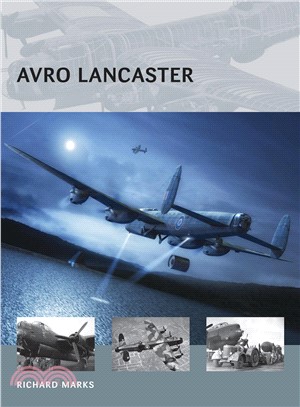
The Avro Lancaster was one of the finest bombers of World War II and became the spearhead of the RAF's strategic bombing campaign over the Third Reich. Richard Marks draws on extensive research and de
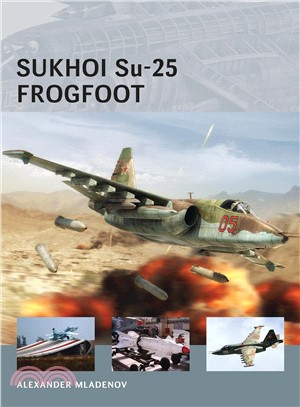
Like the American A-10 Warthog, the first Soviet jet dedicated by design to CAS (Close Air Support), the 'Frogfoot' has durability and firepower.In February 2012, the Sukhoi Su-25 (NATO reporting name
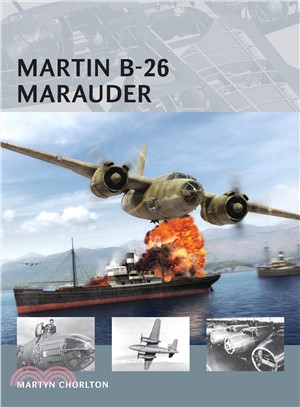
One of the most underrated medium bombers of the Second World War, the Martin B-26 Marauder never fully managed to shake off an underserved early reputation as a dangerous aircraft to fly. Admittedly,
In many respects the most successful, versatile and widely-used combat aircraft of the post-war era the F-4 Phantom II was quickly adopted by the USAF after its spectacular US Navy introduction. It wa
The Republic F-105 was the fastest and most successful Cold War strike fighter. Designed to deliver nuclear weapons at low altitude and then fight its way back to base it was the primary weapon in the
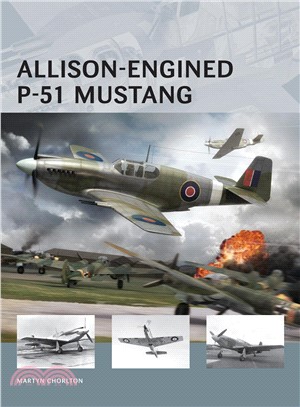
North American Aviation's rapid and original design development of the P-51 resulted in success versus German and Japanese planes in World War II.Not enough credit is given to Allison-engined variants
A highly illustrated study of the US Navy’s pioneering high-performance research aircraft that broke Mach 2 and paved the way for America's Cold War “Century Series” fighters.The six Douglas D-558 res
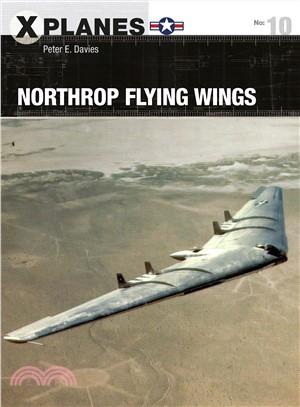
With original artwork and rarely seen photos, Northrop Flying Wings is an invaluable resource about some of the most remarkable aircraft ever flown. World War II brought a need for very long-range bom
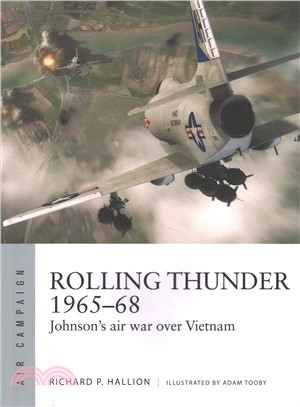
The bombing campaign that was meant to keep South Vietnam secure, Rolling Thunder became a byword for pointless, ineffective brutality, and was a key factor in America's Vietnam defeat. But in its fai
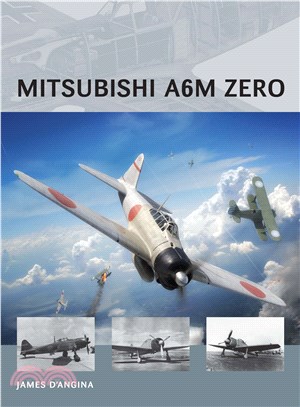
Unquestionably the most iconic Japanese fighter of World War II, the Mitsubishi A6M Rei-Sen, Type Zero fighter was used from the initial raid on Pearl Harbor up to the Kamikaze attacks at the end of t
Fully illustrated with stunning full color artwork, this is the fascinating story of arguably the world's first "modern" air campaign. Following the failure of Rolling Thunder US aircraft were now ar
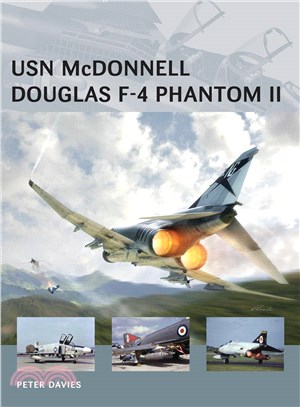
Originally designed as a carrier-born, long-range interceptor armed with radar-guided missiles and tasked with defense against missile-launching bombers, the Phantom II went on to establish itself as
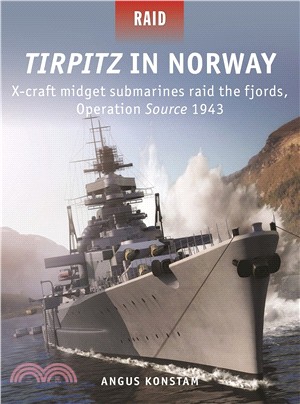
This study explores the story of a handful of British X-Craft submarines which stole into one of the best-protected anchorages of WWII and exploded mines under the German battleship Tirpitz.In Septemb
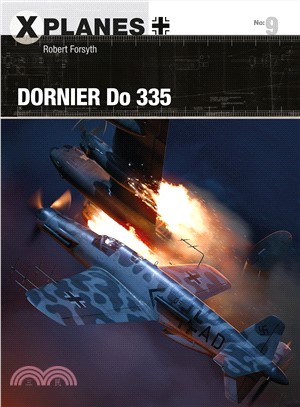
The Dornier Do 335 was conceived as a high-speed, all-weather fighter, and represented the pinnacle of piston-engined aircraft design. The Do 335 was a big aircraft, weighing just over 10,000kg when l
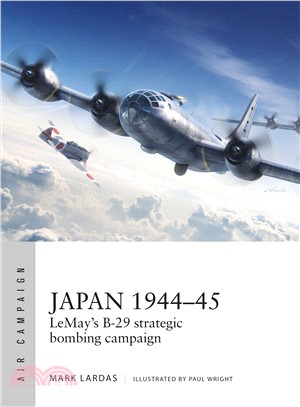
Japan 1944-45 examines the only time in history that a major war was ended by the use of air power. It shows how the United States used a combination of industrial capability and geography to devastat