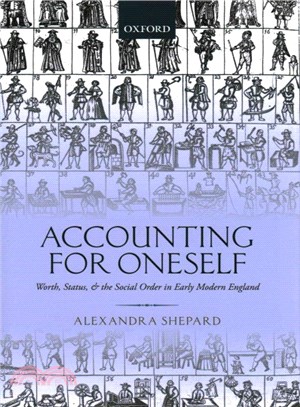
Accounting for Oneself is a major new study of the social order in early modern England, as viewed and articulated from the bottom up. Engaging with how people from across the social spectrum placed
Worth, Status, and the Social Order in Early Modern England is a major new study of the social order in early modern England, as viewed and articulated from the bottom up. Engaging with how people fro
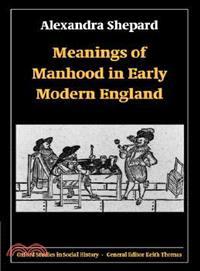
This path-breaking study explores the diverse and varied meanings of manhood in early modern England and their complex, and often contested, relationship with patriarchal principles. Using social, po
How were cultural, political, and social identities formed in the early modern period? How were they maintained? What happened when they were contested? What meanings did “community” have? This path-b
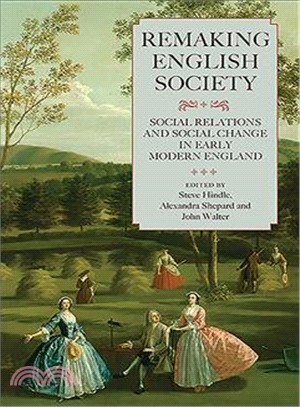
A tribute to the work of Keith Wrightson, Remaking English Society re-examines the relationship between enduring structures and social change in early modern England. Collectively, the essays in the v
Historians specializing in early modern English economics and society look at the period through the lens of social history, an approach that emerged during the late 1960s. Among the topics are illegi
Through a collection of essays by leading scholars on women's history and gender history, Gender and Change: Agency, Chronology and Periodisation questions conventional chronologies while reassessing
In his previous books, noted management consultant Glenn Shepard showed managers how to get the most from their workforce. Now, in How to Be the Employee Your Company Can't Live Without, Shepard shows
There was a time when people were committed to working hard and being productive in the work force. Today, however, some workers have an entitlement mentality and the labor pool includes some people w