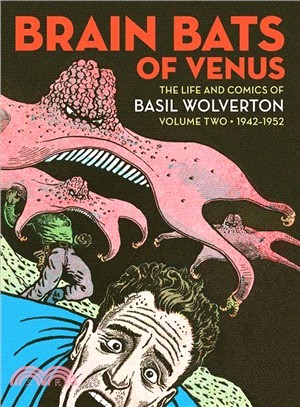
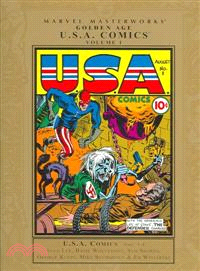
Basil Wolverton’s work refuses to die. Following a well-received exhibit of original art in New York City’s Gladstone Gallery (which The New York Times called “exuberantly grotesque”) came 2009’s publication of The Wolverton Bible (Fantagraphics Books). Though his comic book work has been reprinted endlessly, it has either been “modernized” with digital colors or presented in austere black and white. The time has come for a robust volume of Wolverton’s comics taken from their original printed source — the comic books themselves.A pioneer from the first generation of comic book artists, Wolverton arrived just as publishers began embracing original material, turning away from the newspaper-strip reprints that had been sustaining the industry since its inception our years earlier. One of the first to realize the value of “in-house” features was Centaur Publications, whose art director Lloyd Jacquet gave Wolverton his big break in comics in 1938, accepting “Meteor Martin” for Amazing Man C