Once the province of film and media scholars, today the moving image is of broad concern to historians of art and architecture and designers of everything from websites to cities. As museums and galle
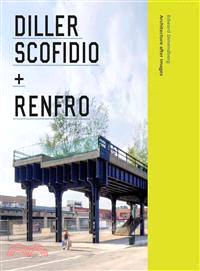
In Diller Scofidio + Renfro: Architecture after Images, Edward Dimendberg offers the first comprehensive treatment of one of the most imaginative contemporary design studios. Since founding their pra
Film noir remains one of the most enduring legacies of 1940s and '50s Hollywood. Populated by double-crossing, unsavory characters, this pioneering film style explored a shadow side of American life d
Once the province of film and media scholars, today the moving image is of broad concern to historians of art and architecture and designers of everything from websites to cities. As museums and galle
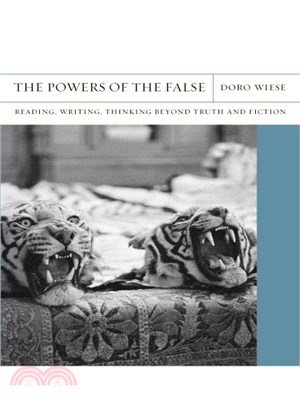
Can literature make it possible to represent histories that are otherwise ineffable? Making use of the Deleuzian concept of “the powers of the false,” Doro Wiese offers readings of three novels that d
Hayden White borrows the title for The Practical Past from philosopher Michael Oakeshott, who used the term to describe the accessible material and literary-artistic artifacts that individuals and ins
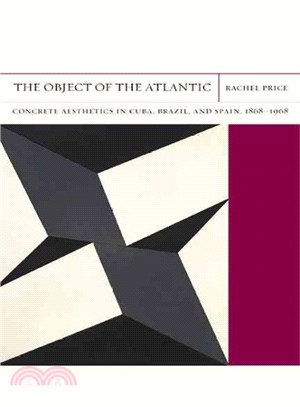
The Object of the Atlantic is a wide-ranging study of the transition from a concern with sovereignty to a concern with things in Iberian Atlantic literature and art produced between 1868 and 1968. Rac
The first reference of its kind, Encyclopedia of Aesthetics was originally published in 1998 in four volumes. Now revised and expanded to include over 800 entries, the Encyclopedia surveys the full br
A laboratory for competing visions of modernity, the Weimar Republic (1918-1933) continues to haunt the imagination of the twentieth century. Its political and cultural lessons retain uncanny relevan
A multifaceted interpretation of Richter's career as a filmmaker, artist, and writer, examining his pioneering work --with a special emphasis on film--in the context of his collaborations with some of
Philosophers and geographers have converged on the topic of public space, fascinated and in many ways alarmed by fundamental changes in the way post-industrial societies produce space for public use,