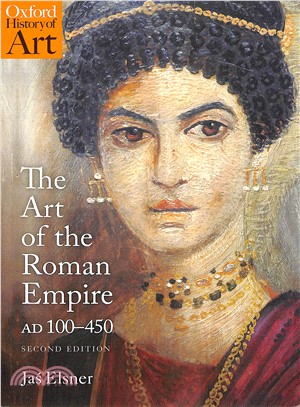
The passage from Imperial Rome to the era of late antiquity, when the Roman Empire underwent a religious conversion to Christianity, saw some of the most significant and innovative developments in Wes
In Roman Eyes, Jas Elsner seeks to understand the multiple ways that art in ancient Rome formulated the very conditions for its own viewing, and as a result was complicit in the construction of subjec
Religion has always been a fundamental force for constructing identity, from antiquity to the contemporary world. The transformation of ancient cults into faith systems, which we recognise now as majo
While the modern world has largely dismissed the figure of the saint as a throwback, we remain fascinated by excess, marginality, transgression, and porous subjectivity—categories that define the sain
Archaeologists, classicists, and art historians present the first volume in English devoted entirely to Roman sarcophagi, thus making available to mono-anglophone readers the continental research, esp
The unveiling of the "Artemidorus Papyrus" in Turin in 2006 was a media event that was timed to coincide with the Winter Olympics. The conference on the fragmentary sheet of papyrus that was held at S
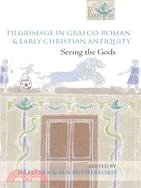
This book presents a range of case-studies of pilgrimage in Graeco-Roman antiquity, drawing on a wide variety of evidence. It rejects the usual reluctance to accept the category of pilgrimage in paga
This book presents a range of case-studies of pilgrimage in Graeco-Roman antiquity, drawing on a wide variety of evidence. It rejects the usual reluctance to accept the category of pilgrimage in paga
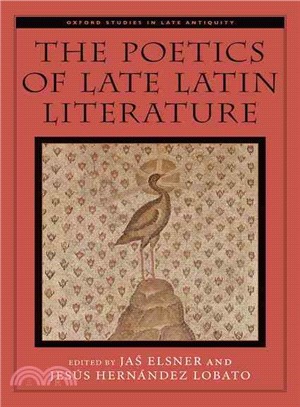
The aesthetic changes in late Roman literature speak to the foundations of modern Western culture. The dawn of a modern way of being in the world, one that most Europeans and Americans would recognize
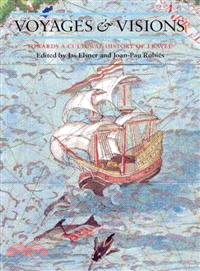
A much-needed contribution to the expanding interest in the history of travel and travel writing, Voyages and Visions is the first attempt to sketch a cultural history of travel from the sixteenth cen
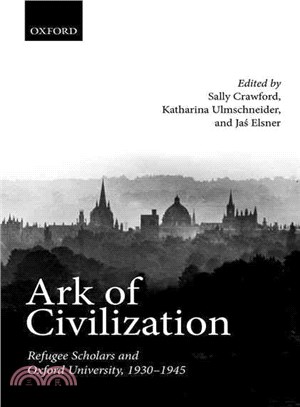
In the opening decades of the twentieth century, Germany was at the cutting edge of arts and humanities scholarship across Europe. However, when many of its key thinkers--leaders in their fields in cl
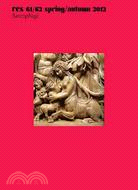
Res 61/62, Sarcophagi, is guest edited by Wu Hung and Jas Elsner. It includes “Chinese coffins from the first millennium b.c. and early images of the afterworld” by Alain Thote; “Art and personhood” b
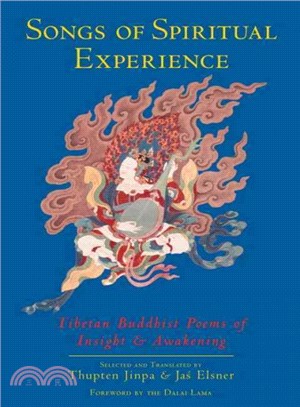
A remarkable collection of Tibetan religious verse--of interest to students of any spiritual tradition. The first major anthology of Tibetan spiritual poetry available in the West, Songs of Spirit
Pausanias, the Greek historian and traveler, lived and wrote around the second century AD, during the period when Greece had fallen peacefully to the Roman Empire. While fragments from this period abo
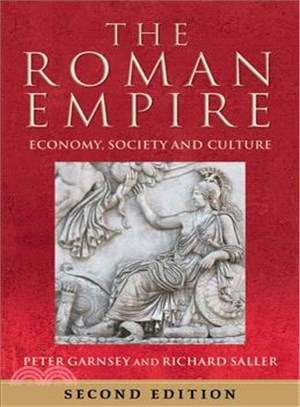
During the Principate (roughly 27 BCE to 235 CE), when the empire reached its maximum extent, Roman society and culture were radically transformed. But how was the vast territory of the empire control
Polemon of Laodicea (near modern Denizli, south-west Turkey) was a wealthy Greek aristocrat and a key member of the intellectual movement known as the Second Sophistic. Among his works was the Physiog
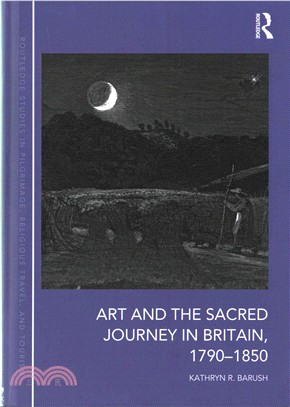
The practice of walking to a sacred space for personal and spiritual transformation has long held a place in the British imagination. In the late 18th and early 19th centuries the notion of the transf
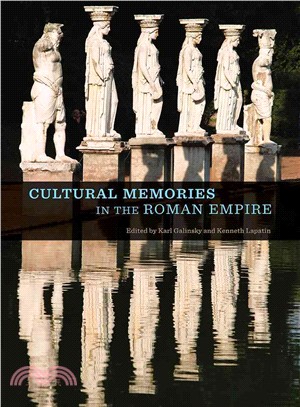
Memory studies — one of the most vibrant research fields of the present day — brings together such diverse disciplines as art and archaeology, history, religion, literature, sociology, media studies,
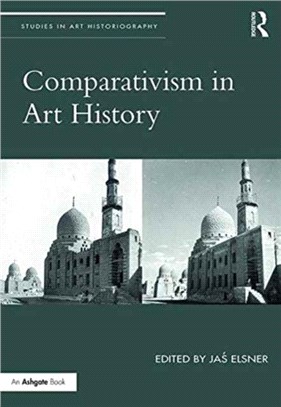
Featuring some of the major voices in the world of art history, this volume explores the methodological aspects of comparison in the historiography of the discipline. The essays assess the strengths a