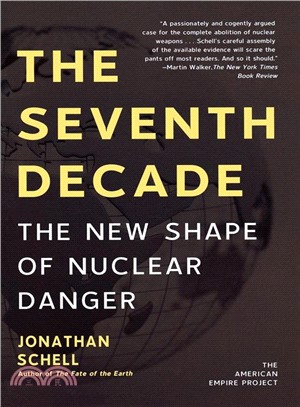
From the bestselling author of The Fate of the Earth, a provocative look at the urgent threat posed by America’s new nuclear policiesWhen the cold war ended, many Americans believed the nuclear
"This book mounts perhaps the most impressive argument ever made that there exists a viable and desirable alternative to the continued reliance on war." -The New York Times At times of global
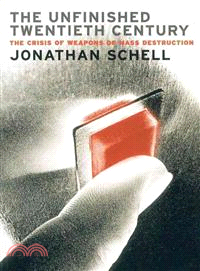
In this work, Jonathan Schell, the author of The Fate of the Earth, proposes that the defining characteristic of the twentieth century was the uncontrolled acceleration of humankind's capacity for sel
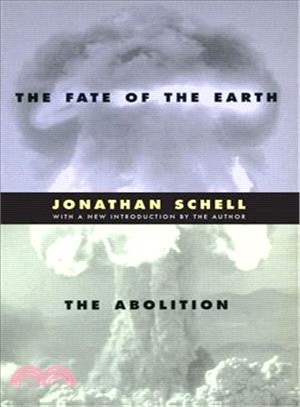
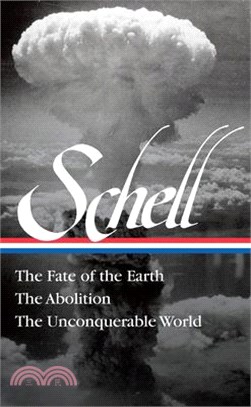
Antinuclear activist Schell published The Fate of the Earth in 1982 and The Abolition in 1984, both in The New Yorker Magazine . He introduces the single-volume edition with a 60-page essay setti
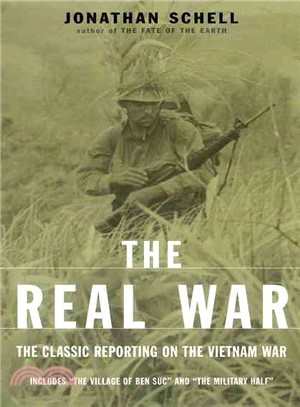
Jonathan Schell’s extraordinary on-the-scene writing about Vietnam has stood the test of time in our continuing attempt to understand how and why the United States went to war?and how and why it lost.
Jonathan Schell’s extraordinary on-the-scene writing about Vietnam has stood the test of time in our continuing attempt to understand how and why the United States went to war–and how and why it lost.
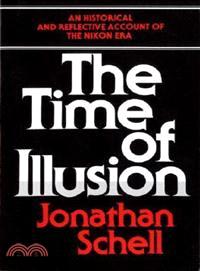
An analytical account of the nation's political life and key related events and presidential activities during the Nixon years, ascribing to them a logic, coherence, and meaning not discernable at the
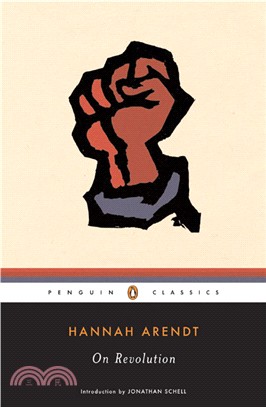
Tracing the gradual evolution of revolutions since the American and French examples, Arendt predicts the changing relationship between war and revolution and the crucial role such combustive movements
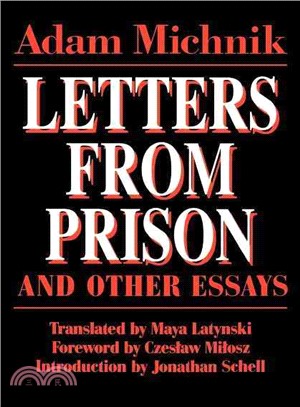
Among the voices that speak to us from Poland today, the most important may be that of Adam Michnik. Michnik now sits in a jail belonging to the totalitarian regime, yet his first concern--and h
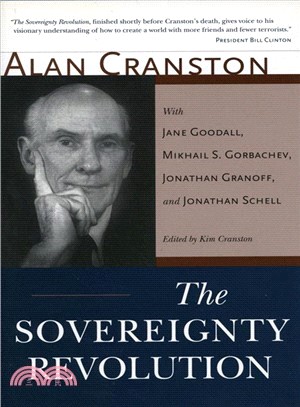
The Sovereignty Revolution is the late Senator Alan Cranston's analysis of the problems created by our current conception of sovereignty, "with every nation supreme inside its own borders and acknowle