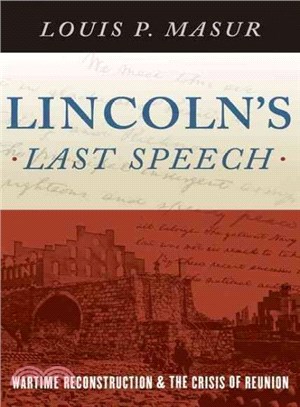
What did Abraham Lincoln envision when he talked about "reconstruction?" Assassinated in 1865, the president did not have a chance to begin the work of reconciling the North and South, nor to oversee
The third edition of The Autobiography of Benjamin Franklin, with Related Documents continues to encourage students to think about the work's lasting impact on American society and culture. Louis P. M
What did Abraham Lincoln envision when he talked about "reconstruction?" Assassinated in 1865, the president did not have a chance to begin the work of reconciling the North and Sout
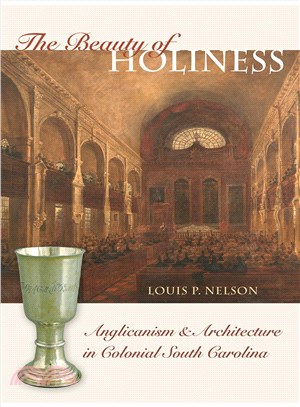
Intermingling architectural, cultural, and religious history, Louis Nelson reads Anglican architecture and decorative arts as documents of eighteenth-century religious practice and belief. InThe Beaut
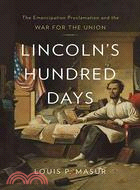
Assesses President Lincoln's leadership in the one hundred days preceding the signing of the Emancipation Proclamation, a period characterized by mounting deaths on the battlefield and heated national
Lincoln’s Hundred Days tells the story of the period between September 22, 1862, when Lincoln issued his preliminary Proclamation, and January 1, 1863, when he signed the significantly altered decree.
One hundred and fifty years after the first shots were fired on Fort Sumter, the Civil War still captivates the American imagination, and its reverberations continue to be felt throughout the nation'
Heidegger and Nietzsche: Overcoming Metaphysics charts Heidegger's course of the 1930s that culminates in his notorious confrontation with Nietzsche. During this period, Heidegger revisits some of phi
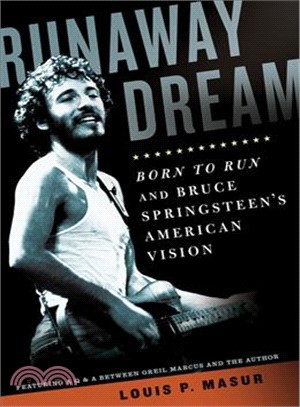
"In Runaway Dream, Louis P. Masur dissects the making of the albumand the legacy it has left behind with the meticulous eye of a scholar and the unabashed affection of a true fan." —Associated PressTo
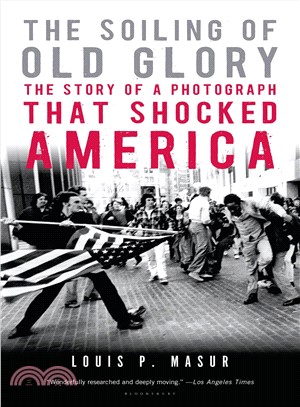
Sometimes a moment can change history. This one took 1/250th of a second. Boston, April 5, 1976. As the city simmered with racial tension over forced school busing, newsman Stanley Forman hurried to
"One of the nation's leading military ethicists, Louis P. Pojman, argues that globalization and cosmopolitanism motivate the need for greater international cooperation based on enforceable internation
Pojman (philosophy emeritus, US Military Academy, West Point) provides a text that goes deeper than the usual introductory work, while providing 31 clear chapters that cover a wide variety of philosop
Restore the foundations of moral order in America! Homosexual activists want their sexual lifestyles to be a civil right, but did you know that they seek to silence the truth about homosexuality and a
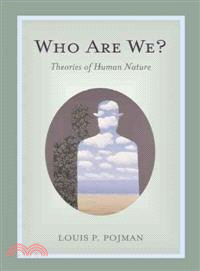
What is our nature? What is this enigma that we call human? Who are we? Since the dawn of human history, people have exhibited wildly contradictory qualities: good and evil, love and hate, strength an
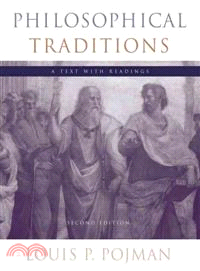
Pojman (philosophy, Cambridge U.) combines primary sources with analytic commentary to explain the vitality of philosophy and its history from the ancient Greeks to current practitioners. Pojman is ve
Written by a group of distinguished philosophers, theFoundations of Philosophy Series aims to exhibit some of the main problems in the various fields of philosophy at the present stage of philosophica
A suspenseful account of the first World Series of 1903 recounts the events surrounding the play-off between the National League Pittsburgh Pirates and the American League Boston Americans, describing
Louis Pojman's new HOW SHOULD WE LIVE? is a concise and engaging text that offers a provocative discussion of the central questions and theories in moral philosophy. Crafted by one of contemporary phi
An anthology of 64 philosophical articles on epistemology, ranging broadly in perspective, examines theories and justifications of knowledge (including a section on the philosophy of science). Pojman
1776, 1861, 1929. Any high-school student should know what these years meant to American history. But wars and economic disasters are not our only pivotal events, and other years have, in a quieter
Pojman (philosophy, US Military Academy, West Point) updates his textbook introducing the central concerns of epistemology to students with no more than an introductory course in philosophy. It can b
Selections from personal letters, diaries, and journal articles bring together wartime writings of fourteen writers, including Nathaniel Hawthorne, Harriet Beecher Stowe, and Frederick Douglass, and r
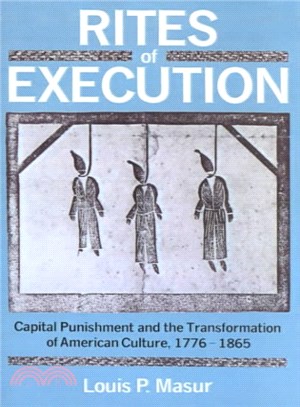
Between the seventeenth and nineteenth centuries, Western societies abandoned public executions in favor of private punishments, primarily confinement in penitentiaries and private executions. The tr