African-American soldiers played a decisive role in the US Army on the western frontier during the Plains Wars (1850-1891). First authorised by Congress in July 1866, they were organised into two cava
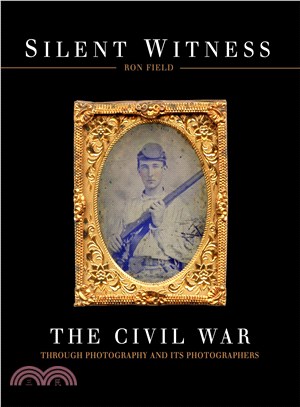
The Civil War changed America forever. It shaped its future and determined its place in history. For the first time in military history, the camera was there to record these seismic events from innova
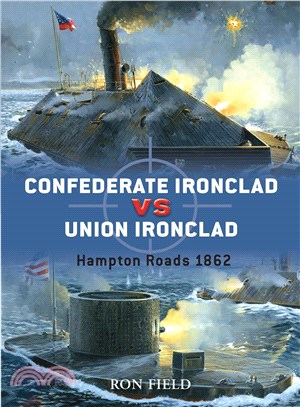
The ironclad was a revolutionary weapon of war, the first modern, armored, self-propelled warship. During the American Civil War the South used ironclads to protect its ports from the Northern blocka
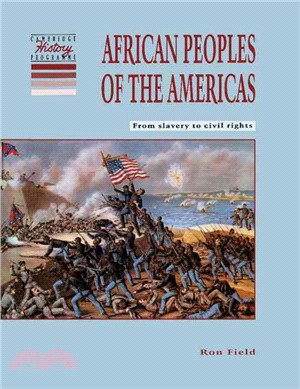
African Peoples of the Americas offers a well-researched and stimulating approach to the study of the experiences of Black Americans in the Caribbean and the U.S., with a focus on slavery, emancipatio
The first regular army regiments of African Americans were authorized by Congress in July 1866, and African American soldiers have played an important role in the conflicts of their country ever since
Featuring specially commissioned artwork and full-color maps, this absorbing study investigates the origins, fighting techniques, and battlefield performance of the combatants fighting on both sides d
This gripping study offers key insights into the tactics, leadership, combat performance, and subsequent reputations of Union and Confederate mounted units fighting in three pivotal cavalry actions of
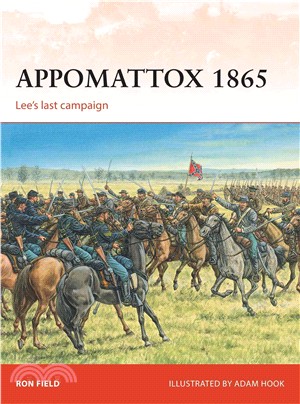
From an internationally renowned expert on US history, this highly illustrated title details the curtain-closing campaign of the Civil War in the East. Ulysses S. Grant's Army of the Potomac and Rober
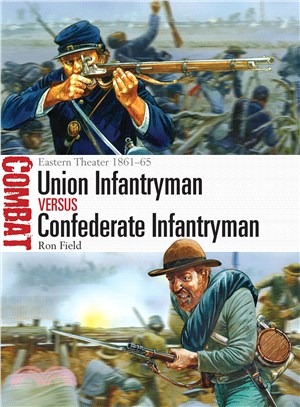
This book provides analysis and first-hand accounts of three major Civil War battles: 1st Bull Run/1st Manassas, Gettysburg and Chaffin's Farm from two perspectives. The enthusiastic but largely inexp
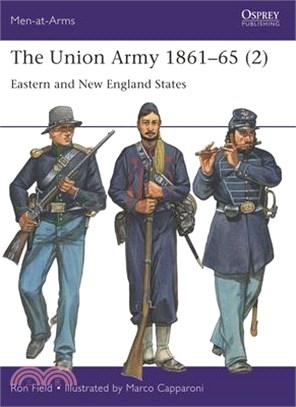
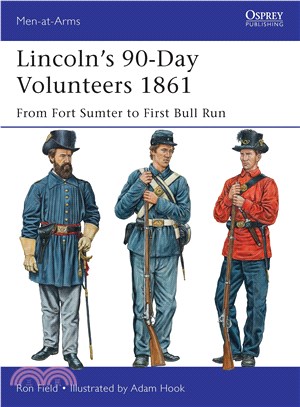
On April 15, the day after the fall of Fort Sumter, President Abraham Lincoln issued a call for 75,000 volunteers to enlist for three months' service to defend the Union. Featuring specially commiss
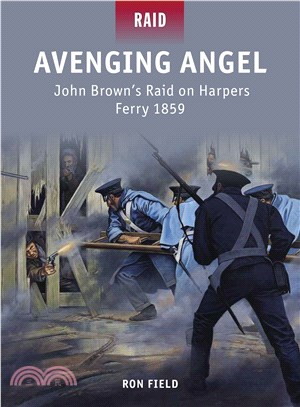
After decades of anti-slavery activity in nineteenth century America, the Abolitionists found a hero who martyred himself, resulting in the American Civil War.On October 16, 1859 John Brown led a smal
This title explores the contribution made by settlers, explorers, traders and goldseekers of various nations to the nascent architecture of the West Coast of the United States. In doing so, it charts
This book looks closely at the life, military experiences and key battlefield exploits of Giuseppe Garibaldi. Born on July 4, 1807 in the city of Nice, the turning point in his life occurred in April
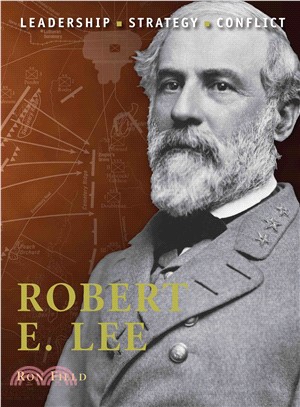
Robert E. Lee is widely recognized as the greatest commander in U.S. History. But why? In his new book, Ron Field, a member of the DC-based Company of Military Historians, seeks to convey the characte
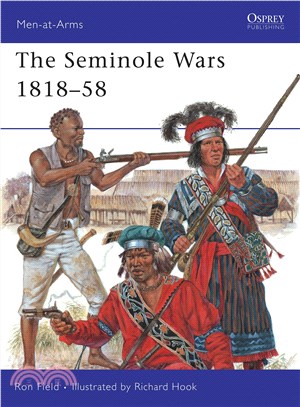
For 40 years, the Seminole people of Florida struggled against the United States' efforts to remove them from their homelands. In three separate wars, small war parties employed their mastery of Flor
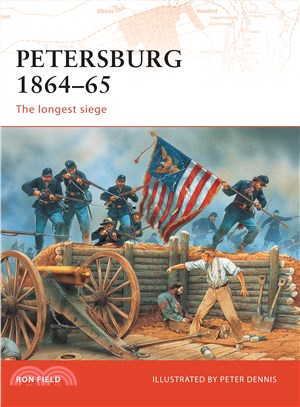
In 1864, Petersburg, Virginia became the setting for one of the last great campaigns of the American Civil War (1861-1865) and the longest siege in American History. After his failure to capture Richm
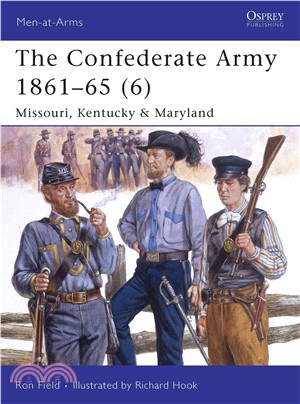
This book examines the variety of uniforms worn in the first half of the war by militia and volunteers from the divided border states of Missouri, Kentucky and Maryland, many of whom had to flee to T
The Mississippi River played a decisive role in the American Civil War. The Confederate fortifications that controlled the lower Mississippi valley were put to the test in the lengthy Federal campaign
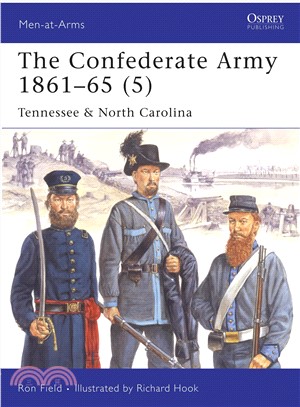
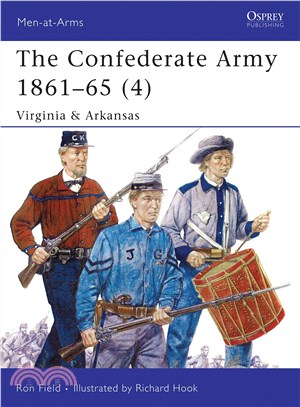
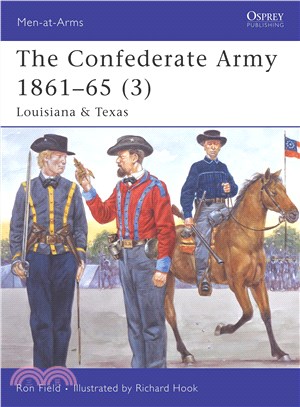
The common image of the Confederate Army during the Civil War is dominated by a limited number of early photographs of troops wearing the gray and butternut of the CS regulations and quartermaster is
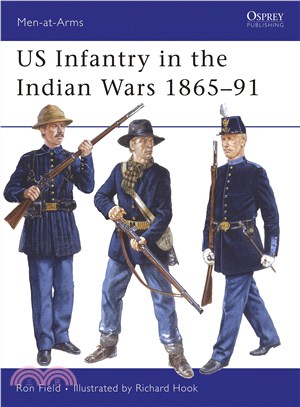
This book tells the story of the men that Crazy Horse called the "Walk-a-Heaps" - the hard-marching, long-suffering US infantry on the Frontier, whose importance has been overshadowed by the US Caval
During the early decades of the 19th century, the Southern Plains of the North American continent were only occasionally visited by explorers, trappers, traders, and missionaries. The first trading po
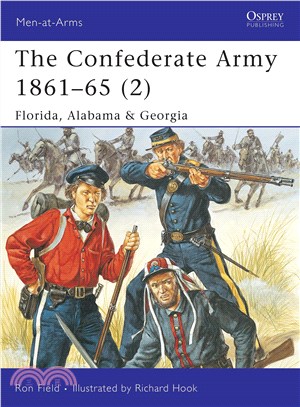
Despite modern perceptions of the overwhelming image of Confederate soldiers dressed in their classic battledress gray, the Southern states of the Confederacy fielded many units of volunteer troops we
The common image of the Confederate Army during the Civil War (1861-1865)?is dominated by a limited number of early photographs of officers and men wearing the gray and butternut associated with the C
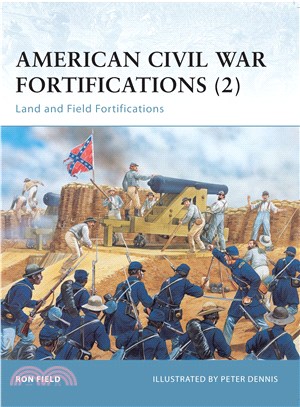
The American Civil War saw a massive development in the use of field fortifications, the result of the practical application of antebellum West-Point teaching, and the deadly impact of rifled infantry
The Buffalo Soldier played an important part in the US Army's operations during the “age of American Imperialism”, between 1898 and 1916. These men campaigned against the Spanish i
The common image of the Confederate Army during the Civil War (1861-1865)?is dominated by a limited number of early photographs of officers and men wearing the gray and butternut associated with the C
The common image of the Confederate Army during the Civil War (1861-1865) is dominated by a limited number of early photographs of soldiers wearing the gray and butternut associated with the CS regula
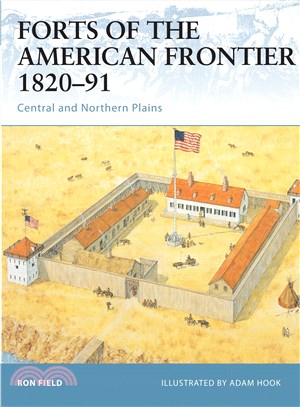
A major period of westward expansion took place in the United States during the first half of the 19th century. Fur trading, the coast-to-coast railroad, the California gold rush and the removal of Na
The part played in the Civil War (1861-1865) by the small Marine Corps of the United and Confederate States is overshadowed by the confrontations of the great armies. Nevertheless, the coastal and riv