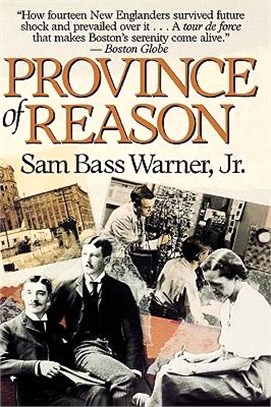
This book is about some of the largest events of the twentieth century, about international war, economic collapse, new science and technologies, and about the transformation of an old milltown region
This award-winning book charts the unfolding, from the Revolutionary War to the Great Depression, of the American tradition of city building and city living, using Philadelphia as a resonant example.
In the last third of the nineteenth century the American city grew from a crowded merchant town, in which neatly everybody walked to work, to the modern divided metropolis. The street railway created
American urban form--the spaces, places, and boundaries that define city life--hasbeen evolving since the first settlements of colonial days. The changing patterns of houses,buildings, streets, parks,
American urban form -- the spaces, places, and boundaries that define city life --has been evolving since the first settlements of colonial days. The changing patterns of houses,buildings, streets, pa
Planners face a controversial task because their professional role requires them to be spokespersons for the public interest. In a welter of conflicting pictures and voices, how might the public inter
Restorative gardens for the sick, which were a vital part of the healing process from the Middle Ages to the early twentieth century, provided ordered and beautiful settings in which patients could be
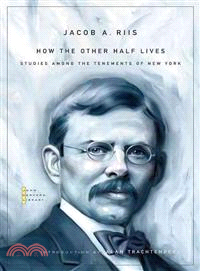
Since 1959 The John Harvard Library has been instrumental in publishing essential American writings in authoritative editions.Jacob Riis’s pioneering work of photojournalism takes its title from Rabel
How did educated Westerners make an enemy of an inspiration that has changed the lives of billions? Why is nationalism synonymous with atavism, fanaticism, xenophobia, and bloodshed? In this book, Rob
How did educated Westerners make an enemy of an inspiration that has changed the lives of billions? Why is nationalism synonymous with atavism, fanaticism, xenophobia, and bloodshed? In this book, Rob