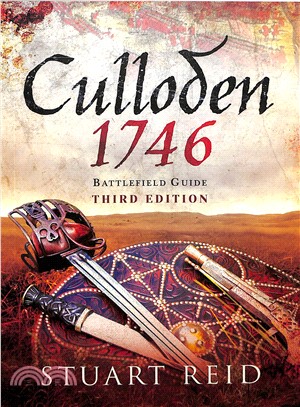
Culloden Moor is one of the most famous battles in British history and, for the Scots, the battle is pre-eminent, surpassing even Bannockburn. In this decisive and bloody encounter in 1746 the Duke of
The fifty-odd years of Scottish history dominated by the Jacobite Risings are amongst its most evocative and whilst the last battle, Culloden in 1746, is deservedly remembered as a national tragedy, t
Britain was rapidly emerging as the most powerful European nation, a position France long believed to be her own. Yet with France still commanding the largest continental army, Britain saw its best op
The fighting in Europe during the Seven Years War hung in the balance. After initial successes the Austro-French forces had been driven back across the Rhine. With the opposing sides reinforcing their
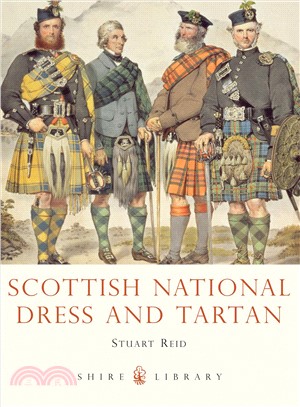
Tartan is an enormously popular pattern in modern fashion and Scottish National Dress is recognised around the world. This book reveals the origin and development of tartans and Scottish national cost
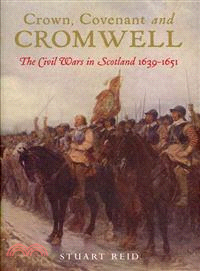
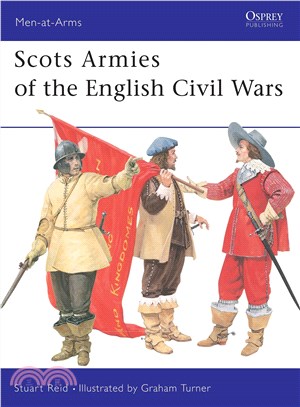
Crown, Covenant and Cromwell is a groundbreaking military history of the Great Civil War or rather the last Anglo-Scottish War as it was fought in Scotland and by Scottish armies in England between 16
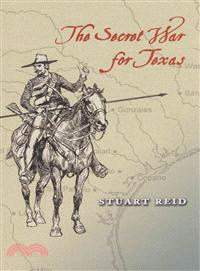
On the eve of the Texas uprising, only two things stood in the way of American ambitions to reach the Pacific Ocean: the British claim to the Oregon country and the vast but sparsely populated Mexica
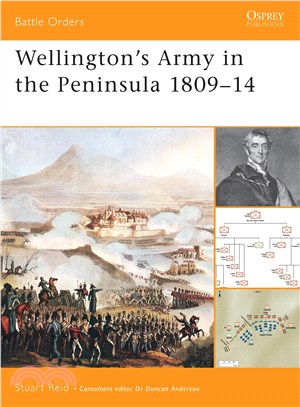
This highly detailed study provides a clear account of how the British Army was organised, who commanded it, and how it functioned in the field during the Peninsular War. Focusing principally on infan
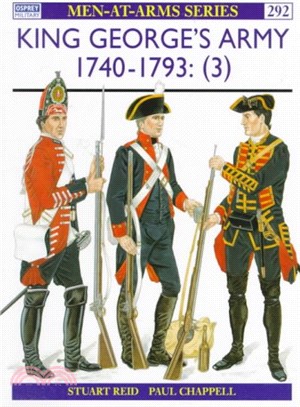
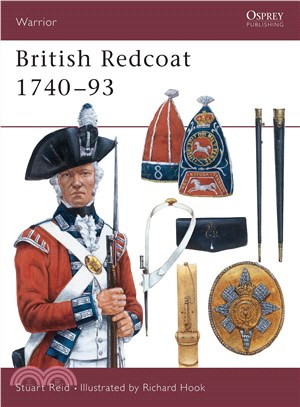
The 18th century was marked by a steady growth in central control of the British Army and a corresponding decrease in the influence enjoyed by individual commanding officers. The most obvious sign of
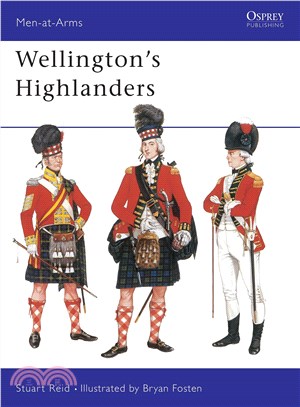
Ultimately, regiments are judged by their behaviour in battle; and highlanders have always had a reputation as 'stormers', as exemplified by the impetuous charge of the Gordons at Waterloo, intermingl
In 1783 the British army struggled home from North America in a shattered condition. It had acquitted itself well, but its regiments were now woefully understrength, and it was not until 1789 that the
Providing a unique glimpse into the experiences of regular British and French infantry in North America during the French and Indian War, this book reveals what it was like for soldiers fighting each
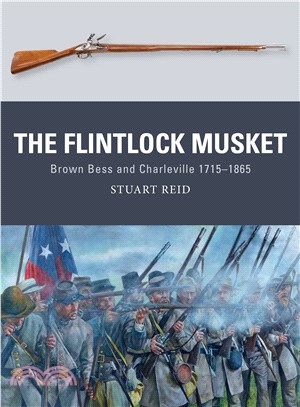
The flintlock or firelock musket is one of the truly iconic weapons in history: first used on the battlefields of the Thirty Years' War and the English Civil War, it was carried by both sides at Bunke
In August 1745 Charles Edward Stuart, the 'Young Pretender', landed in Scotland and sparked the Second Jacobite Rising. The Jacobite forces seized Perth, then Edinburgh, where they proclaimed the Youn
The forces of the East India Company were unique. Although the private army of a commercial organization, by the turn of the 19th century 'John Company' had a strong and disciplined army, larger than
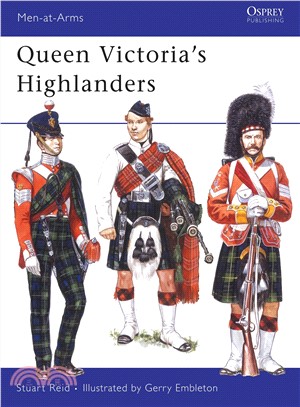
In 2006 the title 'Highlanders' finally disappeared from the British Army's list of infantry regiments after nearly 270 years. Throughout this period Scottish Highland units distinguished themselves i
Osprey's examination of the Scottish Jacobite army during the Jacobite Rising of 1745. The heart of this book is the story of Bonnie Prince Charlie's army at Culloden. It strips away the myth and expo
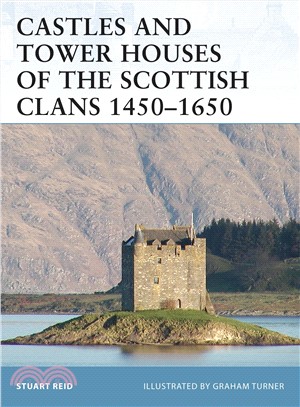
With the exception of the key royal sites, such as Stirling and Edinburgh, few Scottish castles were located at strategic points, or were intended to house garrisons required to defend or subjugate to
Osprey's study of the most famous battle of the Third English Civil War (1649-1651). Having already allied with his father, the Scots’ acceptance of Charles II as king in 1649 caused deep su
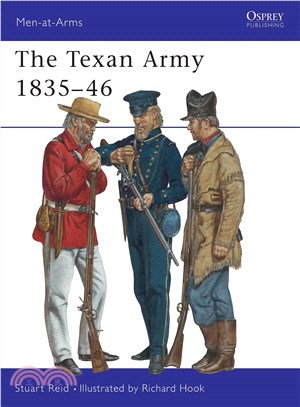
The volunteer army that fought the Mexican dictator Santa Anna from 1835 to 1836 was immortalized in the epic battle of the Alamo. Taking arms initially to fight for the restoration of the liberal Mex
In August 1644, at the height of the First English Civil War (1642-1646), John Graham, the Marquis of Montrose, raised the standard of Royalist rebellion in Scotland. In a single year he won a string
Osprey's study of the decisive battle of the French and Indian War (1754-1763). ‘What a scene!’ wrote Horace Walpole. ‘An army in the night dragging itself up a precipice by stumps of trees to assault
Osprey's study of the most important battle of the Jacobite Risings (1688-1746). The final demise of Jacobitism amid the slaughter of the Highland clans on a cold and damp Culloden Moor in April 1746
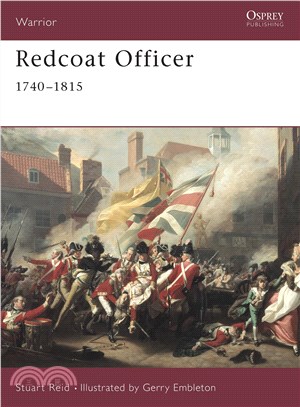
The commissioned officer ranks in the British Army from 1740-1815 were almost entirely composed of the affluent and educated - the sons of the landed gentry, the wealthy, and other professional people
In the summer of 1642 the First Civil War between king and parliament had broken out in England. Initially both sides were confident of victory, but after the first campaigns ended in stalemate they b
For nearly 60 years the clans of Highland Scotland proved to be an almost constant thorn in the side of a series of British monarchs. Fiercely independent, the clans comprised an agricultural peasantr
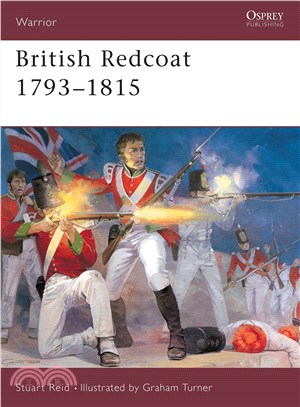
During this period, the British army earned itself a formidable reputation as a fighting force. However, due to its role as a police force at home, and demonisation by American propaganda during the A
The 18th century was marked by a steady growth in central control of the British Army and a corresponding decrease in the influence enjoyed by individual commanding officers. The most obvious sign of
Recruitment of the Scottish Highland regiments has been seen as blind obedience by traditional regimental historians, and as coercion by later authors. This work treads a middle ground in its examinat