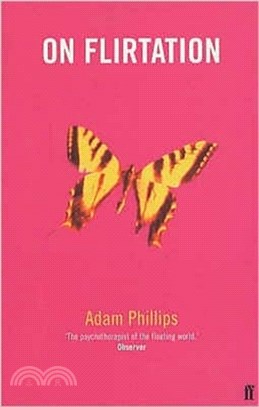
Adam Phillips uses the idea of flirtation to explore the virtues of being uncommitted - to people, to ideas, to methods - and the pleasures of uncertainty.
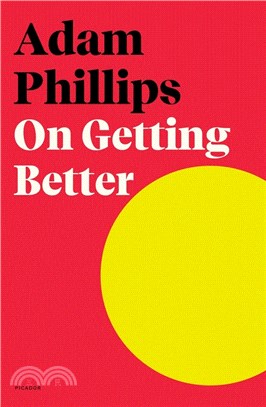
A thoughtful and compact book about self-improvement from Britain’s leading psychoanalyst, author of Missing Out and On Kindness.To talk about getting better―about wanting to change in ways that we mi
"Want to create studio-quality work and get noticed? Just coming off Flash and looking for a Toon Boom intro? Are you a traditional pencil-and-paper animator? From scene setup to the final render, lea
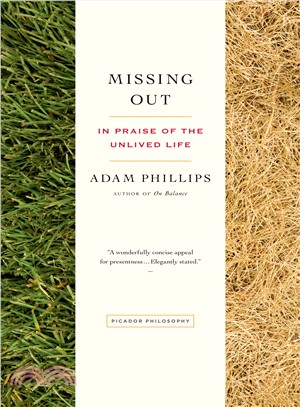
Stating that all people lead a parallel existence marked by a disparity between actual and desired lives that causes us to feel trapped by unmet needs and sacrifices, the author of Side Effects counse
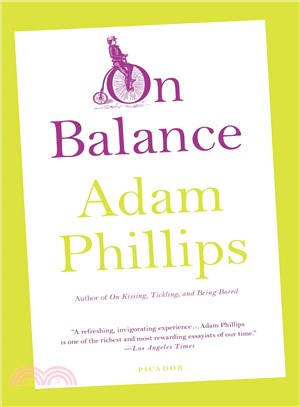
The psychological and philosophical implications of balance and excess are here explored by “one of the richest and most rewarding essayists of our time” (Los Angeles Times)Every day, we are told that
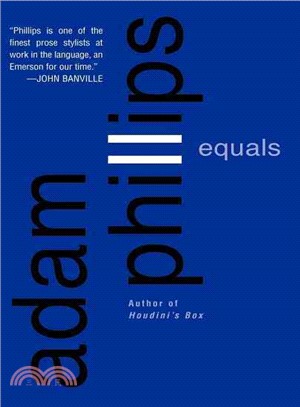
Written in his beloved epigrammatic and aphoristic style, Equals extends Adam Phillips's probings into the psychological and the political, bringing his trenchant wit to such subjects as the usefulnes
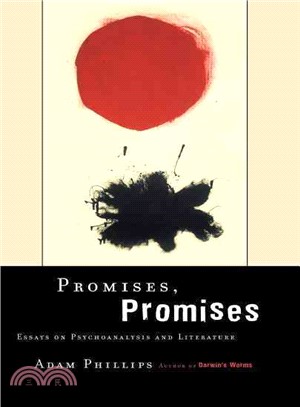
This is a collection of essays that sets out to make and break the links between psychoanalysis and literature. It gives insights into anorexia and cloning, the work of Tom Stoppard and A.E. Housman,
This text explores the lives of four different escape artists: a little girl playing her own wayward version of hide and seek; Harry Houdini who electrifies the world through a series of escapes; a ma
Adam Phillips, "the closest thing we have to a philosopher of happiness," brings us a dazzling roundup of provocative essays on psychoanalysis and literature.
Adam Phillips has been called "the psychotherapist of the floating world" and "the closest thing we have to a philosopher of happiness." His style is epigrammatic; his intelligence, electric. His new
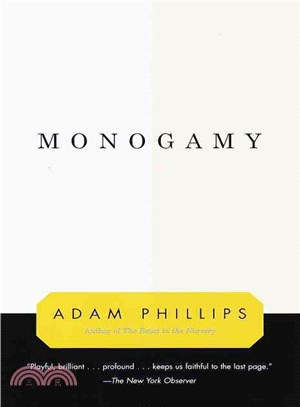
In this sparkling, provocative collection of meditations on coupledom and its discontents, Adam Phillips manages to unsettle one of our most dearly held ideals, that of the monogamous couple, by specu
Iris Murdoch once suggested that to understand any philosopher's work we must ask what he or she is frightened of. To understand any psychoanalyst's work--both as a clinician and as a writer--we shoul
A discussion of ways in which we may be terrorized by experts, and of the idea of expertise itself. The author challenges the conventional idea of the "self" as something to be known, and sets out to