In childhood, bell hooks was taught that "talking back" meant speaking as an equal to an authority figure and daring to disagree and/or have an opinion. In this collection of personal and theoretical
In the critical essays collected in Black Looks, bell hooks interrogates old narratives and argues for alternative ways to look at blackness, black subjectivity, and whiteness. Her focus is on spectat
For bell hooks, the best cultural criticism sees no need to separate politics from the pleasure of reading. Yearning collects together some of hooks's classic and early pieces of cultural criticism fr
In Sisters of the Yam, bell hooks reflects on the ways in which the emotional health of black women has been and continues to be impacted by sexism and racism. Desiring to create a context where black
What is feminism? In this short, accessible primer, bell hooks explores the nature of feminism and its positive promise to eliminate sexism, sexist exploitation, and oppression. With her characteristi
When Feminist Theory: From Margin to Center was first published in 1984, it was welcomed and praised by feminist thinkers who wanted a new vision. Even so, individual readers frequently found the theo
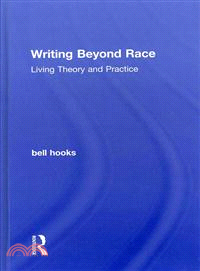
What are the conditions needed for our nation to bridge cultural and racial divides? By "writing beyond race," noted cultural critic bell hooks models the constructive ways scholars, activists, and re
In Teaching Critical Thinking, renowned cultural critic and progressive educator bell hooks addresses some of the most compelling issues facing teachers in and out of the classroom today.In a series o
What does it mean to call a place home? Who is allowed to become a member of a community? When can we say that we truly belong?These are some of the questions of place and belonging that renowned cult
Discusses what black males fear most, their longing for intimacy, the pitfalls of patriarchy, and the destruction of oppression through redemption and love.
Drawing on both her roots in Kentucky and her adventures with Manhattan Coop boards, Where We Stand is a successful black woman's reflection--personal, straight forward, and rigorously honest--on how