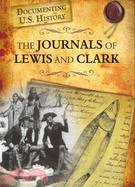
Presents a history of the journals of Lewis and Clark, covering President Jefferson's intent for the explorers, and explains how the American Philosophical Society protects the original work.
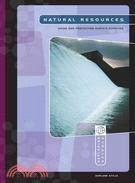
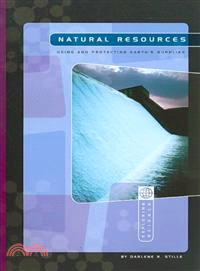
Explores the different types of natural resources, including renewable and nonrenewable and discusses conservation of resources and alternative sources.
Gym is just gym, there's no science involved, right? That goes on somewhere else. Wrong! Science is at work when you balance on a beam, whack a baseball, sprint across a field, or slam dunk a basketba
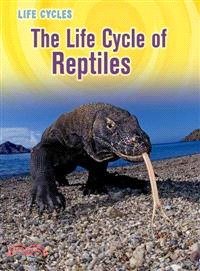
Introduces the main kinds of reptiles--lizards and snakes, turtles and tortoises, crocodilians, and tuataras--and explains how they are born, grow, move, protect themselves, and reproduce, where and h
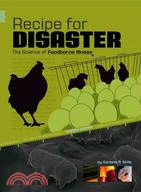
Discusses how certain viruses and bacteria can live and spread in food, leading to contaminations and outbreaks of illnesses in both animals and humans, and explains how to prevent foodborne illness w
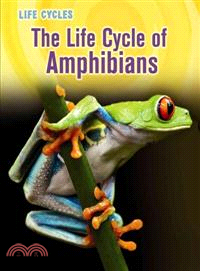
Introduces the main kinds of amphibians--frogs, toads, salamanders, and caecilians--and explains how they are born, grow, move, eat, protect themselves, and reproduce, and where they live.
"Describes chemical changes, including the role of atoms and molecules, and highlights some of the commercial and consumer products that result from chemical change, such as plastics and dyes."
Explains how genes and heredity are linked, how this information can be used to breed specific kinds of plants and animals, and the ethics involved in genetically engineering plants, animals, and huma
Explains how genes and heredity are linked, how this information can be used to breed specific kinds of plants and animals, and the ethics involved in genetically engineering plants, animals, and huma
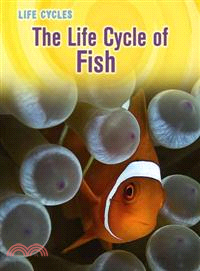
Introduces the main kinds of fish--jawless and jawed, and those with cartilage or bony skeletons--and explains how they are born, where they live, their enemies, and how they eat, protect themselves,
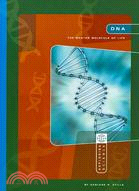
Explains the link between DNA, genetics, and heredity, describes how DNA works using RNA, and presents the applications of using DNA in forensic science and genetic engineering.
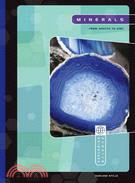
Describes the elements, classes, and properties of minerals including color, streak, luster, hardness, and cleavage. Also explains minerals found in rocks such as feldspar, quartz and calcite.
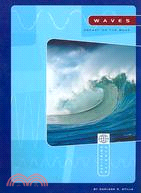
Describes what waves are and how they impact human life, including ocean waves, shock waves, sound waves, light or electromagnetic waves, radio waves, and earthquake waves.
"Describes some of the different kinds of Earth's natural resources including air, water, soil, and the sun, and explains some nonrenewable natural resources including the fossil fuels of coal, natura
Presents the life and accomplishments of the spouse of Argentinian president Juan Peraon, chronicling her life of poverty as a child, her rise as an actress, her marriage, her work among the poor, and
"Describes the process of erosion, including how the power of wind, water, and glaciers have changed the Earth's surface. Includes information on fossils."
The devastating effects of earthquakes have been seen throughout history, and the damage of these ground trembling natural disasters still creates havoc today. Scientists are developing new instrument
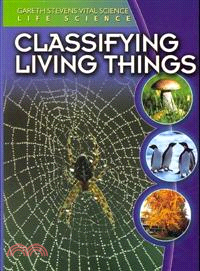
Gareth Stevens Vital Science books are designed to help prepare students for NCLB science testing. The eight volumes in Life Science use clear language and a variety of photographs, illustrations, an
From the tiniest butterfly to the largest elephant, all animals are made up of cells. Readers will discover the amazing realities behind these microscopic creatures with vibrant pictures and simple di
While offering clear, step-by-step explanations of scientific principles, the titles in this series also discuss the social significance and history of each subject using the most up-to-date research
While offering clear, step-by-step explanations of scientific principles, the titles in this series also discuss the social significance and history of each subject using the most up-to-date research