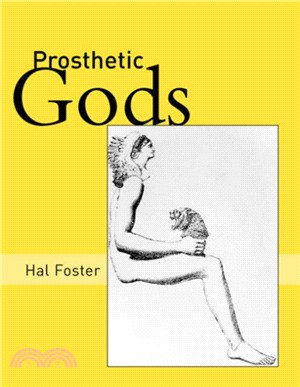
After the dominant models of art-as-text in the 1970s and are now witness to a "return to the real" - to art and theory that seek to be grounded in bodies and sites, identities and communities. Foster
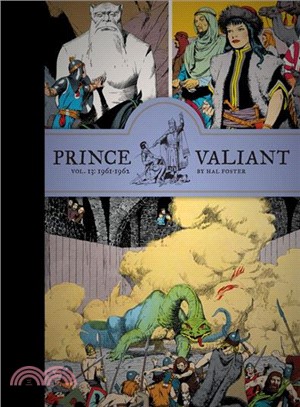
In the thirteenth volume of Hal Foster’s award-winning, New York Times best-selling, legendary masterpiece, Val's son Arn is kidnapped and daringly rescued. When Val returns home, he greeted by the ne
Hal Foster is in five artistic Halls of Fame—more than any other cartoonist or illustrator. Fantagraphics’ recent reprints of the Prince Valiant strip have received international acclaim, and now we a
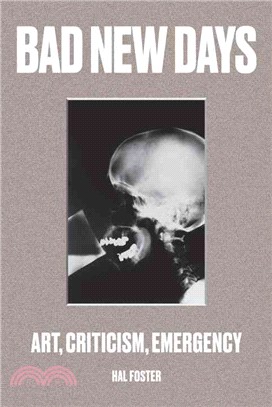
One of the world’s leading art theorists dissects a quarter century of artistic practiceBad New Days looks back at the last twenty-five years of artistic practice in Western Europe and North America,
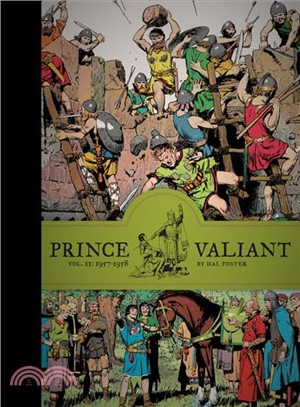
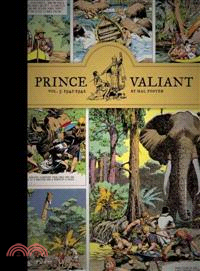
The eleventh volume of Fantagraphics award-winning Prince Valiant series concludes our heroes’ adventures in Cornwall, and marks the first appearance of Arvak the Red Stallion. At the Council of Kings
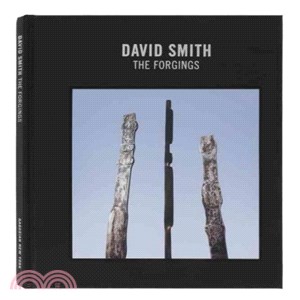
The Forgings, the groundbreaking series of industrially forged steel sculptures that the artist produced in 1955 and 1956, are brought together in one book for the first time, alongside complementary
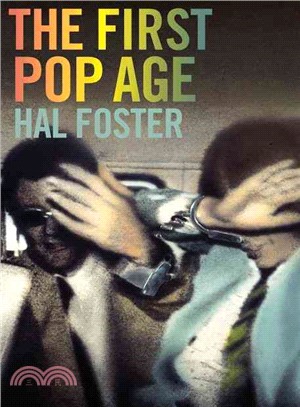
Who branded painting in the Pop age more brazenly than Richard Hamilton, Roy Lichtenstein, Andy Warhol, Gerhard Richter, and Ed Ruscha? And who probed the Pop revolution in image and identity more int
Established following the 125th anniversary of the Chair of Fine Art at the University of Edinburgh and named after the painter Sir John Watson Gordon, the Watson Gordon Lectures Typify the long-stand
With this volume, Foster reaches (by common critical consensus) the peak ofhis drawing and storytelling prowess—a peak at which he will remains for mostof the run of this glorious strip.Almost
The most stunningly gorgeous adventure comic strip of all time finallyreturns in its definitive edition, the first to boast superb restoredartwork that captures every delicate line and chromatic nuan
Foster begins with the primitivist fantasies of Gauguin and Picasso, which he examines through the Freudian lens of the primal scene. He then turns to the purist obsessions of the Viennese architect L