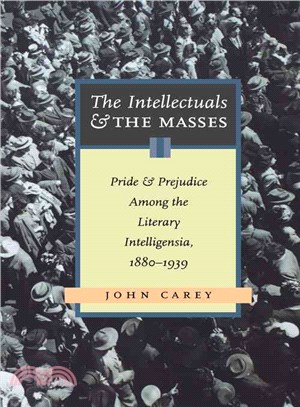
Yeats and other canonized writers, he relates this to the cult of the Nietzschean Superman, which found its ultimate exponent in Hitler. Carey's assault on the founders of modern culture caused cons
In this landmark study, John Carey analyzes the elitest views of some of the most highly respected literary icons of the late 19th and early 20th centuries. This book, as defined in his preface, "is a
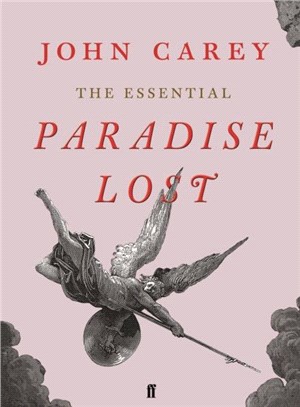
After its publication in 1667, John Milton’s Paradise Lost was celebrated throughout Europe as a supreme achievement of the human spirit. Now it is little read. To bring readers back to Milton’s maste
A funny memoir of John Carey, best known for his provocative stance on the arts and the academic establishment. It shows his journey from an ordinary background to Oxford's oldest literary professorsh
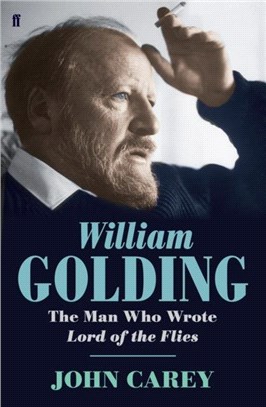
William Golding was born in 1911 and educated at his local grammar school and Brasenose College, Oxford. Lord of the Flies, his first novel, was an immediate success, and was followed by a series of r
William Golding was born in 1911 and educated at his local grammar school and Brasenose College, Oxford. Lord of the Flies, his first novel, was an immediate success, and was followed by a series of r
From one of the country's most eminent reviewers and academics, a delightfully sceptical and devastatingly intelligent assessment of the true value of art.
So too are today's experts - Steve Jones on the Human Genome Project, Richard Dawkins on DNA and many other representatives of the contemporary genre of popular science-writing which, John Carey argue
An experienced and imaginative anthologist, editor of The Faber Book of Reportage and The Faber Book of Science, Carey has gathered together a vast range of texts from Ancient Egypt to modern Californ
What was it like to be caught in the firestorm that destroyed Pompeii? John Carey's best-selling Faber Book of Reportage draws its eyewitness account from memoirs, travel books and newspapers. There
Hailed as "exhilarating and suggestive" (Spectator), "thought-provoking and entertaining" (David Lodge, Sunday Times), and "incisive and inspirational" (Guardian), What Good are the Arts? offers a de
In 1954 William Golding was 43 years old and a nobody. He had been demobbed from the navy at the end of World War Two and returned to his pre-war job teaching English at Bishop Wordsworth’s Scho
Does strolling through an art museum, admiring the old masters, improve us morally and spiritually? Would government subsidies of "high art" (such as big-city opera houses) be better spent on local c
What is poetry? If music is sound organized in a particular way, poetry is a way of organizing language. It is language made special so that it will be remembered and valued. It does not always work—o
This book is a study of the rich and fascinating traditions found early Irish literature concerning smiths and the fashioning of metal. The smith had a special status within the traditional societies