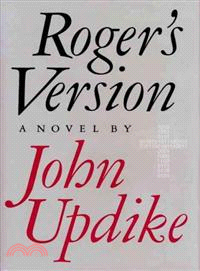
A born-again computer whiz kid bent on proving the existence of God on his computer meets a middle-aged divinity professor, Roger Lambert, who'd just as soon leave faith a mystery. Soon the computer h
"The fiftieth anniversary edition of John Updike's collection of semi-autobiographical stories about a small Pennsylania town, first published in paperback in 1964 and now in hardcover for the first t
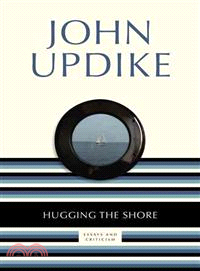
WINNER OF THE NATIONAL BOOK CRITICS CIRCLE AWARD “Writing criticism is to writing fiction and poetry as hugging the shore is to sailing in the open sea,” writes John Updike in his Foreword to this c
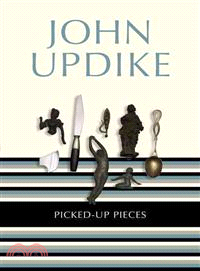
In John Updike’s second collection of assorted prose he comes into his own as a book reviewer; most of the pieces picked up here were first published in The New Yorker in the 1960s and early ’70s. If
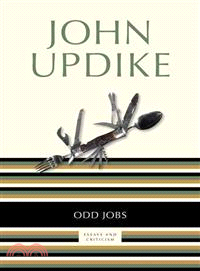
To complement his work as a fiction writer, John Updike accepted any number of odd jobs—book reviews and introductions, speeches and tributes, a “few paragraphs” on baseball or beauty or Borges—and sa
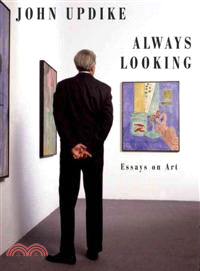
In this posthumous collection of John Updike’s art writings, a companion volume to the acclaimed Just Looking (1989) and Still Looking (2005), readers are again treated to “remarkably elegant essays”
John Updike’s first collection of nonfiction pieces, published in 1965 when the author was thirty-three, is a diverting and illuminating gambol through midcentury America and the writer’s youth. It op
Sarah Worth, alias S., leaves her New England home and family to join a Hindu religious commune in Arizona where she falls in love with the spiritual leader, Arhat
Trista+a1o, an African-Brazilian street kid, and Isabel, an upper-class teen fresh from convent school, fall in love and flee from her rich father and the toughs he has sent in pursuit of them. Simult
In Greenwood, Connecticut, during the period of the Kennedy administration, Jerry and Sally, both married, have an affair charged with doubts, subtle intensities, and a deep sense of caring
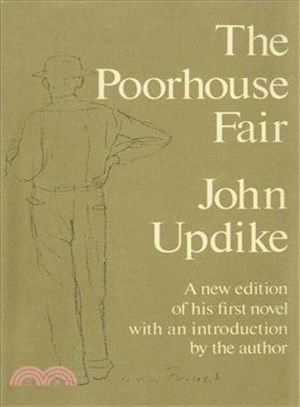
THE POORHOUSE FAIR was John Updike's first full length novel, published four years after he graduated from Harvard. It concerns the events surrounding a fair put on by members of a poorhouse and is an
WHEN, five years and five books of fiction ago, THE CARPENTERED HEN, John Updike’s first collection of verse, was published, Phyllis McGinley wrote: “I have been happily reading Mr. Updike in The New
Stories that trace the decline and fall of a marriage, a history made up of the happiness of growing children and shared life, and the sadness of growing estrangement and the misunderstandings of love
In the boldly eclectic title poem of his collection, John Updike employs the meters of Dante, Spenser, Pope, Whitman, and Pound, as well as the pictographic tactics of concrete poetry, to take an inve