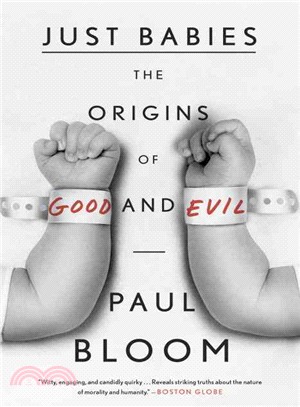
"A leading cognitive scientist argues that a deep sense of good and evil is bred in the bone. From Sigmund Freud to Lawrence Kohlberg, psychologists have long believed that we begin life as amoral an
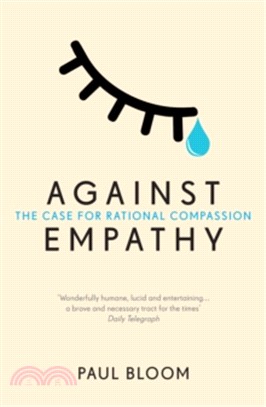
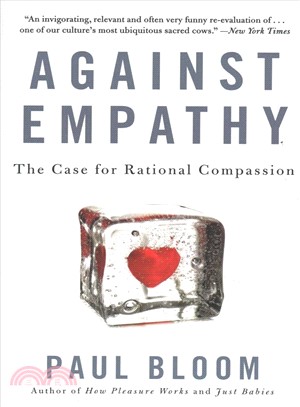
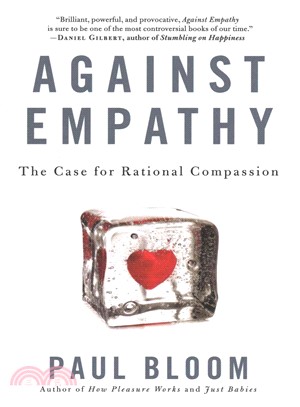
In a divided world, empathy is not the solution, it is the problem; Guiding us expertly through the experiments, case studies and arguments on all sides, Paul Bloom ultimately shows that some of our w
New York Post Best Book of 2016We often think of our capacity to experience the suffering of others as the ultimate source of goodness. Many of our wisest policy-makers, activists, scientists, and phi
A controversial call to arms, Against Empathy argues that the natural impulse to share the feelings of others can lead to immoral choices in both public policy and in our intimate relationships with f
Describes some of the activities that occur in the school library, including asking a librarian for help, using the computer, reading, being quiet, and taking out a book.
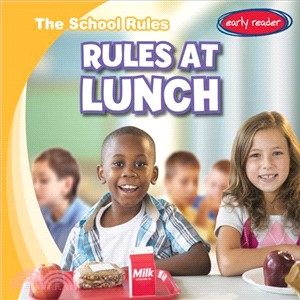
Explains some of the rules students should follow in the cafeteria at lunch, including being polite, cleaning up after eating, and throwing away garbage.
Explains some of the rules students should follow in the classroom, including listening to the teacher, working hard, being nice, and following directions.
Why is an artistic masterpiece worth millions more than a convincing forgery? Pleasure works in mysterious ways, as Paul Bloom reveals in this investigation of what we desire and why. Drawing on a wea
"Examines the science behind humans' strange and curious desires, attractions and tastes, covering everything from the animal instincts of sex and food to the uniquely human taste for art, music and s
All humans see the world in two fundamentally different ways: even babies have a rich understanding of both the physical and social worlds. They expect objects to obey principles of physics, and they
The study of the relationship between natural language and spatial cognition has the potential to yield answers to vexing questions about the nature of the mind, language, and culture. The fifteen ori
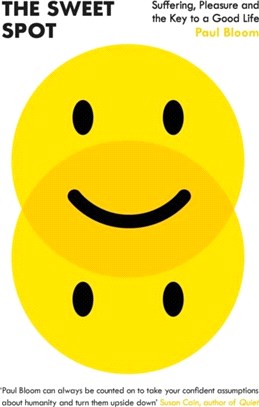
From the author of Against Empathy comes a different kind of happiness book, one that shows us how suffering is an essential source of both pleasure and meaning in our lives.Why do we so often seek ou
"A leading cognitive scientist argues that a deep sense of good and evil is bred in the bone. From Sigmund Freud to Lawrence Kohlberg, psychologists have long believed that we begin life as amoral an
How do children learn that the word "dog" refers not to all four-legged animals, and not just to Ralph, but to all members of a particular species? How do they learn the meanings of verbs like "think"
Language Acquisition offers, in one convenient reader, work by the most outstanding researchers in each field and is intended as a snapshot of the sort of theory and research taking place in language
The study of the relationship between natural language and spatial cognition has the potential to yield answers to vexing questions about the nature of the mind, language, and culture. The fifteen ori
Language Acquisition offers, in one convenient reader, work by the most outstanding researchers in each field and is intended as a snapshot of the sort of theory and research taking place in language