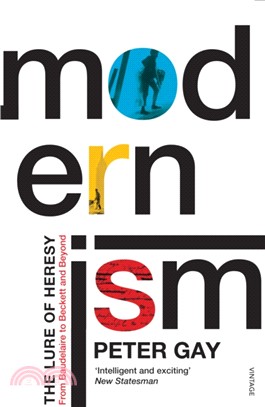
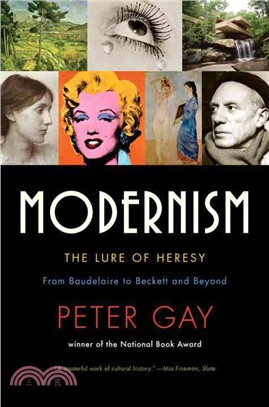
Peter Gay explores the shocking modernist rebellion that, beginning in the 1840s, transformed art, literature, music, and film. Modernism presents a thrilling pageant of heretics that includes Oscar W
Peter Gay's most ambitious endeavor since Freud explores the shocking modernist rebellion that, beginning in the 1840s, transformed art, literature, music, and film with its assault on traditiona
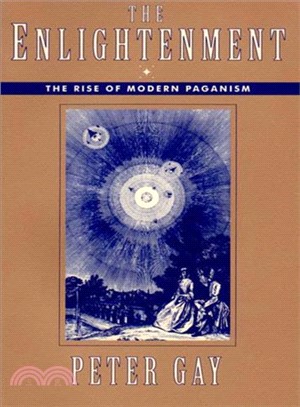
The eighteenth-century Enlightenment marks the beginning of the modernage, when the scientific method and belief in reason and progress cameto hold sway over the Western world.
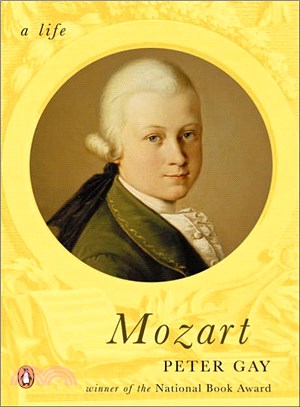
A biography of the greatest musical mind in Western history Mozart's unshakable hold on the public's consciousness can only be strengthened by historian and biographer Peter Gay's concise and deft loo
The respected historian and prolific author traces his youth as an assimilated, atheistic Jew during the early years of the Nazi regime, his family's increasingly urgent emigration in 1939, and his li
At the very time that industrialists, inventors, statesmen, and natural scientists were conquering new objective worlds, Gay writes, "the secret life of the self had grown into a favorite and who
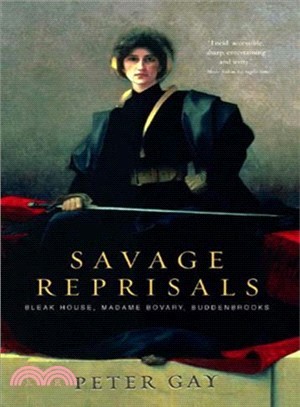
Focusing on three literary masterpieces--Charles Dickens's Bleak House, Gustave Flaubert's Madame Bovary and Thomas Mann's Buddenbrooks--the author of The Enlightenment explores the complex relationsh
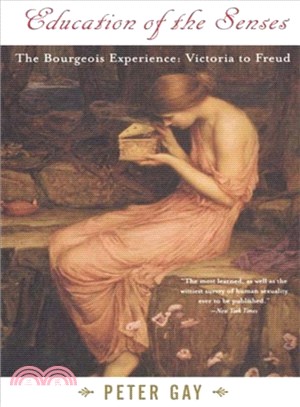
Education of the Senses draws on a vast array of primary sources to reexamine nineteenth-century sexual behavior, overturning a number of stereotypes, especially about women and sexuality.
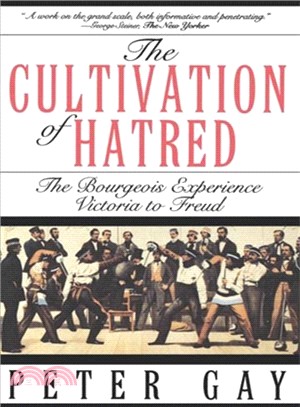
The author of the bestseller Freud presents a close examination of the aggression--and debate about aggression--that raged through the Victorian Age. Gay looks at the works of such figures as Theodore
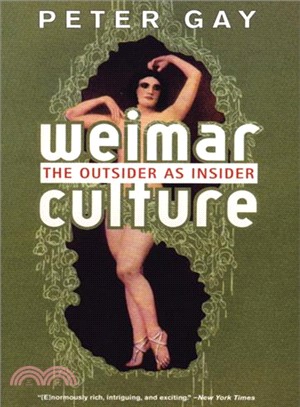
A seminal work as melodious and haunting as the era it chronicles, now reissued with a new introduction. First published in 1968, "Weimar Culture" is one of the masterworks of Peter Gay's distinguishe
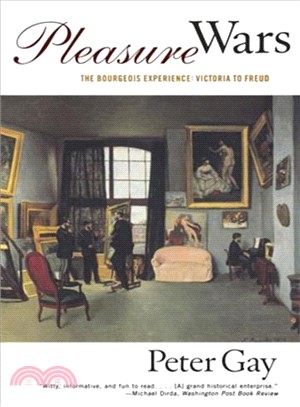
The concluding volume in Peter Gay's magisterial study of the European and American middle classes from the 1820s to the outbreak of World War I. The Victorians we meet in this volume range from the
?Why did none of the devout create psychoanalysis? Why did it have to wait for a completely godless Jew?” Freud once asked. In this book, the eminent historian and Freud scholar Peter Gay enters the
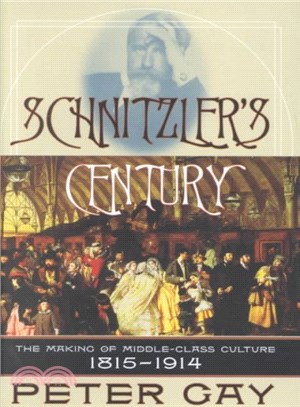
Documents the extraordinary rise of the middle class by focusing on Viennese playwright Arthur Schnitzler, who defined the mores of the nineteenth century, and challenges the many theories from such i