This book surveys the development of the T-26 as well as its combat record in the Spanish Civil War, the war in China, the border wars with Poland and Finland in 1939-40, and the disastrous battles of
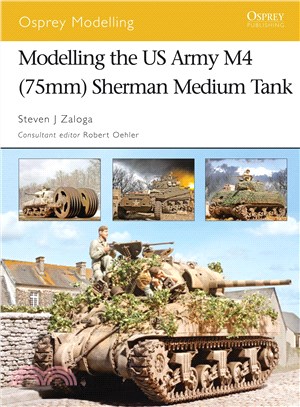
The Sherman tank was the principal US and Allied tank of World War II with more Shermans manufactured than all German tanks combined. Not only were large numbers manufactured, but there was a very wid
The Allied airborne and amphibious landings in Normandy on D-Day on June 6, 1944, opened up the long-awaited Second Front against Nazi Germany, but after overcoming the German coastal defenses at Utah
Carl Gustaf Emil Mannerheim is a legendary figure, whose life and career were deeply influential in Finnish and European history. He is viewed by many as the father of modern Finland after leading the
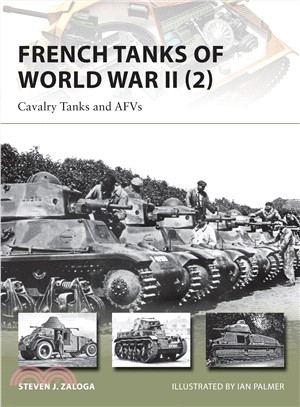
The design quality of France's armored vehicles is somewhat forgotten in light of the myth of superiority surrounding the German Panzers' role in the Blitzkrieg against France, Belgium and the Netherl
All the French medium and heavy tanks of 1940 are in this title: Renault FT, Renault R-35, FCM-36, Hotchkiss H.38, Char B1bis, Renault D-1, and Renault D-2.The first volume of this two part series wil
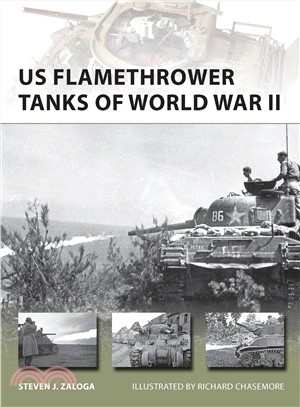
American experience, from D-Day to dug-in Japanese defenders, went from British Crocodile to E4-7, USMC Satan, and the many POA-CWS (Pacific Area Operation-Chemical Warfare Section) flamethrower tank
The US Marine Corps formed six tank battalions in World War II which saw combat in some of the most varied and extreme conditions of the Pacific theater. The Marine tank battalions fought on small cor
This fully illustrated study pits Germany's PzKpfw III tank against France's Somua S 35 in the vast armored battles that opened the campaign.The armor clashes in May 1940 were the biggest the world ha
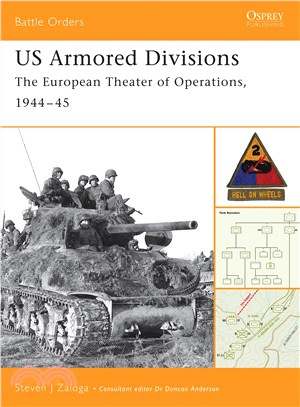
The armored divisions were the shock force of the US Army's combat formations during the fighting in Northwest Europe in the final year of the war. Of the 16 such divisions formed during the war, all
The first prototype for the LVT (Landing Vehicle Tracked) was completed in July 1941, its design based on the Alligator, a tracked amphibious vehicle developed for rescue operations in the swamps of F
Operation Husky, the Anglo-American amphibious landings on Sicily in July 1943 were the proving ground for all subsequent Allied amphibious operations including Salerno, Anzio, and D-Day in Normandy.