Opioids are potent respiratory depressants, and overdose is a leading cause of death among people who use them. Worldwide, an estimated 69,000 people die from opioid overdose each year. The number of
Integrating Community-Based Tuberculosis Activities into the Work of NGOs and other CSOsThe World Health Organization (WHO) released its operational guidance entitled Engage-TB - Integrating Community
This report is the first WHO publication of its kind and brings together what is known in a convenient form so that immediate actions can be taken. The report will increase the awareness of the public
Country health information systems provide a rich source of data on the burden of disease caused by tuberculosis (TB) and the effectiveness of programmatic efforts to reduce this burden, both of which
Neglected tropical diseases (NTDs) elimination and control efforts are recognized as one of the most cost-effective interventions in global health today. In addition to preventing and reducing disease
The Expert Committee on Specifications for Pharmaceutical Preparations works towards clear, independent and practical standards and guidelines for the quality assurance of medicines. Standards are dev
The Evaluation Practice Handbook offers comprehensive information and practical guidance on how to prepare for and conduct evaluations in WHO, and gives guidance on the utilization and follow-up of ev
The first part of the report contains a general discussion of the principles governing the toxicological evaluation of and assessment of dietary exposure to food additives. A summary follows of the Co
Increasing temperatures, sea-level rises, changes in precipitation patterns and extreme events are expected to increase a range of health risks, from the direct effects of heat-waves, floods and storm
There has been ongoing concern by MSM and transgender organizations that the transgender community in Asia and the Pacific has been ignored. At the request of transgender delegates at the 10th Interna
This Concise International Chemical Assessment Document (CICAD) provides summaries of the relevant scientific information concerning the potential effects of these chemicals upon human health and the
This report presents the recommendations of a WHO Expert Committee commissioned to coordinate activities leading to the adoption of international recommendations for the production and control of vacc
Monitoring health inequality is a practice that fosters accountability and continuous improvement within health systems. The cycle of health inequality monitoring helps to identify and track health di
In response to the growing concern about equity issues and their implications for overall development, WHO established the Commission on Social Determinants of Health (CSDH) in 2005, which focused on
This document presents the main findings of a research project requested by the Pan American Health Organization (PAHO), the WHO and the Ministry of Health of Mexico aimed at analyzing certain policy
Postpartum Haemorrhage (PPH) is commonly defined as a blood loss of 500 ml or more within 24 hours after birth. PPH is the leading cause of maternal mortality in low-income countries and the primary c
In its efforts to control tobacco use, Thailand has used taxation as a price measure and increased excise tax rates significantly over time. This report suggests that a mechanism to raise the price of
The school-based control of schistosomiasis and soil-transmitted helminth (STH) infections is of proven cost-effectiveness. This book describes an approach in which epidemiological data are used to se
This report gives recommendations and provides independent international standards and guidelines in the area of quality assurance for implementation by WHO Member States, international organizations,
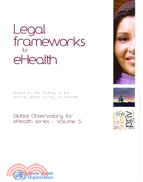
Given that privacy of the doctor-patient relationship is at the heart of good health care, and that the electronic health record (EHR) is at the heart of good eHealth practice, the question arises: Is
This World Health Organization publication reports on alcohol consumption, harm, and policy approaches in the European Union, using information gathered in 2011 to update key indicators on alcohol con
Adopting electronic recording and reporting is not simply about choosing a piece of software: it is also about changing how people work. This is not a simple undertaking. This document introduces the
The overall aim of the tool is to enhance coherence between international obligations and commitments on human rights and gender equality, the national legal, policy and insitutional frameworks, and t
Bisphenol A (BPA) is an industrial chemical that is widely used in the production of polycarbonate (PC) plastics (used in food contact materials, such as baby bottles and food containers) and epoxy re
This document is a call to action and a road map to halt the HIV and hepatitis epidemics among people in the Asia Pacific region who use drugs. It is a collective product prepared on behalf of the Uni
Mongolia was one of the first countries in the Western Pacific Region to implement IMCI and to successfully take it to scale. In particular, the Mongolian approach resulted in a common understanding b
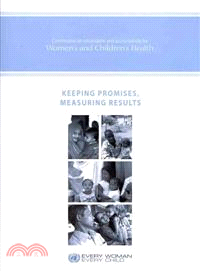
This is the report of the Commission for Information and Accountability for Women's and Children's Health to the United Nations. The Commission's ten recommendations focus on improving information for
What is now the Organization's International Health Regulations were first adopted in 1951 to monitor and control the international spread of six infectious diseases: cholera, plague, yellow fever, sm
Unsafe health care remains a problem of immense magnitude worldwide. The development of solutions and initiatives aimed at driving change towards greater patient safety has become a pressing need, and
The Asia-Pacific Strategy for Emerging Diseases (APSED) was launched in 2005 as a five-year strategy to set a common framework for countries and areas of the Asia Pacific region to strategically stren
Traditionally, little attention has been paid to sex and gender differences in infectious diseases. The general belief has been that since infectious diseases affect both males and females, it is best
In 2010, the Stop TB Partnership, the World Health Organization Stop TB Department and the Global Fund to Fight AIDS, Tuberculosis and Malaria jointly organized an expert meeting and workshop on opera
Hospitals are one of the essential institutions that must continue to function when an emergency event occurs. In spite of its importance, health facilities are themselves vulnerable to disasters and
This document provides technical support to Member States in the South-East Asia and Western Pacific Regions on the steps required to develop and effectively implement a national laboratory policy and
Household water treatment (HWT) is increasingly being promoted as a rapidly implementable and cost-effective interim approach to improve water quality. It is a key preventive component of the WHO/UNIC
The Atlas of Headache Disorders presents the findings of the first global enquiry into headache disorders and health-care resource allocation to headache, providing the most comprehensive compilation
This report reviews the current state of noncommunicable diseases (NCDs) around the world, focusing on cardiovascular diseases, cancer, diabetes, chronic respiratory disease, and obesity. Special atte
This report examines the plight of disabled people around the world, describes measures to improve accessibility and equality of opportunity, and makes recommendations for action at national and inter
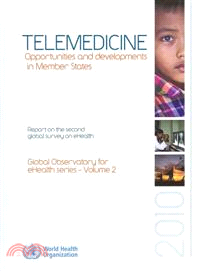
The eHealth series is primarily meant for government ministries of health, information technology, and telecommunications, as well as others working in eHealth — academics, researchers, eHealth profes
The product of a suite of contributors, this 4th edition includes a number of updates and revisions, additional risk assessments for new chemical and microbial substances, and an expanded focus on goo