The 10th International Symposium on Boat and Ship Archaeology was held in Roskilde, Denmark in 2003. The theme of the meeting was "Connected by the Sea", and was designed to emphasiz
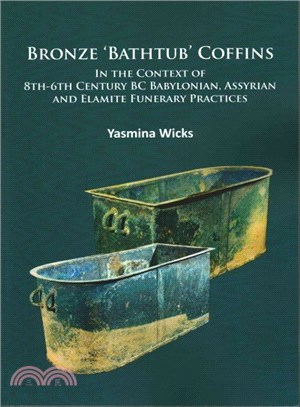
This volume is dedicated to a small number of unique bronze ‘bathtub' coffins found in 8th-6th century BC Babylonian, Assyrian and Elamite burial contexts. Usually treated as an incidental aspect of t
Archaeological investigations were carried out in 2006-9 on the north bank of the River Thames at Riverbank House, City of London, just upstream of the modern London Bridge and its medieva
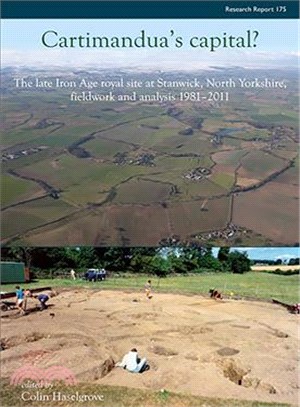
Famous for the excavations carried out by Sir Mortimer Wheeler in 1951-52, the late Iron Age earthwork complex at Stanwick, North Yorks, is the largest prehistoric site in northern England. The site w
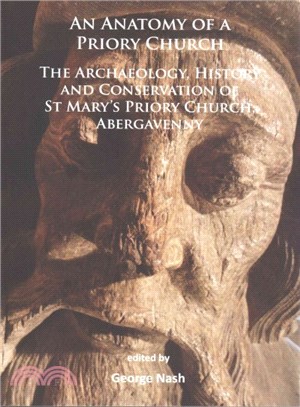
Based on documentary evidence, the Priory Church of St Marys in Abergavenny has been a place of worship since the late 11th century; archaeological evidence though suggests that the site has a much ea
Textual analysis together with its comparison to Greek, Egyptian and Mesopotamian literary sources, historical analysis, and also a comparative analysis with archaeological findings. It examines sourc
For both Maximus the Confessor (c. 580-662) and Jurgen Moltmann (b. 1926) understanding what it means to be human springs from a contemplative vision of God. This comparative study explores surprising
The aim of this thesis is to unfold the multilayered intersubjective experience of the author himself, a Chinese pastor. The author postulates himself as the subject in whom the said experience was ev
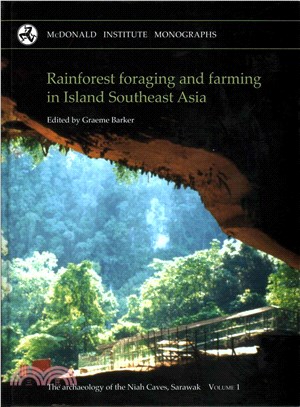
The cathedral-like Niah Caves of Sarawak (Borneo) have iconic status in the archaeology of Southeast Asia, because the excavations by Tom and Barbara Harrisson in the 1950s and 1960s revealed the long
The book systematically examines and compares a large sample of burials from the same region, Cambridgeshire and Bedfordshire, in the Roman and Anglo-Saxon periods.
Excavations on the south side of Cheapside found evidence for Roman timber buildings and pits dating to the later 1st and 2nd centuries AD, and a masonry building constructed after c AD 125. The main
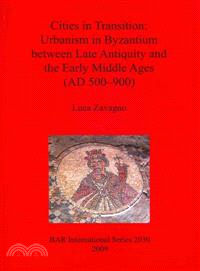
The study of early medieval towns has frequently concentrated on urban beginnings, the search for broadly applicable definitions of urban characteristics and the chronological development of towns. F
Written sources from the ancient Near East and eastern Mediterranean, from the third to the first millennia BC, provide a wealth of terms for textiles.
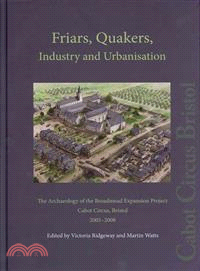
A report of an archeological dig made possible by the development of Cabot Circus (in Breadmead, a suburb of Bristol) shopping center, this hefty volume contains much information both developing pre-e
The book presents research mostly done by younger Russian scholars of ancient history to a readership that does not speak and read the Russian language.
Barrows, as burial markers, are ubiquitous throughout North-Western Europe. In some regions dense concentrations of monuments form peculiar configurations such as long alignments while in others they
Revising her 2005 doctoral dissertation at Harvard University, Smith uses the theory of othernesss as a framework for analyzing Luke's literary and discursive construction of character in Acts. She lo
This book examines how human interactions with animals, in particular now extinct cave bears (Ursus spelaeu), affected the social lives of prehistoric hunter-gatherers (hominins - Neanderthals and
The churches of St John and St Mary at Ephesos, Building D at Sardis, St John at Philadelphia, and the basilicas of Hierapolis illustrate the development of vaulted construction on the west coast of A
Most of the articles wore presented and discussed at the seminar Early Christianity between Judaism and Hellenism at the Annual Meeting of the European Association of Biblical Studies in Piliscsaba an
"The English landscape is extremely varied, due to geology, topography and climate, but also to the activities of human communities over several millennia. Scholars have long recognised patterns withi
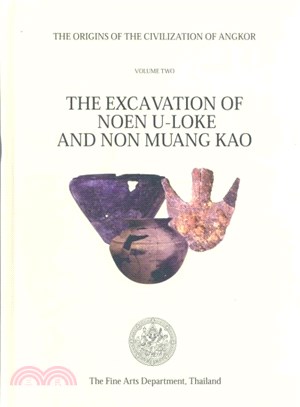
This substantial volume contains detailed reports and analysis of the excavations carried out at these two Iron Age sites in the 1990s. Both located in Thailand, Noen U-Loke was occupied for 800 years
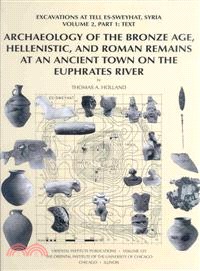
Holland (Oriental Institute of the U. of Chicago) present the final report from his Oriental Institute concerning the archaeological and landscape investigations at the Bronze Age settlement of Tell e
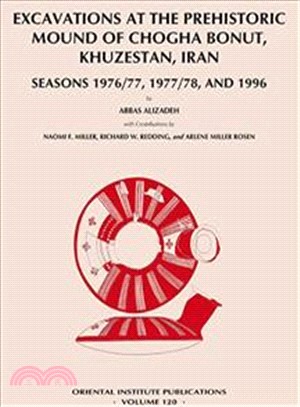
Lowland Susiana, in the modern-day province of Khuzestan, southwestern Iran, was a major contributor to the cultural development of the ancient Near East. Excavations at numerous sites in Susiana, but
This revised doctoral dissertation examines the sociopolitical and economic transformations that took place during the transition from the Bronze to Iron Age in Southern Britain. Based on three study
The investigations have produced evidence for 6,000 years of landscape and settlement evolution. Perhaps the most striking result is the evidence for continuity, rather than discontinuity, in the deve
Manetho's obscure reference to a race of invaders has been a constant source of debate and controversy. But who are these invaders? They are named the ‘Hyksos' - a Greek modification of the Egyptian e
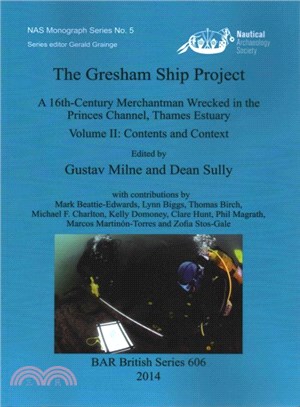
Sometime in the late 16th to early 17th century an armed merchantman foundered in the Thames Estuary. Forgotten for over four centuries, it was rediscovered in 2003 as the Port of London Authority beg
Four hundred years ago, on 28-February 1615, the University Library of Groningen was officially instituted. This book celebrates the four centuries during which the Library matured from a single room
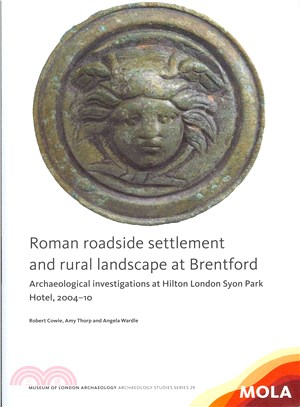
Excavations in Syon Park, Brentford, have made a substantial contribution to our knowledge of this Roman rural settlement on the London–Silchester road, by a ford across the Thames.
This volume groups together papers presented at a Commission 4 session at the XVI UISPP World Congress in Florianopolis, Brazil (4-10 September 2011), a UISPP commission 4 session in Leiden, The Nethe
This important and significant volume examines, for the first time, the ordinary people of Roman Britain. This overlooked group – the farmers, shopkeepers, labourers and others – fed the country, made
The United Nations Educational and Cultural Organization (UNESCO) entrusted author James Robinson with tracking down the place where the Nag Hammadi Codices had been discovered.
Heinrich Schliemann (1822-1890), a shrewd trader and later in life one of the best known archaeologists of the 19th century, made many travels around the world. He recorded his experiences in several
"Archaeological data from the Late Archaic, 4000-2000 years ago, in the Western Great Lakes are examined to understand the production and movement of copper and lithic exchange materials, access to an
Urban expansion and associated land-use changes negatively affect flood hazard and also increase flood exposure. The book provides a conceptual and methodological framework for the analysis of urban f