Describes life in and near the world's rivers, including how plants and animals survive, how people live on riverbanks, and what factors currently threaten river ecosystems.
Describes life in the wetland regions of the world, including how plants and animals survive, how people adapt to living in the regions, and what factors currently threaten wetlands.
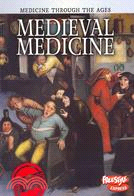
Looks at the history of medicine in the ancient world, examining how people faced new problems as their communities grew larger, and how physicians began to recognize that diseases might have natural
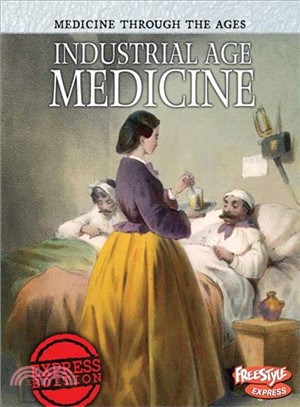
Shows how a wide range of inventions, developments, and other factors created ideal circumstances for medicine to make huge advances in the Industrial Age.
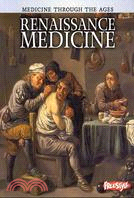
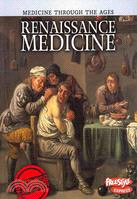
Looks at the new 'scientific' ways of learning and experimentation of the Renaissance period, to show what health and disease were like in the Old and New Worlds.
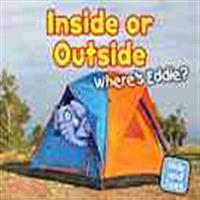
Teaches the difference between being inside or outside something by pointing out Eddie the elephant's location in relation to other objects on each page.
Looks at the scientific ways of learning and experimentation of the Renaissance period to show what health and disease were like in the Old and New Worlds.
Discusses how a wide range of inventions, developments, and other factors created ideal circumstances for medicine to make huge advances in the Industrial Age.
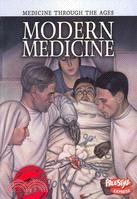
Describes the dramatic changes that have taken place in medicine since the start of the twentieth century, brought about by scientific discoveries and technological advances.
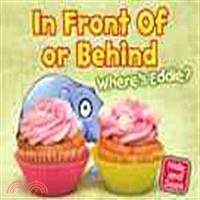
Teaches the difference between being in front of or behind something by pointing out Eddie the elephant's location in relation to other objects on each page.
Teaches the difference between being near or far from something by pointing out Eddie the elephant's location in relation to other objects on each page.
Presents an introduction to Earth, describing its formation as a planet, its structure, climate, the first appearance of life, and subsequent development of diverse species.
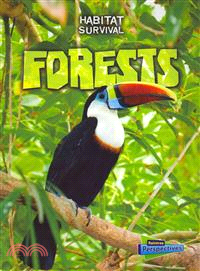
Examines the types of forests that cover the world, including information about their importance, their ecology, and the flora and fauna that inhabit them.
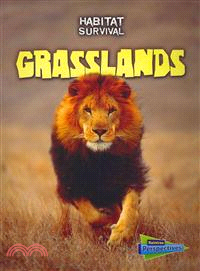
Describes life in the grassland regions of the world, including how plants and animals survive, how people adapt to living in the regions, and what factors currently threaten grassland ecosystems.
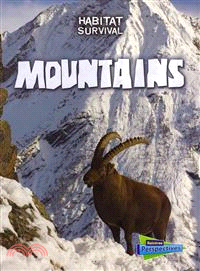
Describes life in the mountainous regions of the world, including how plants and animals survive, how people adapt to living in the regions, and what factors currently threaten mountain ecosystems.
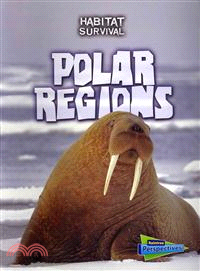
Describes life in the polar regions of the world, including how plants and animals survive, how people adapt to living in the regions, and what factors currently threaten polar ecosystems.
Suggests ways in which being able to write correctly and clearly may be useful in everyday life, and provides advice on each step of the writing process, from considering the potential reader through