What might the collections of Western art galleries look like today if a global understanding of art had informed their development? Subjecting its collection to a critical revision, the National Gall
A fragile form, offering great beauty and variety, reverse glass painting has fallen into oblivion in China, with no collections in museums and very few private collectors. Yet this decorative art enj
Europe is a maritime continent, its history and culture decisively shaped by the exploration and use of the surrounding seas. For Europeans, the sea has long served as a space of rule and trade, bridg
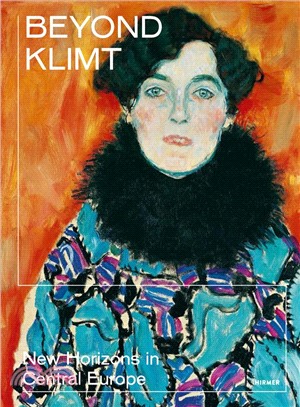
The year 1918 marked the end of a golden era in central European art. It was the year that Gustav Klimt, Egon Schiele, Koloman Moser, and Otto Wagner died. Artistic activity, however, had already begu
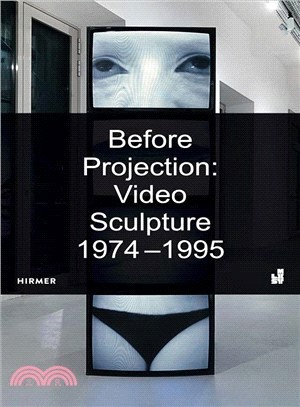
Before the days of smartphones, MacBooks, and Netflix, and even before AOL, Giga Pets, and Game Boys, there was a time when monitors were enormous, clunky, and utterly novel. This volume showcases sel
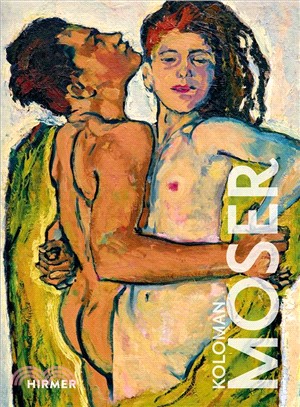
Admired by contemporaries as an artistic jack-of-all-trades, Koloman Moser (1868–1918) is regarded today as one of the most important representatives of the Viennese Secession art movement, alon
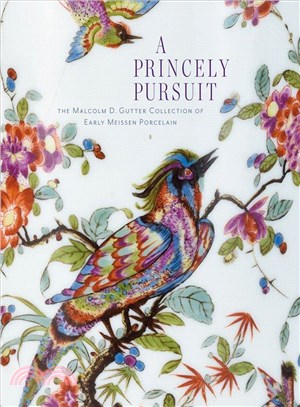
Through tremendous grit and research, Malcolm D. Gutter has been forming a remarkable porcelain collection over several decades, primarily on a professors salary. A Princely Pursuit presents more than
To photograph avant-garde architecture is its own particular art, requiring careful attention to geometry, composition, lighting, and the ineluctable feel of a created space. In his famous photographs
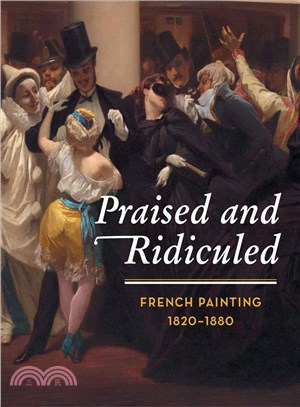
Romanticism, realism, impressionism―today these are the most important stylistic labels for French painting during the nineteenth century. Though celebrated today as precursors to modernism, Delacroix
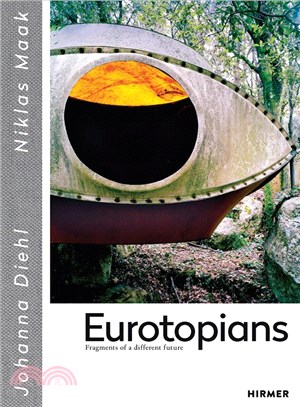
How do we want to inhabit the spaces we live in? How can we build homes that match our ideals and meet the demands of a changing world? Where can we find ideas for the houses and cities of the future?
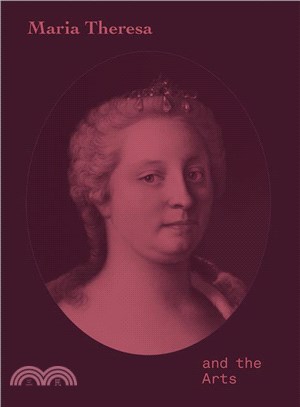
Empress Maria Theresa pursued a singular approach when it came to cultural policy. She sought reform not only in education, but also in the field of art, and commissioned a wealth of works from painte
People who know something about art also know how irritating talking about art can be. In this book, the art connoisseur Wolfgang Felten undertakes to reveal artworks as areas of experience outside of
The 1920s and 30s were a time of incredible creativity and influence for modern Mexican art, as a dynamic cultural exchange between Mexico and the United States―which included artists such as Diego Ri
Gerhard Richter is an exceptional personality―not only because his pictures are world famous, but also because he has demonstrated a new approach to painting. His pictures neither cultivate a modest i
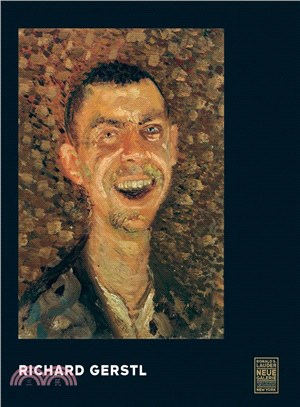
Richard Gerstl (1883–1908) has recently emerged from the shadows of his contemporaries Gustav Klimt, Oskar Kokoschka, and Egon Schiele to be ranked by art historians as one of the leading artists of t
This book celebrates a major private collection of contemporary art built by a husband and wife over the course of the past fifteen years. Focusing in particular on art that engages with the dissoluti
Marcus Jansen was born in New York to a West Indian mother and a German father. As a young man, he moved to Germany, where he received his education, but art eventually drew him back to New York, wher
Contemporary artist Helene B. Grossmann draws on the long tradition of light painting to create works of light and color. This book presents the first comprehensive overview of her work, showing how s
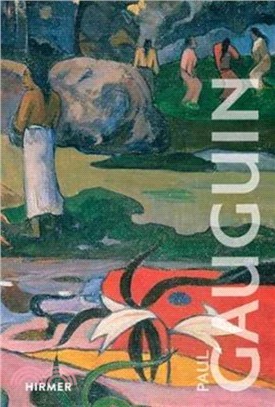
Paul Gauguins story is nearly as dramatic and seductive as his art. In 1883, he walked away from a successful career in banking in order to paint every day. In 1891, he went a step further, leaving hi
Five hundred years after Martin Luther nailed his 95 Theses to the door of Wittenberg Castle Church, this book offers readers a chance to explore his work, his journey of faith and questioning, and hi
Painter, graphic artist, typographer, photographer, and sculptor, Werner Graeff (1901–78) was a key figure in the Bauhaus and the Constructivism movements. Alongside reproductions of his major w
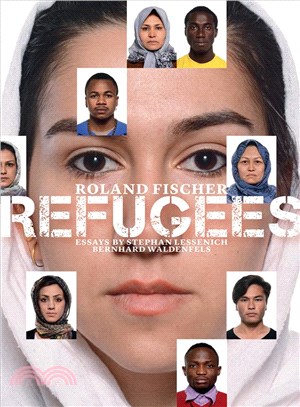
Few current political issues are as powerful or as emotionally charged as the question of refugees and their rights and status. That issue, and the varied ways that people and politicians have respond
Ernst Ludwig Kirchner (1880–1938) was one of the most prolific and creative members of the German expressionist movement. His move from Dresden to Berlin in 1911 marked a turning point in his career a
The twins Gert and Uwe Tobias are among the most famous German artists in the field of printed graphics, and to this day their inimitable signature remains as radical as ever. Their large-format woodc
The painter Hans Hofmann (1880–1966), who was a friend of Picasso, Braque, Matisse, the Fauves, and Robert and Sonia Delaunay, lived in Paris during the early twentieth century and was heavily inspire
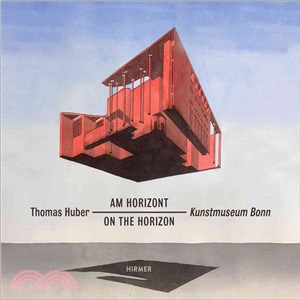
Thomas Huber: On the Horizon presents a collection of meticulously composed, surreal architectural scenarios by the Swiss-born, Berlin-based painter that circle around an oft-considered question in co
The Kunstmuseum Bern is home to one of the most important art collections in Switzerland, with more than three thousand paintings and sculptures and some forty-eight thousand additional works on paper
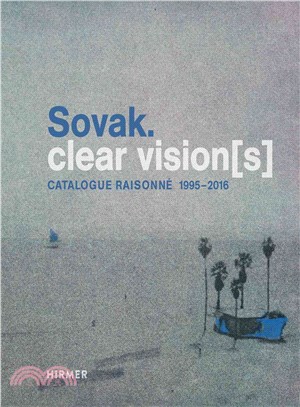
Pravoslav Sovak is a renowned graphic artist, his inimitable technical skill matched by a keen eye for critiquing both self and society. Over the years, he has turned his hand to a wide variety of sub
The main subject in the creative work of the sculptor Mario Dilitz (b. 1973) from Tyrol is to give expression to the human form, to convey and translate the language it speaks. In doing so he combines
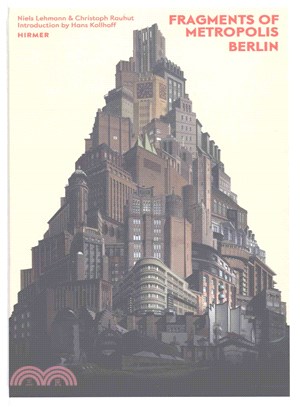
This stunning volume presents the result of a major undertaking by photographer Niels Lehmann and researcher Christoph Rauhut: to document all the remaining Expressionist buildings in Berlin. Expressi
El Siglo de Oro―the Spanish Golden Age that took place during the sixteenth and seventeenth centuries―is one of the most intriguing chapters in the history of Western culture: while the country’s art
Expressionism powerfully heralded the onset of the twenties. Today, the buildings that remain demonstrate great creativity with form and skillful use of light, color, and material, highlighting vertic
In the mid-nineteenth century, the Mayan people of Mexico’s Yucatan peninsula began a series of revolts against the Hispanic population in political and economic control, and, although the Maya finall
The work of the prize-winning Peruvian-American light artist Grimanesa Amorós is characterized by organic forms and an instinctive, poetic approach. However, the inspirations for her fascinating sculp
Albrecht Gehse has an unmistakable style rooted in illusionistic representationalism. Drawing widely on past and present real-world events, his paintings depict a broad range of subjects, from bustlin
Boxing is a de facto national sport of Cuba, rivaling baseball as the country’s best-loved pastime and with an equally rich history. In the backyards and beaten alleyways of Havana, boys emulate homet
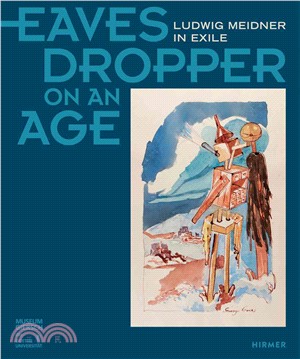
Ludwig Meidner (1884–1966) was an important, but little known, figure in the German expressionist movement. His early Apocalyptic Landscapes are today seen as some of the purest examples of expression
Gabriela von Habsburg has created a diverse body of sculptural works, which can be seen throughout Europe and the United States, including a 1990 sculpture at the National Academy of Science in Washin
Cities, like people, possess character. From the shared experiences of the people who live in a city emerges a collective portrait, yet the portrait remains ever-changing, a re?ection of the shifting
The Pinakothek Museums in Bavaria comprises the Alte Pinakothek, the Neue Pinakothek, and the Pinakothek der Moderne that, together, house an extensive collection of art from the old masters to the tw