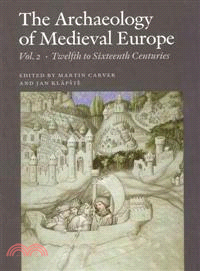
The two volumes of The Archaeology of Medieval Europe together comprise th first complete account of Medieval Archaeology across the continent. This ground-breaking set will enable readers to track th
This two-volume set was conceived as a textbook for archaeology courses focusing on that part of Europe that was, or would become, Latin Christian. Among the topics discussed are the Medieval landscap
This thoughtfully produced study presents analysis of daily life based on archaeological excavation at four sites in Sweden, Skinnerud, Skramle, Saxholmen, and Edsholm. A lengthy introduction presents
Sweden entered the European Christian community around the year 1000. Although mainly a society of oral traditions, Sweden already had a written language. Larsson (Swedish, Stockholm University) trace
Cultivating fields that their colleague Reuter had plowed before dying suddenly, medievalists explore problems in comparative history, Charlemagne and the paradoxes of power, the aetheling Aethelwold
Graham-Campbell (U. College, London) presents a meticulously edited general textbook for beginning undergraduate students in medieval archaeology with thematic topics as opposed chronological or geogr
The overwhelming majority of people living in medieval European societies spent their entire lives on farms and other rural settings, but until recently they did not receive much scholarly attention.
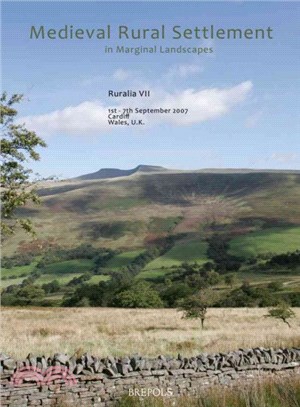
When marginality was chosen as the theme of the conference on medieval rural archeology, the organizers deliberately refrained from defining the concept, and as they had hoped, discussions about it we
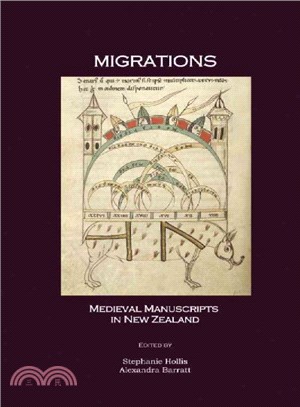
New Zealand is not the first place a medievalist would think of for manuscript study. However as the essays in this volume prove, there are a number of important folios in libraries throughout New Zea
Exile could be as complex as an expression of political or ecclesiastical authority or exclusion from the secular world in holy orders, or as simple as living apart from one's family as the result of
Jenkins (Director of Education for the Diocese of Carlisle) offers this study on the morphology of Catholic settlements in Ireland and how they were influenced by both the Jerusalem Temple and pagan I
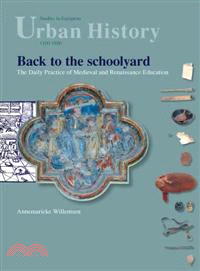
Art historian and archaeologist Willemsen serves as curator of the medieval department at the National Museum of Antiquities at Leiden, the Netherlands. Here she looks at school life from the 14th to
Medieval writers frequently refer to the composition of their own verse and prose works. These authorial interventions are often cryptic and partial, bringing them together, like pieces in a puzzle, r
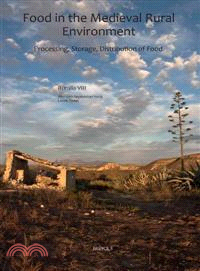
Historians from many countries present 33 papers, a few in French or German, on such topics as watermills in the Balearic Islands during the Muslim period, cereal processing in Scotland 1100-1750, arc
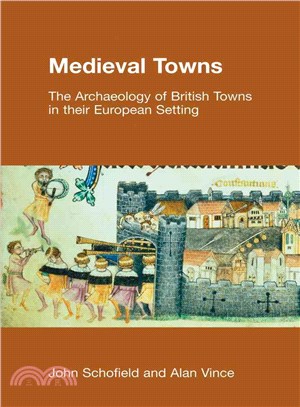
Citing discoveries by archaeological teams over the past three decades in some of the towns of medieval Britain, Schofield, curator of archaeology at the Museum of London, and archaeological consultan
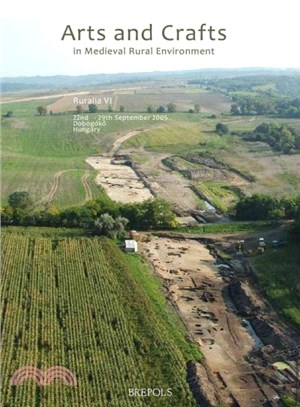
The 33 papers of this proceedings were first presented in September 2005 at the sixth Ruralia conference, held in Dobogoko, Hungary. The papers concern specific archaeological and other studies of med
In the high Middle Ages a particular form of patron/client relationship developed between lay lords and peasants in the kingdom of Castille, called the behetria. This differed in many ways from other