Hesiod describes himself as a Boeotian shepherd who heard the Muses call upon him to sing about the gods. His exact dates are unknown, but he has often been considered a younger contemporary of Homer.
The bite and wit of two of antiquity's best satirists are captured here in a new Loeb Classical Library edition, a vivid and vigorous translation facing the Latin text.Persius (34-62 CE) and Juvenal (
Towards the end of the fifth century B.C. Aristophanes and the other writers of comedy used contemporary poets and musicians as targets for their jokes, making fun of their innovations in language an
A professing pagan in an aggressively Christian empire, a friend of the emperor Julian and acquaintance of St. Basil, a potent spokesman for private and political causesLibanius can tell us muc
A professing pagan in an aggressively Christian empire, a friend of the emperor Julian and acquaintance of St. Basil, a potent spokesman for private and political causesLibanius can tell us muc
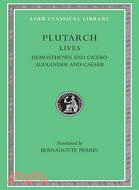
Plutarch (Plutarchus), ca. 45120 CE, was born at Chaeronea in Boeotia in central Greece, studied philosophy at Athens, and, after coming to Rome as a teacher in philosophy, was given consular r
Plutarch (Plutarchus), ca. 45120 CE, was born at Chaeronea in Boeotia in central Greece, studied philosophy at Athens, and, after coming to Rome as a teacher in philosophy, was given consular r
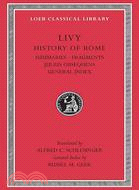
Livy (Titus Livius), the great Roman historian, was born at or near Patavium (Padua) in 64 or 59 BCE; he may have lived mostly in Rome but died at Patavium, in 12 or 17 CE.Livy's only extant work is
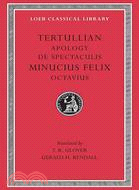
The African Q. Septimus Florens Tertullianus (ca. 150222 CE), the great Christian writer, was born a soldier's son at Carthage, educated in Greek and Roman literature, philosophy, and medicine,
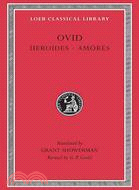
Ovid (Publius Ovidius Naso, 43 BCE17 CE), born at Sulmo, studied rhetoric and law at Rome. Later he did considerable public service there, and otherwise devoted himself to poetry and to society
Callimachus of Cyrene, born ca. 310 BCE, after studying philosophy at Athens, became a teacher of grammar and poetry at Alexandria. Ptolemy II Philadelphus of Egypt (reigned 285247) made him wh
Plutarch (Plutarchus), ca. 45120 CE, was born at Chaeronea in Boeotia in central Greece, studied philosophy at Athens, and, after coming to Rome as a teacher in philosophy, was given consular r
Sidonius Apollinaris, a Gallo-Roman, was born at Lugdunum (Lyon) about 430 CE. He married Papianilla, daughter of the Emperor Avitus in whose honour he recited at Rome on 1 January 456 a panegyric in
Herodotus the great Greek historian was born about 484 BCE, at Halicarnassus in Caria, Asia Minor, when it was subject to the Persians. He travelled widely in most of Asia Minor, Egypt (as far as Ass
Plutarch (Plutarchus), ca. 45120 CE, was born at Chaeronea in Boeotia in central Greece, studied philosophy at Athens, and, after coming to Rome as a teacher in philosophy, was given consular r
Plutarch (Plutarchus), ca. 45120 CE, was born at Chaeronea in Boeotia in central Greece, studied philosophy at Athens, and, after coming to Rome as a teacher in philosophy, was given consular r
Plutarch (Plutarchus), ca. 45120 CE, was born at Chaeronea in Boeotia in central Greece, studied philosophy at Athens, and, after coming to Rome as a teacher in philosophy, was given consular r
One of the best known examples of the hagiographic novel, this is the tale of an Indian prince who becomes aware of the world's miseries and is converted to Christianity by the monk Barlaam. Barlaam
Volume VI of the nine-volume Loeb edition of Early Greek Philosophy includes the later Ionian and Athenian thinkers Anaxagoras, Archelaus, and Diogenes of Apollonia, along with chapters on early Greek
The fragments and testimonia of the early Greek philosophers (often labeled the Presocratics) have always been not only a fundamental source for understanding archaic Greek culture and ancient philoso
Valerius Maximus compiled his handbook of notable deeds and sayings during the reign of Tiberius (14-37 CE). The collection was very popular in the Renaissance and has recently attracted renewed schol
Bacchylides, nephew of Simonides and rival of Pindar, wrote choral poetry of many types. We have a number of his victory odespoems celebrating victories in athletic contestsas well as dit
The most important poets writing in Greek in the sixth century BCE came from Sicily and southern Italy. Stesichorus was called by ancient writers "most Homeric"a recognition of his epic themes
Aristotle, great Greek philosopher, researcher, reasoner, and writer, born at Stagirus in 384 BCE, was the son of Nicomachus, a physician, and Phaestis. He studied under Plato at Athens and taught th
Demosthenes (384322 BCE), orator at Athens, was a pleader in law courts who later became also a statesman, champion of the past greatness of his city and the present resistance of Greece to the
Ovid (Publius Ovidius Naso, 43 BCE17 CE), born at Sulmo, studied rhetoric and law at Rome. Later he did considerable public service there, and otherwise devoted himself to poetry and to society
The Letters of Alciphron (second century CE) constitute one of the most attractive products of the Second Sophistic. They are fictitious compositions based on an astonishingly wide variety of circums
Pausanias, born probably in Lydia in Asia Minor, was a Greek of the 2nd century CE, about 120180, who travelled widely not only in Asia Minor, Palestine, Egypt and North Africa, but also in Gre
Pausanias, born probably in Lydia in Asia Minor, was a Greek of the 2nd century CE, about 120180, who travelled widely not only in Asia Minor, Palestine, Egypt and North Africa, but also in Gre
This is the first in a two-volume edition of Greek orators.Antiphon of Athens, born in 480 BCE, spent his prime in the great period of Athens but, disliking democracy, was himself an ardent oligarch
Epictetus was a crippled Greek slave of Phrygia during Nero's reign (5468 CE) who heard lectures by the Stoic Musonius before he was freed. Expelled with other philosophers by the emperor Domit
Plutarch (Plutarchus), ca. 45120 CE, was born at Chaeronea in Boeotia in central Greece, studied philosophy at Athens, and, after coming to Rome as a teacher in philosophy, was given consular r
Horace (Quintus Horatius Flaccus, 658 BCE) was born at Venusia, son of a freedman clerk who had him well educated at Rome and Athens. Horace supported the ill-fated killers of Caesar, lost his
Frontinus, Sextus Iulius, ca. 35103 CE, was a capable Roman civil officer and military commander. Praetor of the city in 70 and consul in 73 or 74, 98 and 100, he was, about the year 76, sent t
Epictetus was a crippled Greek slave of Phrygia during Nero's reign (5468 CE) who heard lectures by the Stoic Musonius before he was freed. Expelled with other philosophers by the emperor Domit
Thucydides of Athens, one of the greatest of historians, was born about 471 BCE. He saw the rise of Athens to greatness under the inspired leadership of Pericles. In 430, the second year of the Pelop
Thucydides of Athens, one of the greatest of historians, was born about 471 BCE. He saw the rise of Athens to greatness under the inspired leadership of Pericles. In 430, the second year of the Pelop
Thucydides of Athens, one of the greatest of historians, was born about 471 BCE. He saw the rise of Athens to greatness under the inspired leadership of Pericles. In 430, the second year of the Pelop
Pausanias, born probably in Lydia in Asia Minor, was a Greek of the 2nd century CE, about 120180, who travelled widely not only in Asia Minor, Palestine, Egypt and North Africa, but also in Gre
Procopius, born at Caesarea in Palestine late in the 5th century, became a lawyer. In 527 CE he was made legal adviser and secretary of Belisarius, commander against the Persians, and went with Belis