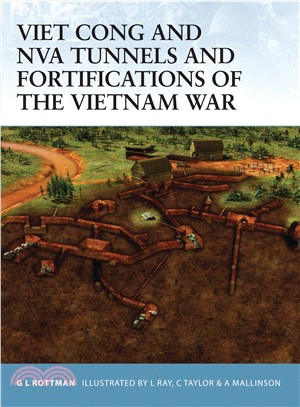
Field fortifications and tunnel systems are typically thought of as defensive and active protective measures, but the VC/NVA also employed them offensively. It was common for extensive field works to
British battlecruisers were not a "failed design" as is so often claimed, but a very successful and revolutionary one that was critical to, and instrumental in, Britain winning the naval war of 1914-1
Osprey's examination of Finland's involvement in World War II (1939-1945). Finland's fight to defend her independence earned this tiny nation of just 3 million people a distinct place in history. Inva
The eight-wheeled (8x8) Stryker combat light armored vehicle was adopted by the US Army in 2002 to provide a comparatively rapidly deployable contingency force with armor protection, tactical mobility
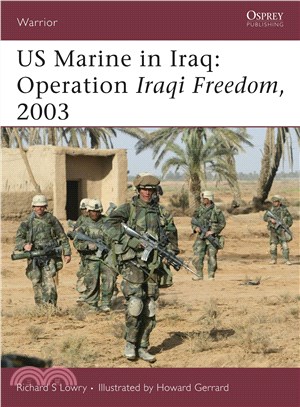
Operation Iraqi Freedom officially began on March 20, 2003 and has become one of the most controversial conflicts of modern warfare. Thousands of US Marines were deployed into Iraq in order to topple
The world of the samurai - the legendary elite warrior cult of old Japan - has for too long been associated solely with military history and has remained a mystery to the general reader. In this exci
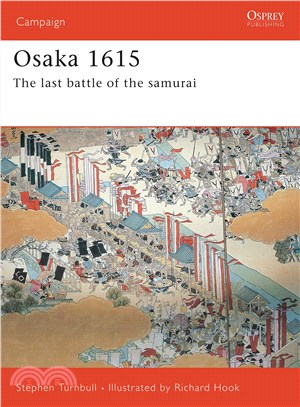
Osprey's exploration of the complex background of the Siege of Osaka (1614-1615), as well as of the battle experiences of the opposing forces, in a compelling exploration of the conflict that led to t
This book discusses the concept of the Battlekreuzer. The German Groserkreuzers, as they were known, were built to strict financial limits, and therefore the German designs were always a compromise be
Osprey's study of the knight during the Tudor period (1485-1603). The Tudor knight was the first line of defence employed by monarchs from Henry VIII to Elizabeth I, the last of a long tradition of kn
The Challenger 2 is the current Main Battle Tank of the British Army and represents the culmination of 80 years of tank design. In 1987, its design was presented to the Ministry of Defence in response
Leyte Gulf was a key victory for the United States during World War II (1939-1945): its scale dwarfed previous sea conflicts and its result created an opportunity for the US forces to invade the Phili
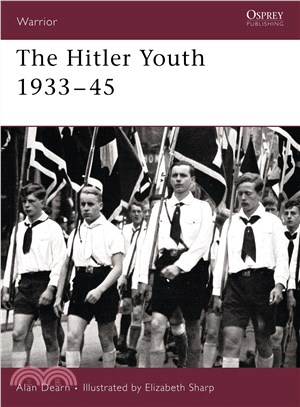
The Hitler Youth was not in itself a military formation, but a movement that sought to inculcate Nazi ideology upon German youth. Nevertheless, paramilitary training formed an important part of this e
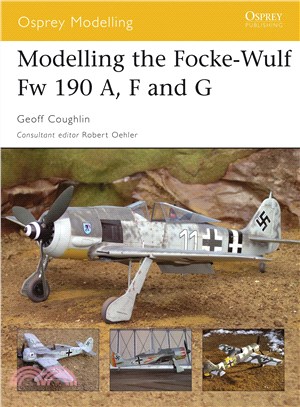
The Focke-Wulf Fw 190 is regarded as one of the best fighters of World War II. Designed by Kurt Tank, it first saw combat in the summer of 1941 and went on to be produced in several variants. It remai
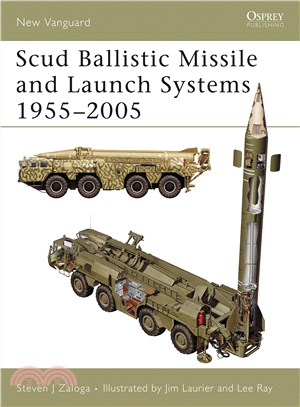
The Scud missile was developed as the centerpiece of Soviet plans to fight nuclear war in the heart of Europe. However, it was never used in its intended role and has instead become a symbol of the ch
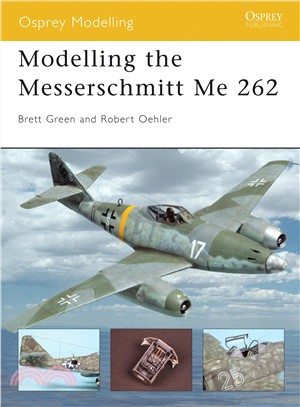
Developed from a 1938 design by Messerschmitt the Me 262 Schwalbe (Swallow) was the world's first operational turbojet aircraft. First seeing combat in July 1944, it proved to be particularly effectiv
Some 84 of the 250 Hornets committed by Central Command to Operation Iraqi Freedom (2003-present) proudly bore MARINE titling on their rear fuselages. A further 14 were marked with the distinctive kan
Osprey's study of air battle tactics of World War II (1939-1945). The delivery of entire divisions to battlefields behind enemy lines by parachute and glider played a significant part in the European
The development of the city-state in the Classical period of Greek history ensured a shift in the nature of fortifications in the region. No longer were fortresses designed to defend a ruler and his e
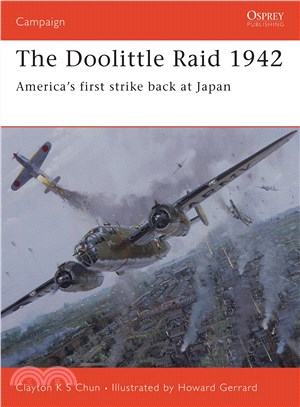
Osprey's study of the United States' first offensive response to the Pearl Harbor attacks of World War II (1939-1945). In early 1942, the strategic situation was bleak for the United States. She had b
Naval warfare in the Pacific changed completely with the Japanese attack on Pearl Harbor in 1941. The strategic emphasis shifted from battleships to much more lethal, far-ranging weapons systems; one
It is generally assumed that the military reforms which propelled Russia into the modern world were due solely to the genius of Peter the Great. In fact, his reforms were built upon changes that had t
Chariots, the first mobile fighting vehicle, seem to have originated in Mesopotamia in the third millennium BC. The highly mobile two-wheeled war chariot, carrying a driver and an archer armed with a
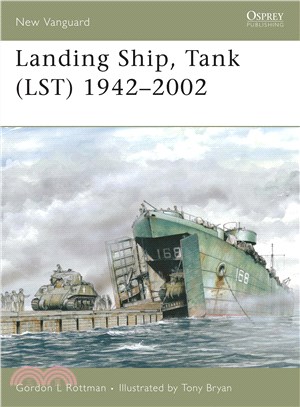
The Landing Ship Tank (LST) is one of the most famous of the many World War II amphibious warfare ships. Capable of discharging its cargo directly on to shore and extracting itself, the LST provided
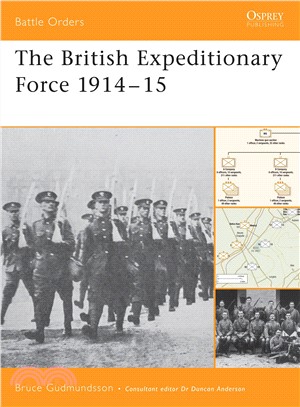
Over 200 divisions fought on the Western Front during the first year of World War I and those best suited to the challenges of trench warfare were the six infantry divisions of the original British Ex
The Panzerkampfwagen IV has often been referred to as the 'workhorse' of the German Army in World War II. This important weapon went through several upgrades and improvements and was the only German t
German defenses along the Normandy beaches were part of the larger Atlantic Wall fortifications designed to defend Fortress Europe. When Field Marshal Erwin Rommel took command of the invasion front i
The second installment examining the US Navy Hornet Units' participation in Operation Iraqi Freedom (2003-present). These units were the first Navy Reserve unit to be mobilized since the Korean War, a
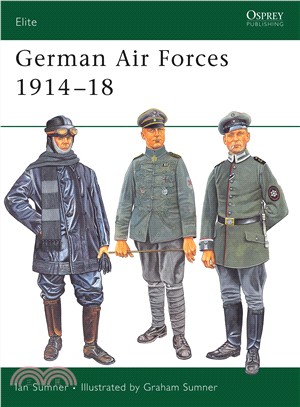
Osprey's examination of German air forces of World War I (1914-1918). The Imperial German Army Air Service of World War I grew from just 500 men in 1914 to 80,000 in 1918, inventing in the process a w
This book explores the main patterns of Waffen-SS camouflage and dress and describes how to achieve these finishes in clear, step-by-step instructions. Advanced figure sculpting techniques, including
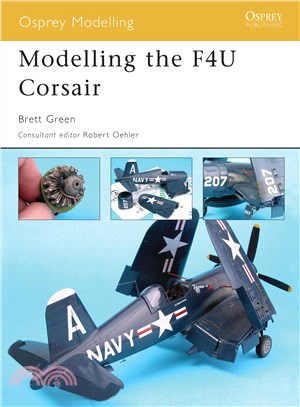
The F4U Corsair's combat career was longer than that of almost any other World War II fighter aircraft. Its success led to its service around the globe, and it was employed by the US Navy, British Fle
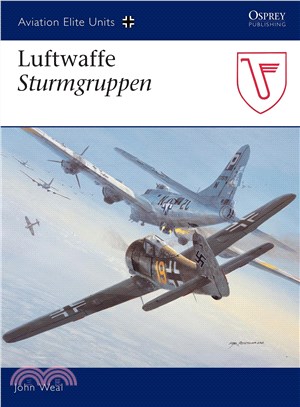
The 'storm troopers' of the Luftwaffe, the elite Strumgruppen units comprised the most heavily armed and armoured fighter interceptors ever produced by the Germans. Their role was to smash like a migh
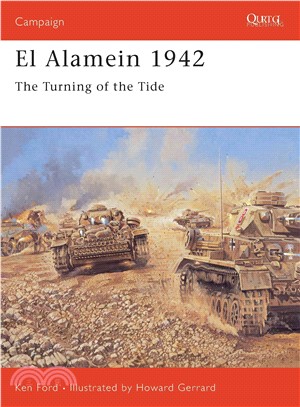
The battle of El Alamein marked the turning point in Britain's fortunes in the World War II (1939-1945). There were three separate battles between July and November 1942, all of which were fought to h
The Churchill saw much action in World War II, from the 1942 raid on Dieppe, through the heat of the battles in North Africa, to the bitter fighting in Normandy 1944 and into the Reich in 1945. Despit
Osprey's study of Mycenaean warriors, from 1650 to 1100 BC. The timeless appeal of Homer's epic poem of the ancient Trojan War, The Iliad, has meant an eduring interest in the Mycenaean age. Modern sc
On 11 January 1879 the British Empire went to war with the independent kingdom of Zululand. The British anticipated a swift and decisive victory, placing great faith in modern firepower; no plans were
First entering service in 1941 the legendary 'all-wooden' Mosquito was one of the best twin-engined aircraft of its size to see action in World War II. The addition of radar turned the Mosquito into t
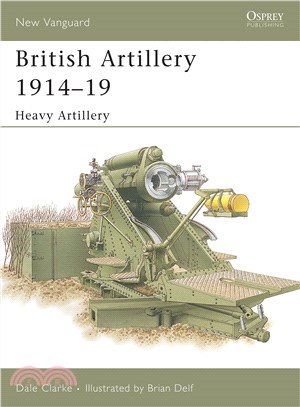
World War I is often deemed to have been ‘a war of artillery’, and British heavy artillery played a vital part in destroying the German trenches and providing invaluable cover for advancing troops on
After the United States' failures in special operations missions during the late 1970s and 1980, a decision was made to revamp its unconventional military capabilities. The subsequent reorganization a
This book examines in detail the Japanese Infantryman who was, despite comparisons with the notorious German Waffen SS of World War II (1939-1945), an enigma to Westerners. Brutal in its treatment of
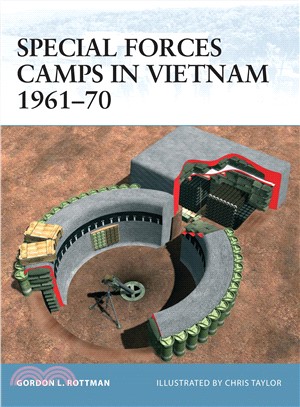
In 1961 US Special Forces units began entering remote areas of Vietnam dominated by the Viet Cong. Their task was to organize local defense and strike forces aimed at stopping the enemy from gaining f